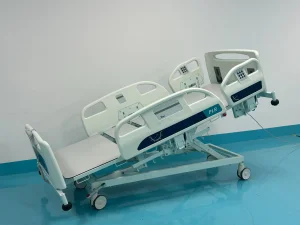
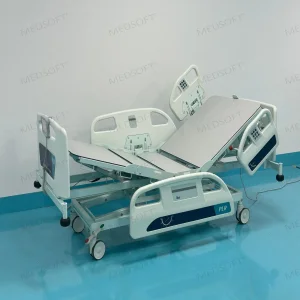
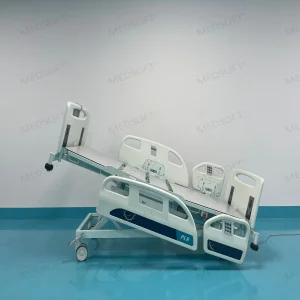
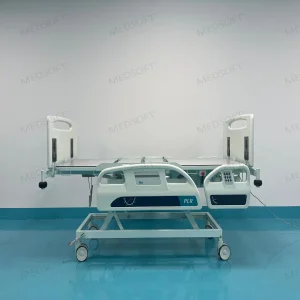
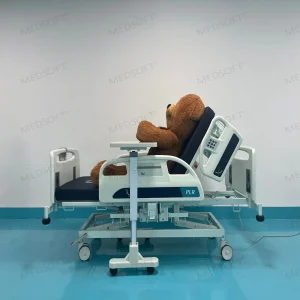
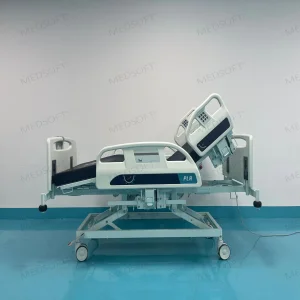
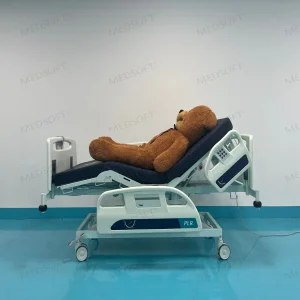
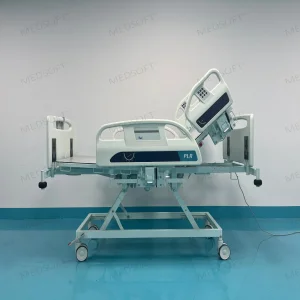
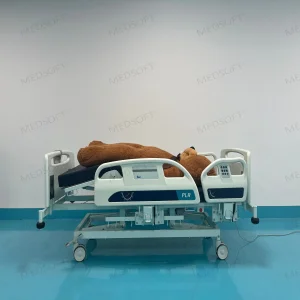
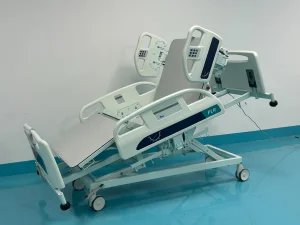
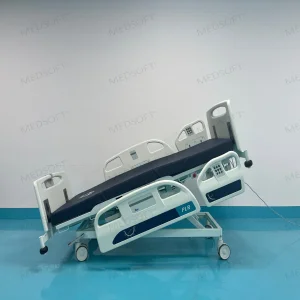
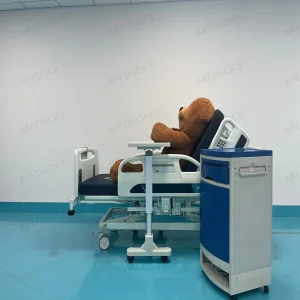
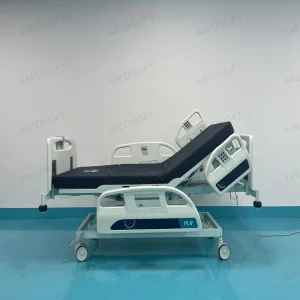
Engineered to meet European metrological directives, our initial flagship systems offer continuous patient weight tracking for Intensive Care Units (ICUs) and general clinical environments in the Campania region.
The healthcare landscape of Southern Italy, particularly centered around the metropolitan area of Naples (Napoli) and the wider Campania region, is undergoing a profound digital transformation. Driven by national funding frameworks like the Piano Nazionale di Ripresa e Resilienza (PNRR), public hospital trusts (Aziende Ospedaliere) and private clinical groups are aggressively upgrading their critical care infrastructure. Key institutions such as the Ospedale Cardarelli—the largest medical center in Southern Italy—the Azienda Ospedaliera Universitaria Federico II, and the specialized infectious disease hub Ospedale Cotugno (AORN dei Colli) are prioritizing precision diagnostics directly at the patient's bedside.
Within these acute clinical settings, the integration of a bed with an integrated weighing system is no longer viewed as a luxury accessory, but as an essential therapeutic and diagnostic tool. Continuous patient weight monitoring plays a critical role in treating cardiovascular diseases, advanced renal failure, metabolic imbalances, and respiratory complications. By embedding precise load cell technology directly into the structural frame of hospital beds, clinical teams in Naples can monitor fluid fluctuations in real-time, eliminating the need to physically transfer critically ill patients onto mechanical scales, thereby significantly mitigating patient distress and caregiver injury risk.
For medical devices operating within the European Union, metrological accuracy is strictly governed by harmonized standards. Our manufacturing lines integrate state-of-the-art OIML Class III certified load cells directly into the bed chassis. This ensures that weight fluctuations are recorded with a clinical resolution of up to 50 grams. This precision is vital for the delivery of pediatric dosages, continuous renal replacement therapies (CRRT), and acute cardiac care where minor volume overloads can result in pulmonary edema or cardiogenic shock.
Hangzhou Dgem Medical Co., Ltd. configures all products exported to the Italian market to align with the local metrological verification systems enforced by the local chambers of commerce (Camera di Commercio di Napoli) to ensure immediate calibration readiness upon clinical deployment.
On a global scale, the medical equipment sector is transitioning from mechanical structural design to intelligent, connected patient hubs. Modern hospital beds now act as the primary node of the patient's immediate ecosystem. According to recent clinical informatics research, integrated weighing systems are the fastest-growing segment in the global smart medical furniture market. The primary drivers include:
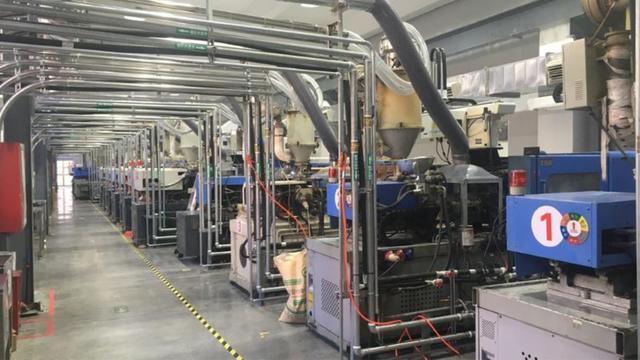
As a leading exporter, Hangzhou Dgem Medical Co., Ltd. builds clinical beds that conform to these demanding global requirements. Our factory utilizes robotic welding systems, advanced electrical safety testing, and automated load cell calibration setups to ensure that every unit delivered to the Naples market delivers long-term reliable performance.
Our company specializes in engineering high-end medical bed solutions, serving global healthcare systems. With structural frames crafted from high-tensile carbon steel, protected by antibacterial powder coating, our beds are highly resistant to aggressive clinical disinfectants used in Italian hospitals.
We provide full-spectrum OEM and ODM services, allowing Naples procurement departments to customize control interfaces in Italian, choose specific caster configurations (centralized master brake systems), and integrate custom IT protocols for wireless transmission of weight data directly to local hospital networks.
Explore Factory CapabilitiesIn critical care medicine, fluid resuscitation is a double-edged sword. Inadequate fluid volume results in tissue hypoperfusion, while excessive fluid administration contributes to tissue edema, multiorgan dysfunction, and prolonged mechanical ventilation. To guide fluid therapy accurately, intensive care physicians at clinical sites like Federico II rely on dynamic indices of fluid responsiveness.
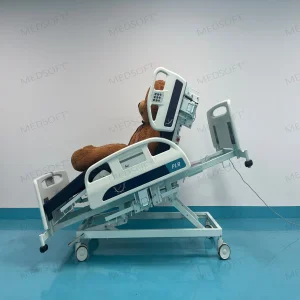
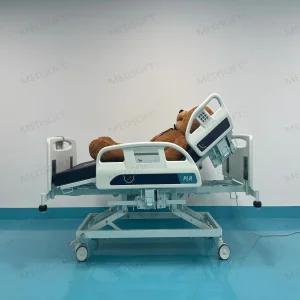
Our specialized range, including the iBed PLR 3 Pro series, integrates designated mechanical functions for the Passive Leg Raising (PLR) test. The PLR test is a reversible "auto-transfusion" technique that shifts venous blood from the lower limbs to the intrathoracic compartment. By combining precise angular adjustments with real-time hemodynamic and weight monitoring, clinical staff can evaluate cardiac output variations directly on the bed's integrated LCD controller. The automated scale filters out patient movement artifacts, allowing nurses to acquire stable weight readings even when the patient is shivering or breathing with mechanical support.
From an industrial design standpoint, embedding weighing systems into mobile beds presents structural challenges. Standard load cells can be easily damaged during transit, wall impacts, or rapid patient repositioning. To address this, Dgem Medical uses a proprietary 4-point corner load cell suspension system. The load cells are protected inside structural pockets within the undercarriage, preventing lateral shear stresses from impacting scale accuracy.
Additionally, the integrated system features an advanced Tare function. This allows clinicians to add or remove medical accessories (e.g., patient monitors, blankets, IV poles) from the bed without affecting the baseline weight value of the patient, ensuring continuous integrity of fluid balance metrics.
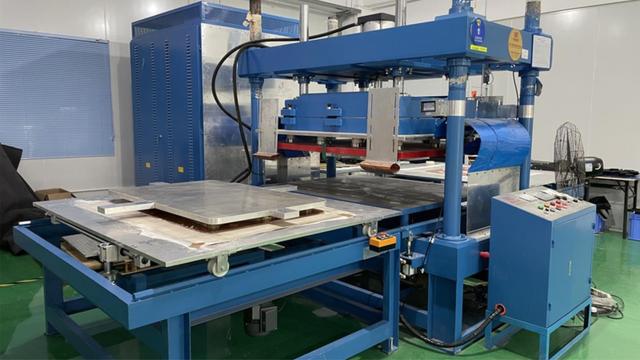
Take a closer look at our advanced manufacturing protocols, designed to guarantee safety, stability, and metrological reliability for Southern European medical institutions.
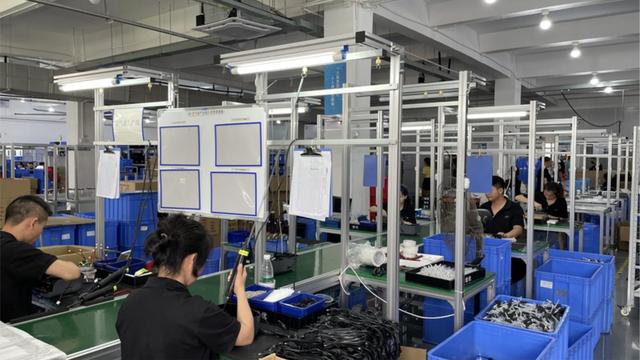
Structural Fatigue Testing
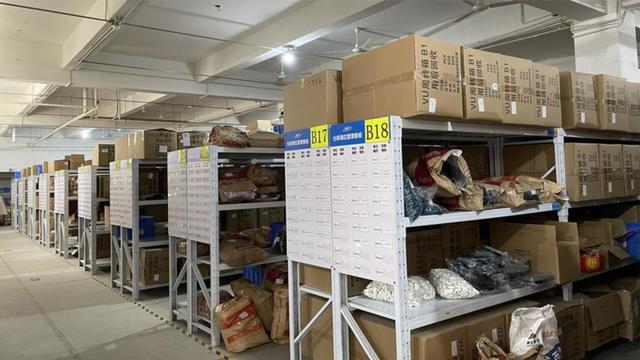
Load Cell Metrology Lab
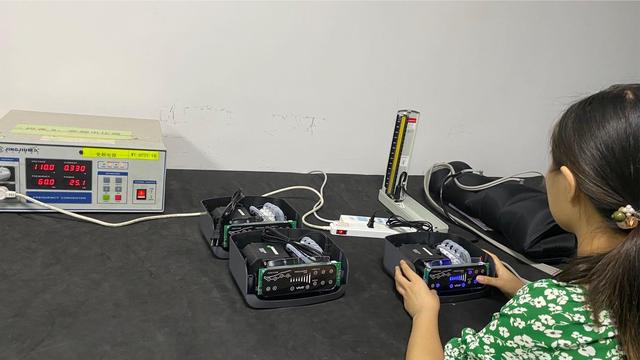
Final Testing & Verification
Explore our complete product portfolio designed for deep integration into critical care, rehabilitation, and pulmonary units throughout the Naples metropolitan area.
Procuring medical furniture for the Campania region's health system requires strict adherence to European quality frameworks. All weighing systems exported to Italy must be designed in accordance with the Non-Automatic Weighing Instruments (NAWI) Directive 2014/31/EU. Under this directive, scale systems used in hospital wards for diagnostic determinations, monitoring, and medical treatments must undergo rigorous initial verification. Our manufacturing plant works alongside European notified bodies to facilitate EC verification (Module D/F) before shipment, ensuring local compliance right out of the box.
Our calibration facility is equipped with automated temperature cabinets and high-precision reference weights traceable to national metrology institutes. We simulate environmental stress levels (from -10°C to +40°C) to ensure that the integrated strain-gauge load cells perform consistently under varying temperature and humidity conditions, which is particularly relevant in coastal Mediterranean locations like Naples.
Additionally, our local distributors in Italy provide regular maintenance, recalibration, and verification services in compliance with D.M. 93/2017 rules, helping local healthcare operators ensure continued clinical accuracy over the entire operational lifespan of the beds.
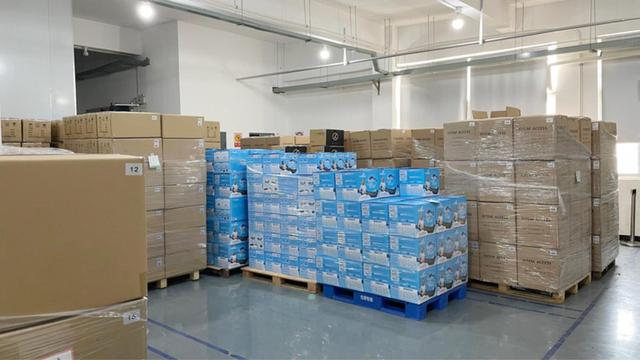
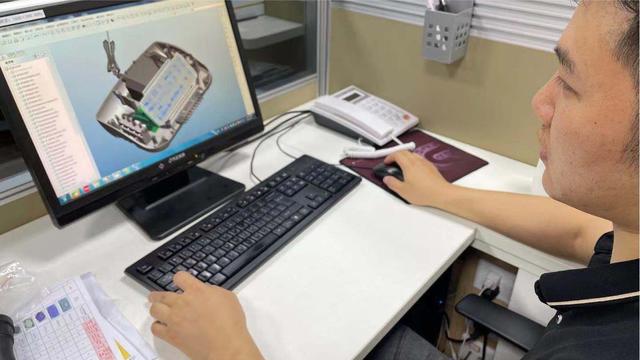
At Dgem Medical, the structural frame of each bed is constructed using high-precision CNC tube-bending machinery and automated robotic welding arms. This high degree of manufacturing automation guarantees structural uniformity, preventing mechanical misalignment that could skew load cell sensor readings.
Our chassis are engineered to isolate load measurement points from environmental influences, such as dynamic movement, accessory weight distribution, and wall protection bumpers. By removing these external influences, our systems achieve precise metrological resolution for dependable clinical use.
Get answers to technical, regulatory, and operational questions about deploying smart weighing beds in European healthcare environments.
Integrating the scale directly into the bed chassis enables continuous, non-invasive weight tracking without moving the patient. Hoist scales require lifting and transferring the patient, which introduces clinical risks such as accidental line extraction, ventilator tubing disconnection, and skin shear. An integrated bed scale allows for real-time monitoring of fluid volume changes with zero patient disruption.
Yes. Every bed with an integrated scale shipped to European markets is built with CE-marked load cells and electronics certified under Class III accuracy limits. This makes them fully compliant for clinical diagnostics, prescription dosing calculations, and monitoring under local Italian guidelines.
The interface includes an advanced Tare management system. Clinicians can lock the scale reading, place or remove accessories (blankets, clinical pumps, drainage bags), and then unlock the scale. The system automatically adjusts for the accessory weight, isolating the patient’s net body weight with high accuracy.
Our electronics can be configured with WiFi, Ethernet, or serial output modules supporting HL7 and FHIR communication standards. This allows patient weight data and alarm logs to be transmitted directly into the hospital's central EMR (Electronic Medical Record) system, reducing manual entry requirements.
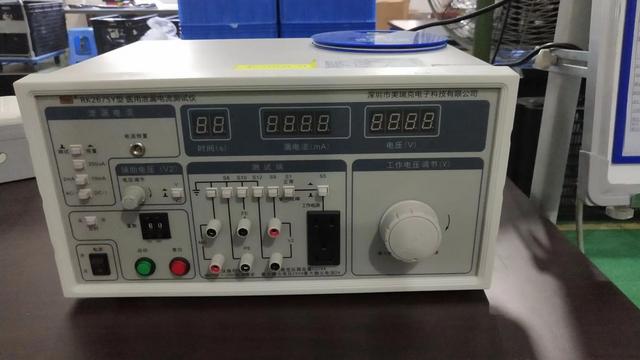
Pre-Shipment Functional Verification
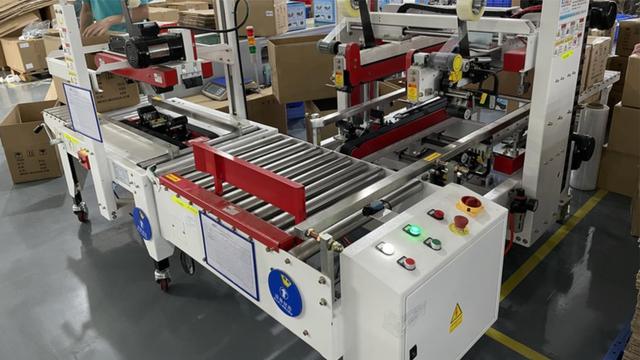
Export Packing & Logistics Prep
LCD Calibration Inspections
 Dgem Medical