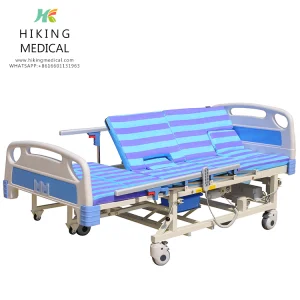
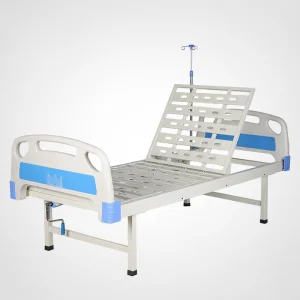
The healthcare sector is undergoing a profound paradigm shift. As medical facilities worldwide face chronic staffing shortages, aging demographic pressures, and increasing patient acuity levels, the integration of healthcare automation solutions has transitioned from an operational luxury to a critical infrastructure requirement. Contemporary smart clinical environments require specialized equipment designed not only for patient safety but also to alleviate the workload of nursing staff through integrated electronic control systems, biometric data capture, and ergonomic automation.
As leading suppliers and exporters of professional hospital beds and automated rehabilitation equipment, our technical emphasis centers on the intersection of mechanics, safety, and cloud connectivity. By deploying advanced actuators, precision hydraulic mechanisms, and Internet-of-Things (IoT) integration interfaces, modern healthcare automation suppliers empower medical institutions to enhance clinical pathways, reduce hospital-acquired conditions like pressure ulcers, and streamline patient repositioning.
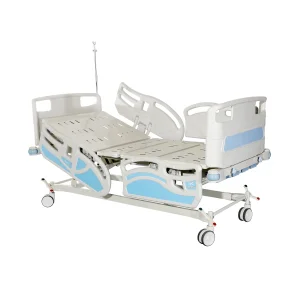
Explore our premium select range of manual, hydraulic, and smart electric-powered medical hospital beds engineered for durability and clinical versatility.
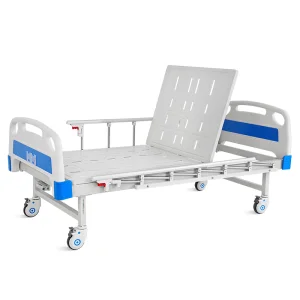
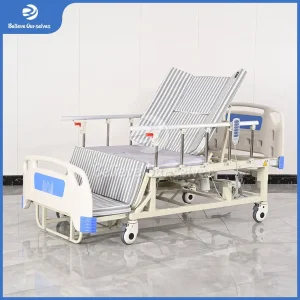
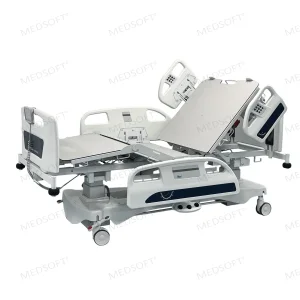
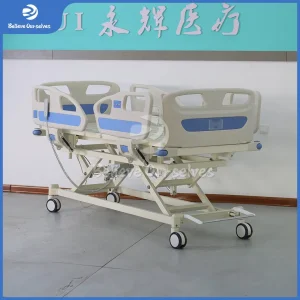
Hangzhou Dgem Medical Co., Ltd. is a professional manufacturer specializing in advanced hospital bed solutions, delivering high-quality electric, manual, and smart patient care systems for global healthcare environments. With a strong focus on innovation, precision engineering, and patient-centered design, the company has established itself as a reliable partner for hospitals, nursing homes, rehabilitation centers, and home care providers.
Dgem Medical offers a comprehensive product portfolio, including electric hospital beds, manual nursing beds, ICU critical care beds, and intelligent smart beds equipped with integrated monitoring and remote control functions. Each product is designed to enhance patient comfort, improve caregiver efficiency, and meet strict international healthcare standards.
Backed by a skilled R&D team and modern manufacturing facilities, Hangzhou Dgem Medical integrates advanced technologies such as IoT connectivity and ergonomic design into its solutions. The company emphasizes durability, safety, and ease of operation, ensuring long-term value for medical institutions.
Committed to quality and global service, Dgem Medical adheres to rigorous quality control systems and provides flexible OEM/ODM services to meet diverse market demands. With a growing international presence, the company continues to support healthcare providers worldwide by delivering reliable, efficient, and innovative patient care equipment.
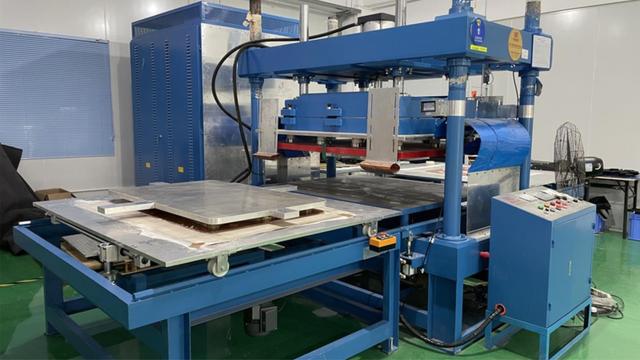
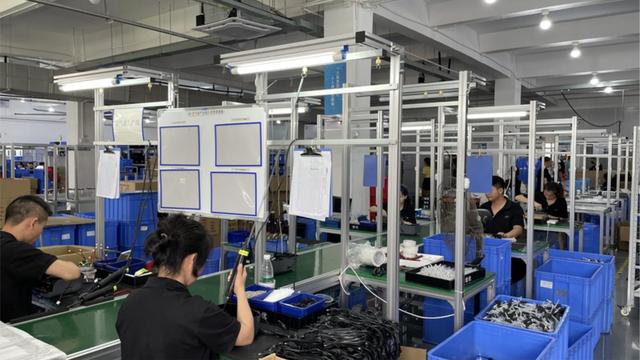
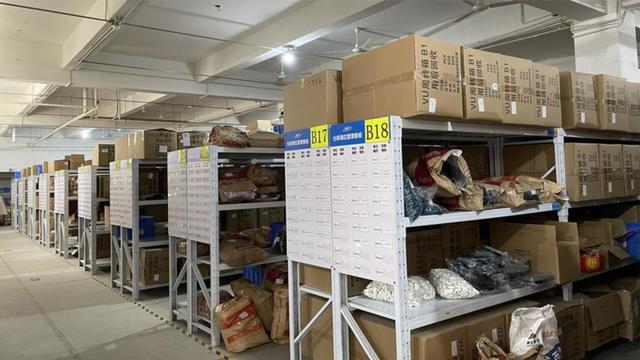
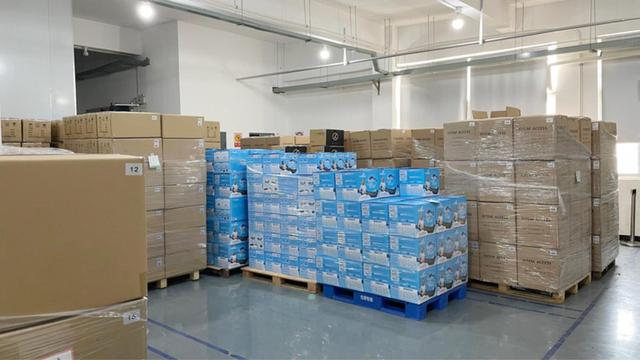
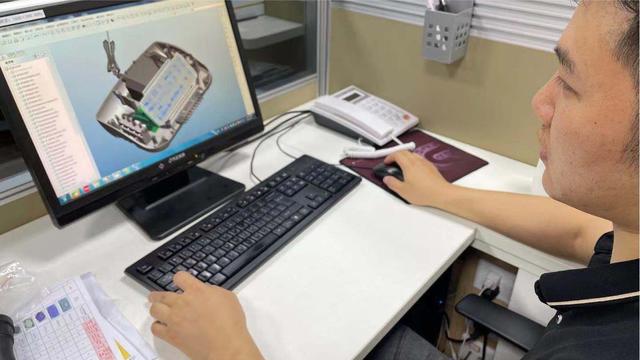
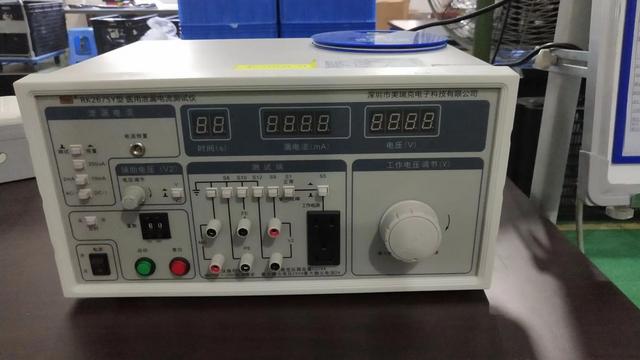
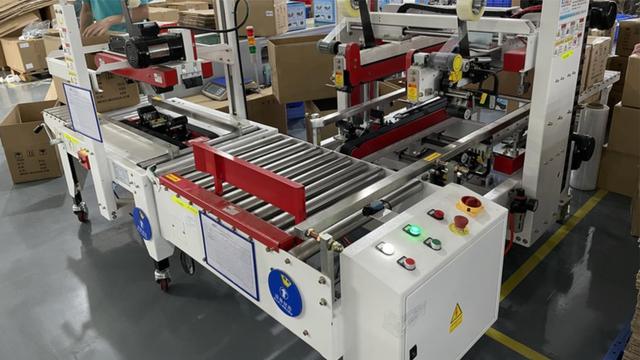
Our commitment to engineering validation and clinical compliance is demonstrated through our state-of-the-art testing laboratories and automated assembly plants:
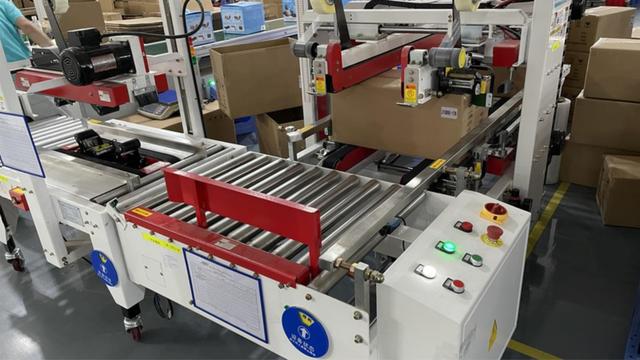
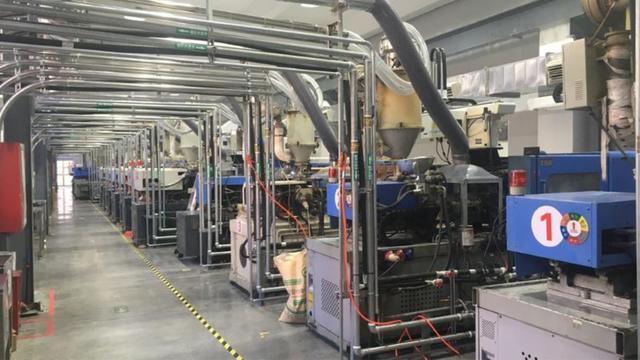
The commercial deployment of automated hospital furniture varies based on geographical regulatory frameworks and local healthcare delivery styles. For instance, in European and North American regions, strict rules concerning nursing injuries require beds with electrical height adjustment and automated lateral tilt. Suppliers exporting to these areas must provide certificates demonstrating compliance with standards like EN 60601-2-52, which outlines the safety parameters for medical beds.
ICUs require instant access to clinical adjustments. Automated beds featuring one-touch Trendelenburg positioning, integrated scale systems, and continuous lateral rotation therapy (CLRT) help prevent pulmonary issues and save time during emergencies.
Using technology like infrared LED light therapy and specialized mechanical traction helps speed up tissue repair. Integrating clinical rehabilitation beds with electric positioning makes it easier for patients to transition from rest to therapy exercises.
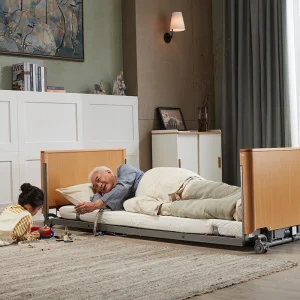
Long-term care facilities use home-style designs equipped with reliable electric mechanisms. Features like auto-contour options and low-height profiles help lower the risk of patient falls while maintaining a warm, non-institutional aesthetic.
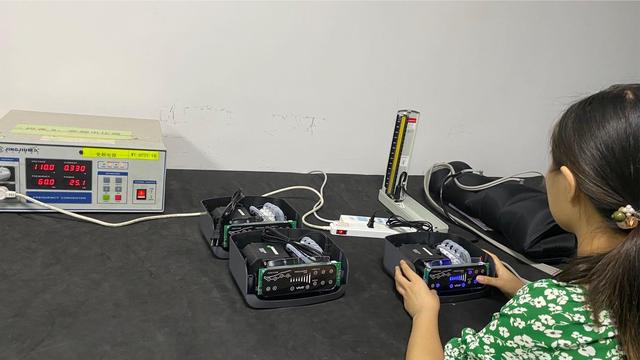
The future of medical furniture lies in full integration with hospital information networks. The industry is moving from simple motorized adjustments to beds with integrated sensors. These sensors monitor real-time vital signs like heart rate, respiration rate, and patient movement patterns without direct contact. This data can be automatically sent to central nursing desks to alert staff of potential safety issues before they escalate.
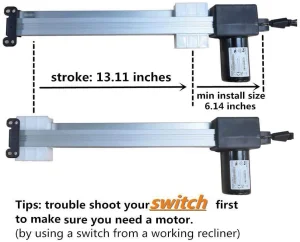
Improving mechanical parts to run quieter and last longer. This includes using low-noise linear actuators and backup battery systems for reliable operation during power outages.
Adding pressure-sensing arrays under mattresses to monitor body alignment. These systems analyze risk levels and automatically adjust alternating air chambers to prevent pressure sores.
Connecting beds directly to hospital EHR systems. This allows patient metrics and bed settings to sync in real time, helping to optimize hospital workflows.
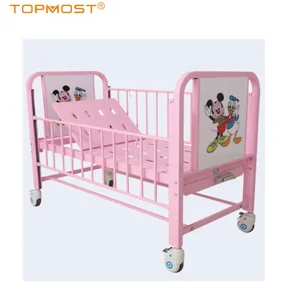
Explore our specialized range of therapeutic mattresses, electric pediatric cribs, and advanced infrared light therapy systems for recovery clinics.
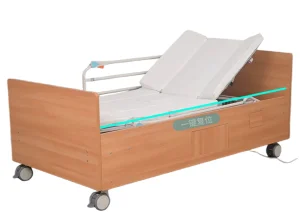

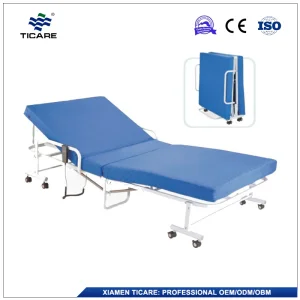
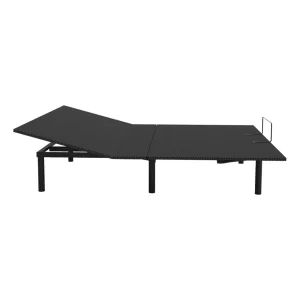
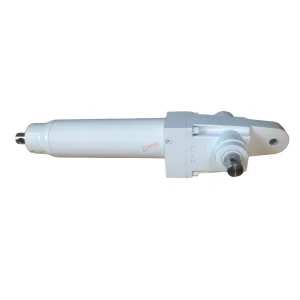
Manufacturing medical-grade patient care beds requires precise engineering control. The structural frame, typically made of high-tensile cold-rolled steel, must undergo rigorous chemical pre-treatment and electrostatic powder coating to ensure resistance to professional disinfectants. Actuators and motors, which power height and contour adjustments, are selected for low noise and long operational lifespans under continuous load.
Here are answers to common questions about selecting, purchasing, and maintaining advanced healthcare automation solutions.
 Dgem Medical