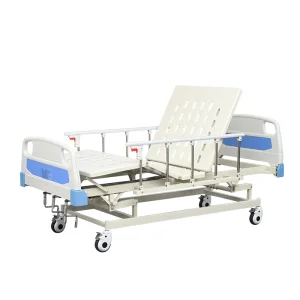
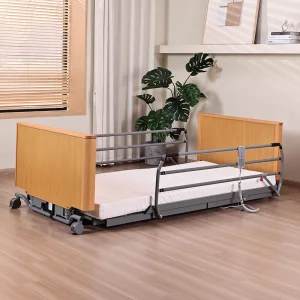
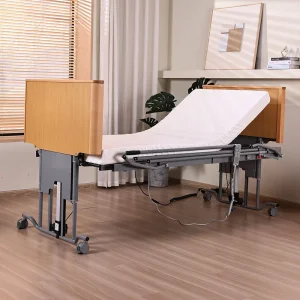
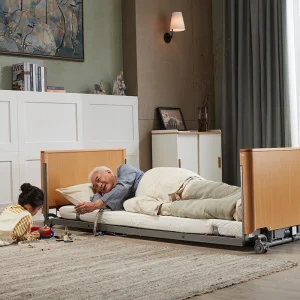
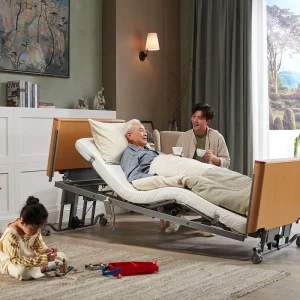
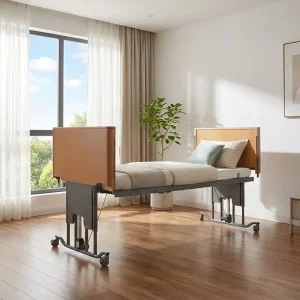
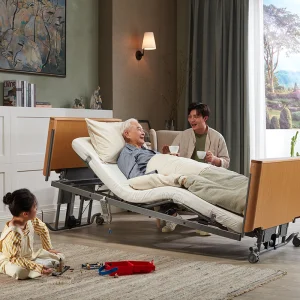
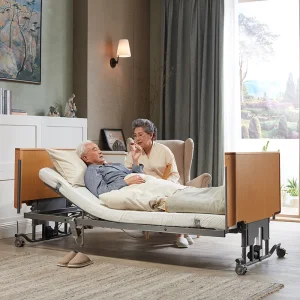
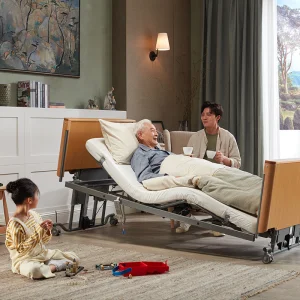
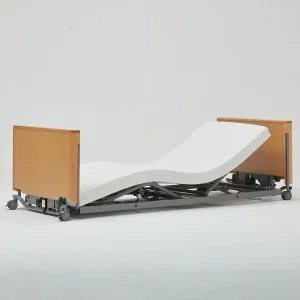
Expertly selected low-height clinical systems designed specifically to eliminate fall risks, optimize safety clearances, and simplify care dynamics in specialized wards.
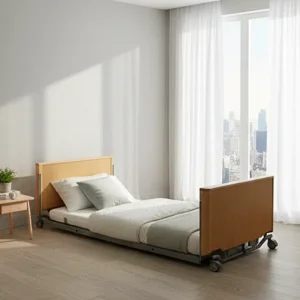
The healthcare framework of the Republic of Maldives is fundamentally distinct. Spanning across 26 geographical atolls with over 1,000 dispersed coral islands, medical provisioning must reconcile remote geographical distributions with the necessity of tertiary-level diagnostic and rehabilitative environments. While central entities like the Indira Gandhi Memorial Hospital (IGMH) in Malé, Hulhumalé Hospital, and the Dharumavantha Hospital represent the nexus of advanced critical care, local healthcare demands are distributed across regional hospitals, atoll health centers, and specialized clinics integrated into luxury tourist resorts.
In the Maldives, secondary and tertiary patient transfers are complex, relying on marine transit via speedboats or dhonis and aerial medical evacuations. This decentralization highlights the critical importance of durable, low-maintenance medical infrastructure. Traditional medical beds, heavy and prone to damage, present significant deployment challenges for island clinics. Thus, modular, knock-down (KD) designed electric adjustable beds are crucial. This allows easy movement through narrow dock pathways and tight clinic entries without compromising structural integrity or mechanical performance.
With an environment defined by high ambient humidity and elevated salt spray, standard medical ward components are highly vulnerable to premature structural degradation. The introduction of salt-laden air into clinic structures accelerates the electrochemical breakdown of standard mild steel frames and inferior motor coatings. Recognizing this challenge, Dgem Medical employs an advanced anti-corrosion production system. Each chassis undergoes a multi-stage pre-treatment process featuring hot zinc-phosphating followed by a cured electro-epoxy powder coating (conforming to international salt-spray testing benchmarks). This ensures structural stability, clean articulation interfaces, and operational longevity even in seaside clinics.
Epoxy-polyester coatings designed specifically to counter humid island saline exposure.
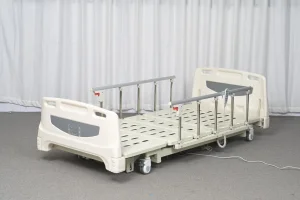
Height adjustments down to 67mm, minimizing impact energy in unintended exits.
Equipped with German motor technology for silent, heatless, and moisture-protected operations.
Patient falls in long-term geriatric care, post-surgical recovery, and rehabilitative isolation are a primary source of non-surgical clinical complications worldwide. The biophysical dynamics of a fall from a standard hospital platform height (approx. 600mm to 800mm) onto a hard surface can be quantified using kinetic energy formulas:
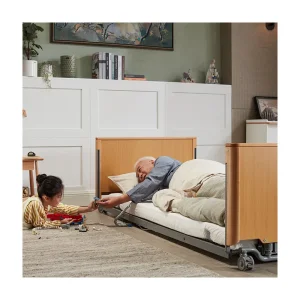
Where m represents patient mass, g is gravitational acceleration, and h represents the height of the fall. By lowering the platform height to a minimal clearance of 67mm to 100mm, the potential energy is dramatically reduced, lowering the terminal velocity of an accidental roll-out or fall to a safe level. This effectively mitigates the risk of severe impact injuries, such as femoral neck fractures and subdural hematomas.
An ultra-low bed does not mean caregivers must compromise on ergonomics. While the safety position (designed for sleeping or unmonitored periods) is set at the minimum height of 67mm, the motorized multi-function capabilities allow caregivers to raise the platform to a height of 640mm or higher. This adjustable range prevents musculoskeletal strain on nursing staff during typical interventions, including wound dressing, linen changes, and physical transfers. The design also facilitates safe, independent patient egress when the bed is positioned at an ergonomically appropriate seat-to-floor height, enhancing patient autonomy.
Modern clinical models combine physical low-height safety with active monitoring technology. Underbed sensor arrays and integrated pressure-sensitive mattresses track patient movement in real time. If a patient attempts to leave the bed unassisted, localized telemetry alerts are transmitted directly to central nursing stations. This early notification allows nurses to intervene before a fall can occur, providing a proactive safety solution for busy clinical environments.
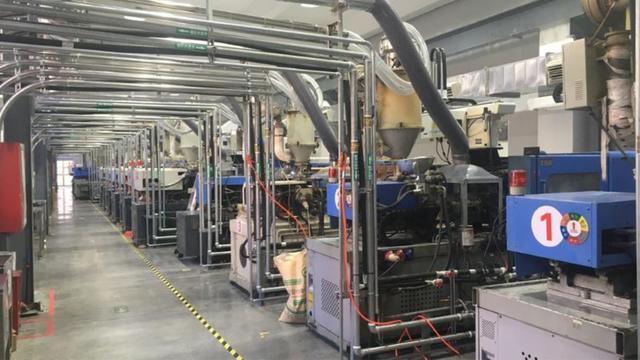
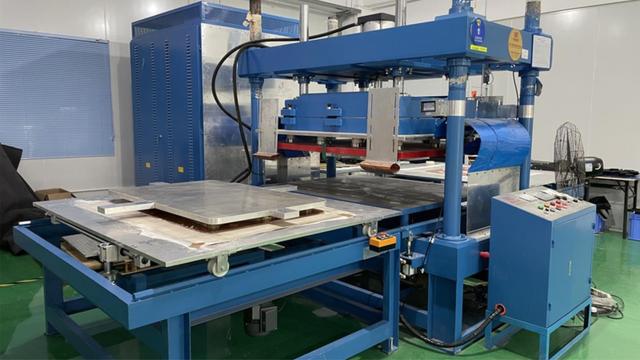
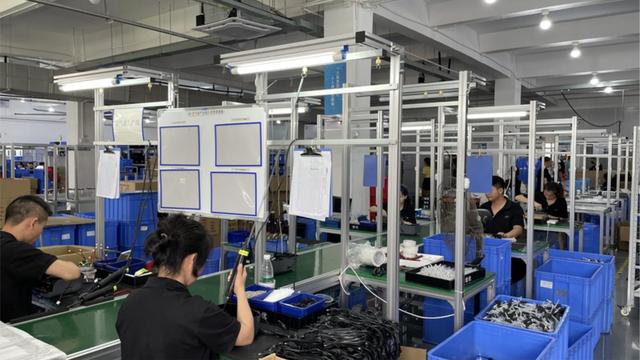
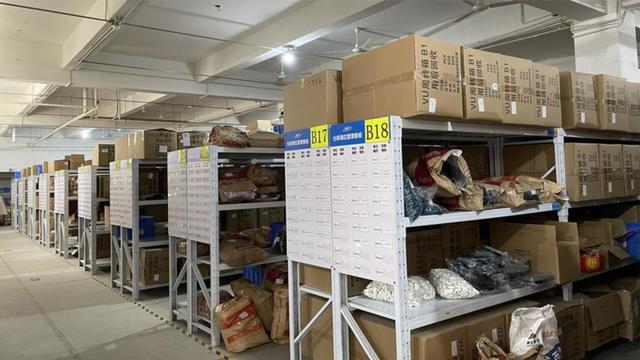
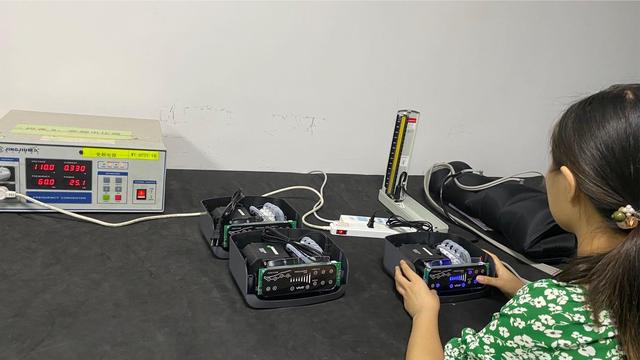
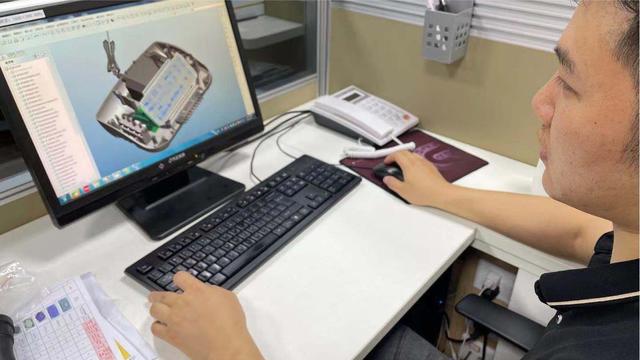
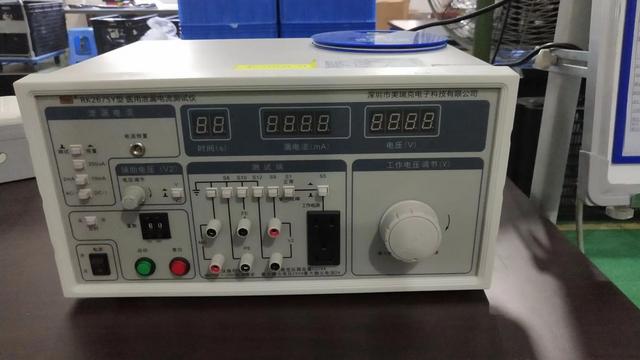
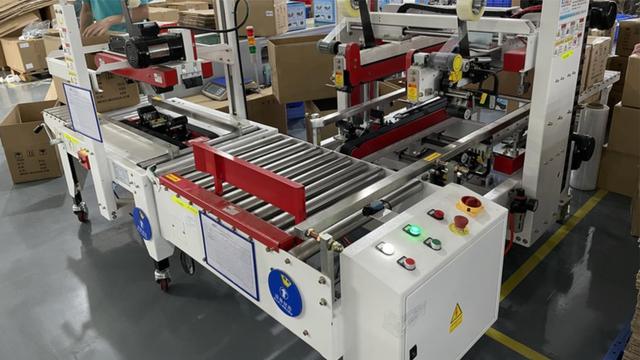
Behind every high-performance patient safety bed is Hangzhou Dgem Medical's state-of-the-art manufacturing infrastructure. Verified testing, advanced robotics, and strict quality controls guarantee long-term dependability.
Hangzhou Dgem Medical Co., Ltd. is a leading manufacturer specializing in advanced hospital bed solutions. We provide high-quality electric, manual, and smart patient care systems for global healthcare environments. With a strong focus on innovation, precision engineering, and patient-centered design, we are a trusted partner for hospitals, nursing homes, rehabilitation centers, and home care providers worldwide.
Our production facilities utilize modern manufacturing processes, including automated robotic welding arms, precision metal stamping, and eco-friendly electrodeposition coating lines. This technological integration ensures every joint, linkage, and motor housing is manufactured to precise tolerances. This guarantees that our low-height beds operate smoothly throughout years of heavy clinical service.
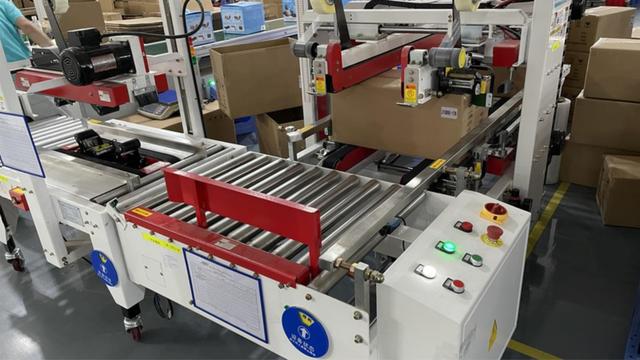
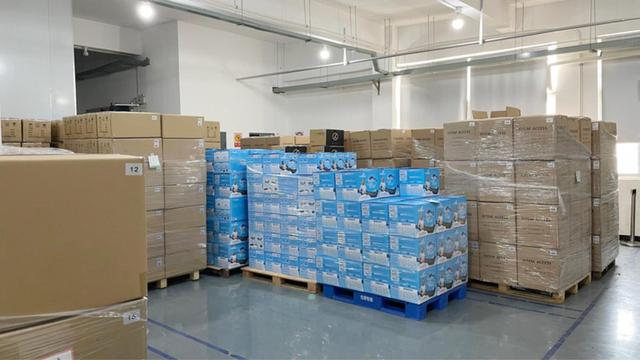
Logistical coordination for the Maldives requires comprehensive planning. Sea freight from East Asian hubs like Ningbo or Shanghai typically sails via the Malacca Strait directly to the Port of Malé. From this point, materials must be sorted and loaded onto domestic shallow-draft cargo vessels for transport to final destinations across the atolls. This multi-stage shipping process underscores the need for robust product packaging.
To reduce shipping volume and prevent damage during transit, Dgem Medical utilizes flat-pack shipping designs. Each component is nested inside heavy-duty corrugated board, reinforced with internal edge protection and high-density foam padding. This packaging optimizes container volume utilization and simplifies transport on smaller inter-island vessels. Once on-site, the beds can be assembled quickly with standard tools, ensuring a streamlined installation process.
Dgem Medical products comply with strict international regulatory standards. Our clinical beds are manufactured in accordance with ISO 13485 quality management systems. They also feature CE certification under the EU Medical Device Regulation (MDR) and meet the safety requirements of IEC 60601-2-52. This regulatory compliance guarantees that Maldivian health facilities receive equipment that satisfies global clinical safety standards.
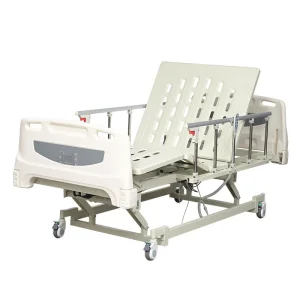
Explore our complete range of low-height, manual, and multi-functional electric beds, engineered to provide patient protection, ease of mobility, and versatile positioning configurations.
As healthcare technology continues to advance, the design of fall prevention beds is moving beyond purely mechanical solutions. The next generation of safety beds will integrate ambient monitoring systems, advanced materials, and internet-of-things (IoT) connectivity. This will transform the patient bed from a static support surface into an active participant in patient care and monitoring.
The integration of micro-sensor arrays within the sleep deck allows for the continuous monitoring of patient positions, weight distribution, and vital signs. Through machine learning algorithms, these sensors can detect subtle pre-exit movement patterns. This predictive analysis allows nurse call systems to alert staff before the patient actually exits the bed, significantly reducing fall incidents in high-risk wards.
In hot, humid climates like the Maldives, moisture accumulation on bed frames and mattresses presents a persistent infection control challenge. Future design phases include the integration of silver-ion antimicrobial coatings on metal frames. Additionally, advanced, vapor-permeable polyurethane covers are being utilized to reduce moisture buildup and lower the risk of pressure injuries.
Expert answers addressing the design, certification, logistics, and maintenance of our ultra-low height medical beds deployed in Maldivian clinical environments.
 Dgem Medical