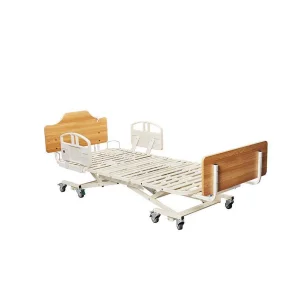
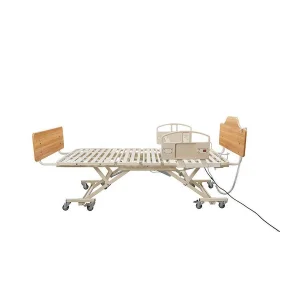
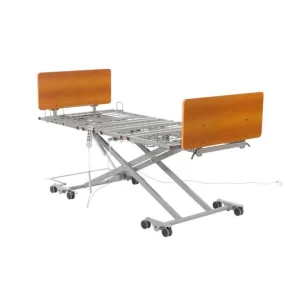
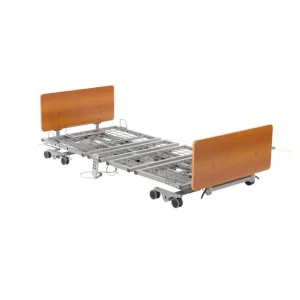
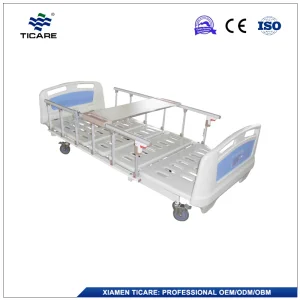
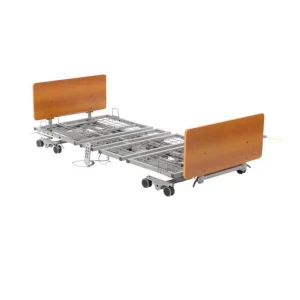
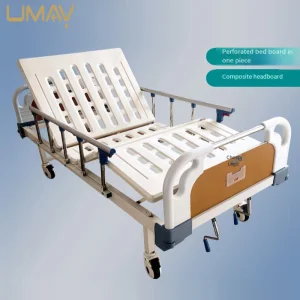
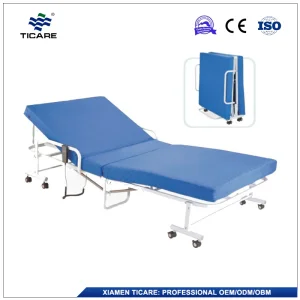
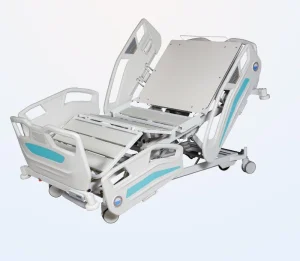
Engineered to support overweight patients, with structural enhancements optimized for both urban clinics in Juba and remote clinical outposts in South Sudan.
South Sudan's healthcare sector is undergoing a profound phase of structural development. Led by the Ministry of Health, in partnership with international agencies (WHO, UNICEF, Doctors Without Borders) and private healthcare investors, there is an urgent push to upgrade intensive care units (ICUs) and long-term care wards. Within this context, the procurement of high-weight capacity medical systems is no longer a secondary consideration but a core technical requirement.
In hospitals in major hubs such as Juba, Wau, and Malakal, the patient profile is shifting. High body mass index (BMI) conditions, compound metabolic disorders, and trauma patients requiring prolonged orthopedic immobilization demand specialized heavy-duty bariatric beds. Conventional hospital beds often lack the motor power, structural steel reinforcement, or bed-deck width needed to safely manage patients weighing upwards of 400 lbs (approx. 180 kg). This structural deficiency places clinical staff at high risk of occupational back injuries and risks structural failure of critical equipment.
Furthermore, South Sudan's operational challenges demand robust hardware. High ambient temperatures, high humidity, dust ingress, and frequent voltage fluctuations require medical equipment constructed with resilient coating technologies and high-tolerance electronics. Bariatric beds deployed here must combine top-tier ergonomic features with reliable mechanical bypass systems to perform uninterrupted during sudden grid power failures.
Heavy-duty bariatric beds are built around specialized material properties and mechanical engineering principles. For a bed to handle 400 lbs to 600 lbs safely, structural components must be engineered to prevent bending and ensure smooth operation over years of active service.
Manufactured with high-tensile cold-rolled steel panels and rectangular tubing. The under-bed linkage systems are double-reinforced at major load points to prevent metal fatigue under continuous loads.
Powered by medical-grade DC motors (e.g., Linak or Dewert equivalents) featuring overload protection. These high-thrust actuators deliver smooth, low-noise height adjustment, backrest tilting, and leg positioning without strain.
All steel components are treated with a multi-stage chemical wash, followed by an electrostatic powder coating. This prevents oxidation from moisture and harsh chemical disinfectants used in critical infection control.
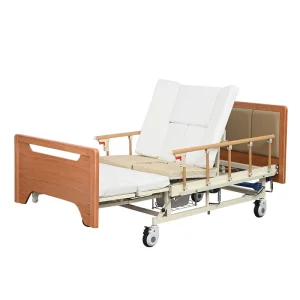
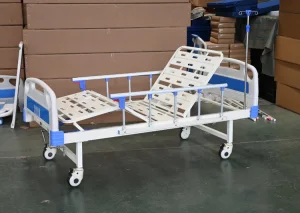
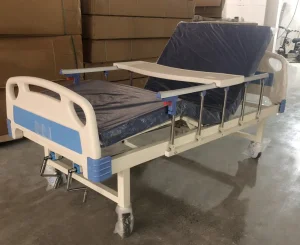
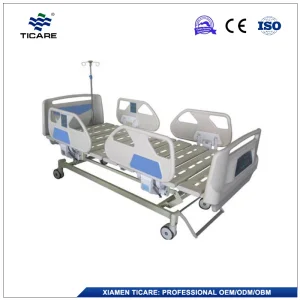
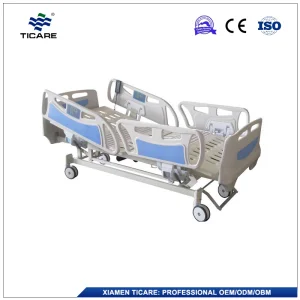
In metropolitan medical centers, fully electric beds (5-function models with battery backups) are standard because they allow caregivers to easily reposition patients. However, in regional facilities in South Sudan where electric grids are less reliable, heavy-duty manual nursing beds (equipped with heavy-duty mechanical crank systems) are highly practical. These manual systems eliminate electronic failure risk while providing the mechanical leverage needed to lift patients weighing over 150 kg with minimal physical effort.
Purchasing heavy-duty medical equipment for South Sudan requires a thorough understanding of localized shipping pathways and import rules. Because South Sudan is landlocked, logistics usually rely on deep-water ports in neighbor countries, followed by overland transport.
Bariatric beds manufactured in China are packed into standard sea containers (20GP/40HQ) and shipped via major shipping lanes to the Port of Mombasa (Kenya) or the Port of Djibouti. From Mombasa, cargo travels along the Northern Corridor by truck through Uganda to the Nimule border post, before arriving at hospitals and warehouses in Juba.
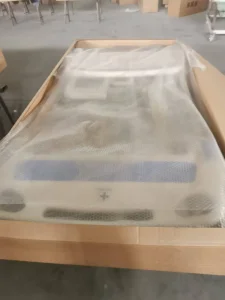
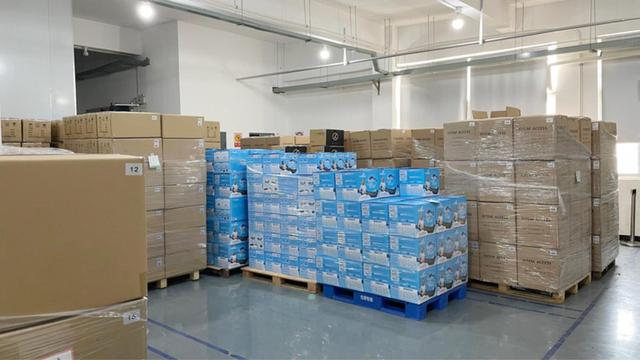
We ensure protective packaging, enclosing all mechanical components in moisture-barrier bags and high-strength wooden crates to protect the equipment during transit across rough roads.
NGO procurement programs have strict compliance checklists. Heavy-duty beds must meet international standards to pass customs inspections and verify quality:
Hangzhou Dgem Medical Co., Ltd. is a professional manufacturer specializing in advanced hospital bed solutions, delivering high-quality electric, manual, and smart patient care systems for global healthcare environments. With a strong focus on innovation, precision engineering, and patient-centered design, the company has established itself as a reliable partner for hospitals, nursing homes, rehabilitation centers, and home care providers.
Dgem Medical offers a comprehensive product portfolio, including electric hospital beds, manual nursing beds, ICU critical care beds, and intelligent smart beds equipped with integrated monitoring and remote control functions. Each product is designed to enhance patient comfort, improve caregiver efficiency, and meet strict international healthcare standards.
Backed by a skilled R&D team and modern manufacturing facilities, Hangzhou Dgem Medical integrates advanced technologies such as IoT connectivity and ergonomic design into its solutions. The company emphasizes durability, safety, and ease of operation, ensuring long-term value for medical institutions.
Committed to quality and global service, Dgem Medical adheres to rigorous quality control systems and provides flexible OEM/ODM services to meet diverse market demands. With a growing international presence, the company continues to support healthcare providers worldwide by delivering reliable, efficient, and innovative patient care equipment.
Our full line of long-term care, ICU, and manual nursing beds designed for durability and patient comfort in South Sudan clinics and nursing environments.
Setting up a functional bariatric recovery unit requires planning beyond the bed itself. It requires an integrated approach to ward space, patient handling equipment, and staff training. When designing rooms for patients over 150 kg, hospital planners must account for wider door clearances, reinforced flooring, and overhead patient lift systems.
As digital health technology develops, the hospital bed is becoming a connected hub for patient data. Future technologies for regional hospitals include:
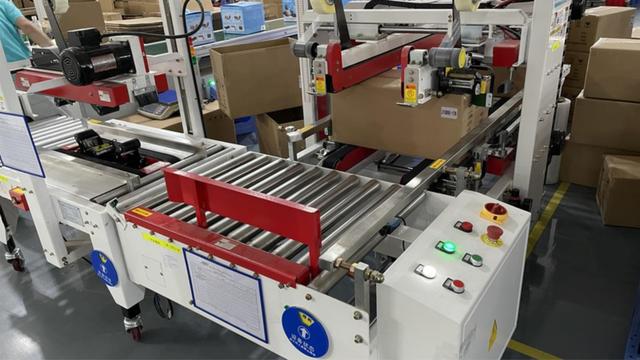
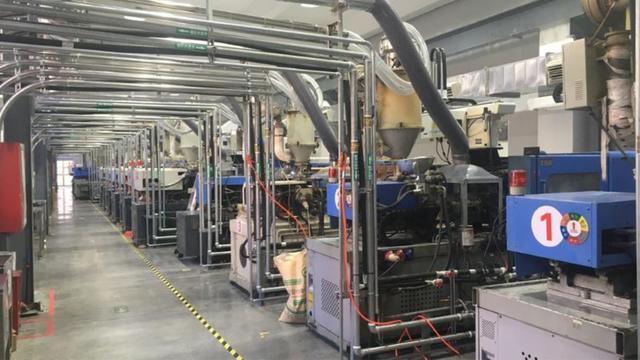
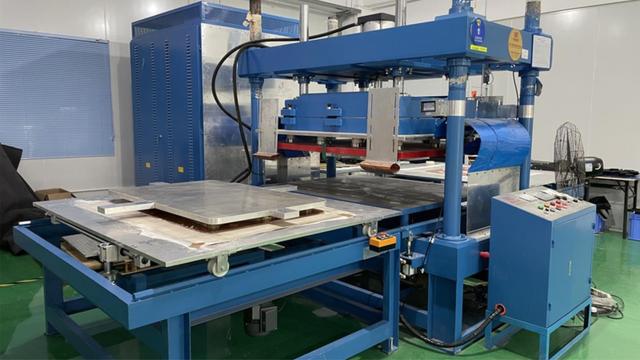
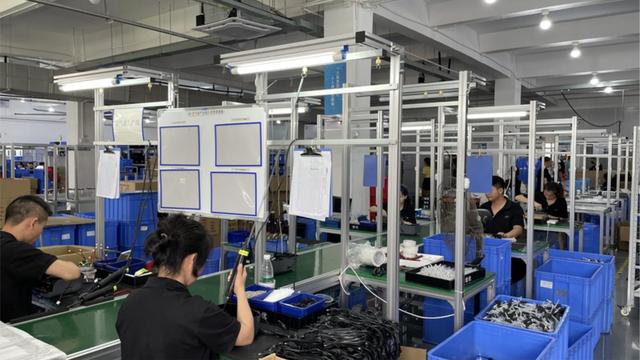
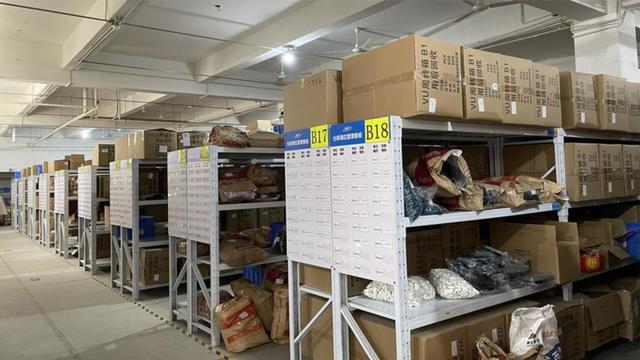
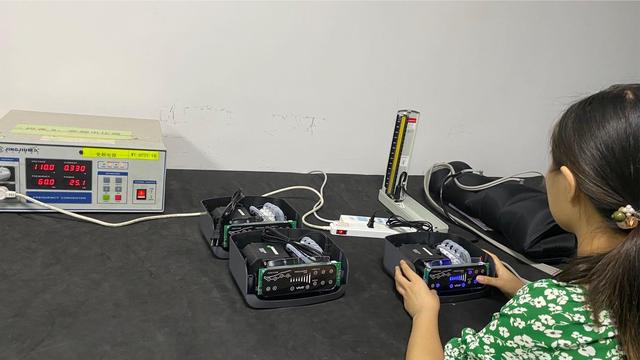
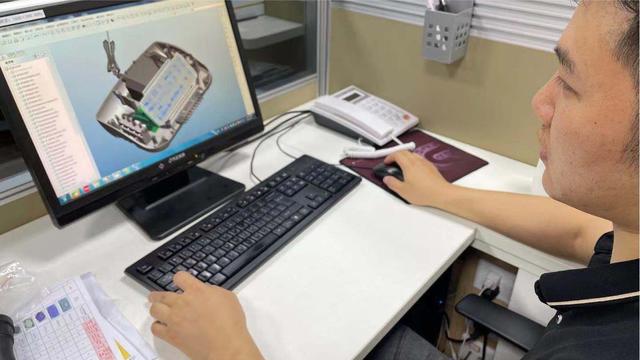
To support high-quality healthcare delivery in South Sudan, Hangzhou Dgem Medical provides technical documentation, parts supply, and online training for local biomedical engineers. Here is a look at our quality control processes and structural verification:
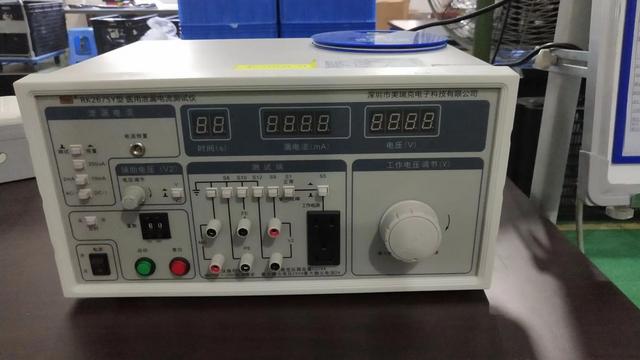
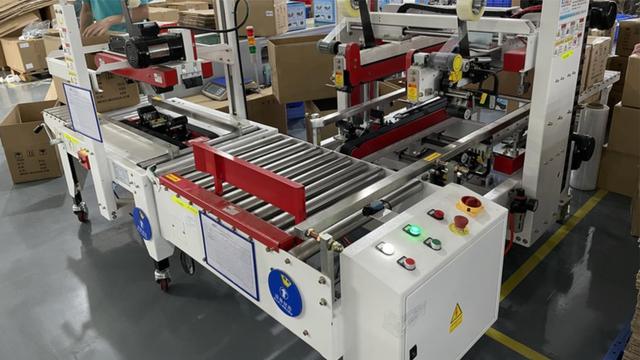
Get details about our specifications, shipping processes, and customization options for heavy-duty hospital beds.
 Dgem Medical