Explore our premium medical beds engineered with advanced posture mechanics, multi-functional controls, and healthcare safety compliance protocols.

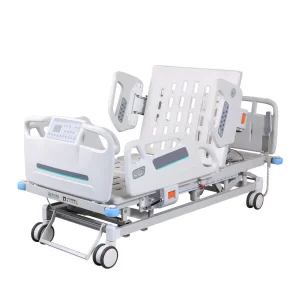
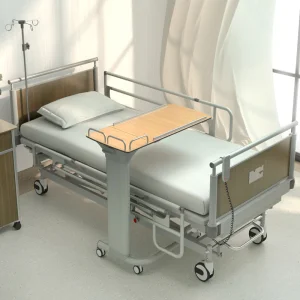
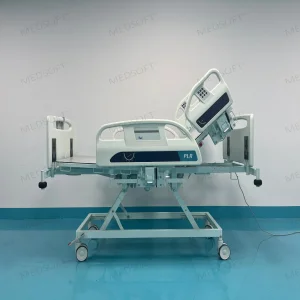
The global healthcare industry is undergoing a paradigm shift. Modern inpatient facilities are moving away from passive recovery systems toward integrated, data-driven ecosystems. At the center of this transformation is the smart medical bed, acting as a non-wearable, continuous bio-monitoring station that operates in tandem with patient wearables.
By embedding physiological sensors, load cells, and micro-movement matrices directly into hospital bed structures, manufacturers like Hangzhou Dgem Medical Co., Ltd. bridge the gap between traditional mechanical engineering and modern bio-telemetry. These technologies monitor vital metrics—including heart rate variations, respiratory frequencies, sleep staging, and interface pressures—without requiring direct skin contact or patient discomfort.
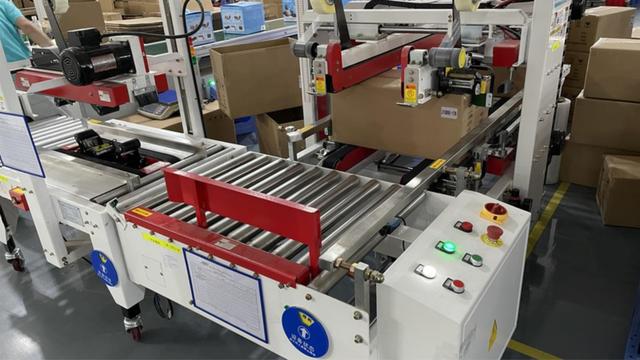
Hangzhou Dgem Medical Co., Ltd. represents the peak of domestic innovation in rehabilitation and high-dependency hospital furniture design.
Every electric and hydraulic ICU system adheres strictly to IEC 60601-2-52 safety specifications, ensuring patient entrapment risks are engineered out of every side-rail design.
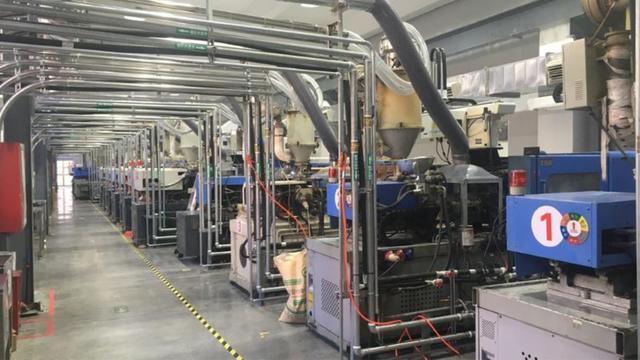
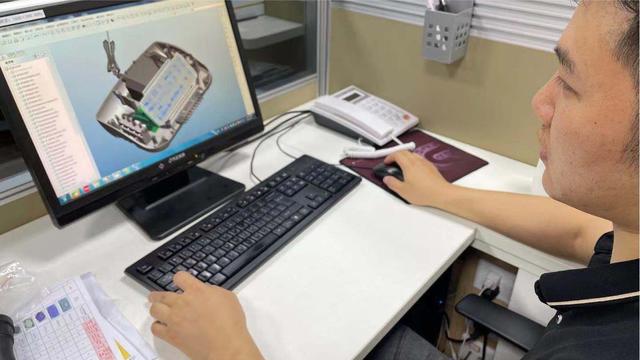
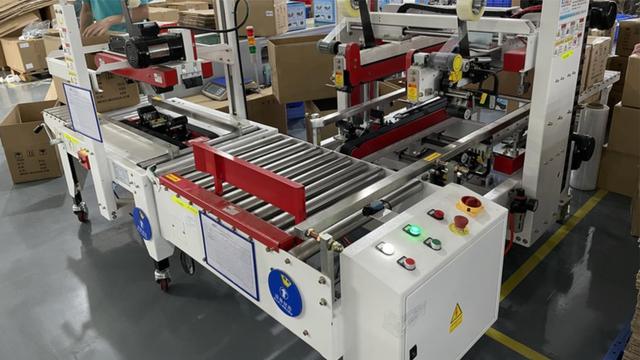
Equipped with modern metal forming, robotic welding stations, and specialized R&D departments, we customize structures, electrical actuators, and IoT integrations for clinical buyers.
Through cyclic load testing, electrical isolation testing, and micro-climate stress testing, our clinical beds achieve a design lifespan exceeding 10 years of intensive operation.
A high-performance medical bed is defined by the precision of its motion controls. Hangzhou Dgem Medical incorporates linear actuators from industry leaders (such as Jiecang and Linak) to deliver silent, stable, and highly responsive positioning.
Whether navigating Trendelenburg/Reverse Trendelenburg adjustments, auto-regression functions to minimize abdominal pressure during seating, or emergency CPR quick releases, our mechanical control frameworks respond instantly. This level of responsiveness is vital during respiratory emergencies or acute hemodynamic events in ICU wards.
By blending advanced metallurgy with premium polymers, our structural chassis endure repeated sterilization processes with hospital-grade surface disinfectants without corroding or losing electrical grounding safety.
Adapting medical hardware to meet regional hospital specifications, long-term care regulations, and clinical informatics architectures.
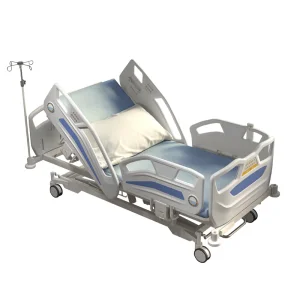
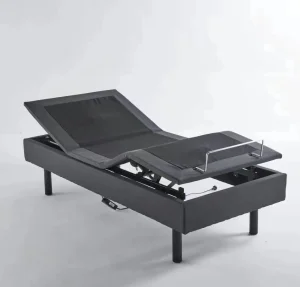
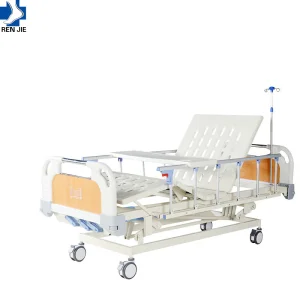
High-dependency electric frames engineered to integrate seamlessly with lateral rotation therapy protocols. Includes integrated weighing scales and X-ray translucent backrests for rapid imaging.
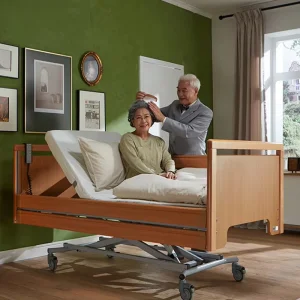
Low-height safety profiles (less than 20cm from floor level) designed to mitigate fall injuries, paired with aesthetic wood-grain configurations to decrease institutional stress for patients.
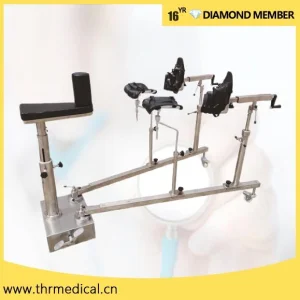
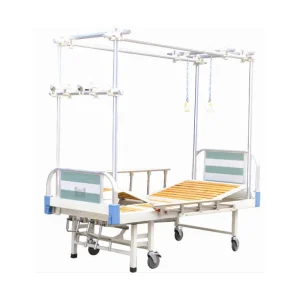
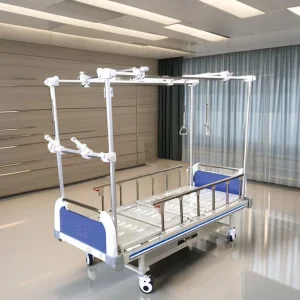
Heavy-duty overhead traction frames and manual suspension rigs, configured for stable anatomical alignment, dynamic lower-limb suspension, and controlled post-surgical mobilization.
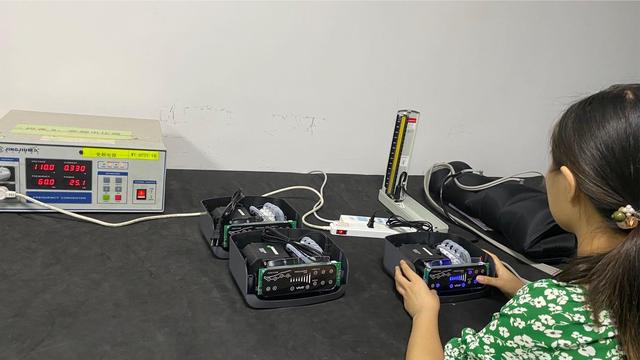
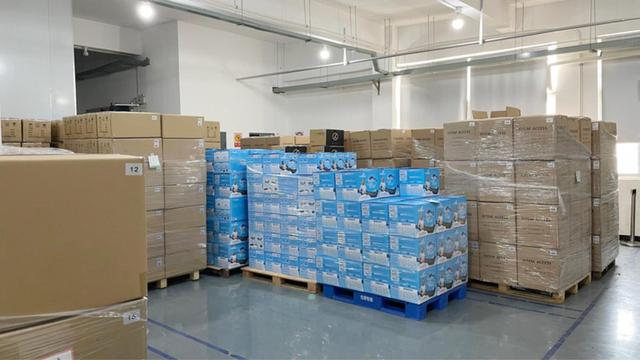
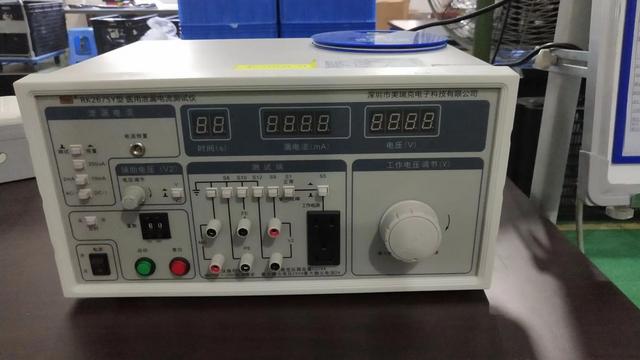
A visual overview of Hangzhou Dgem Medical Co., Ltd.'s processing rooms, structural assembly sectors, and international certification trials.
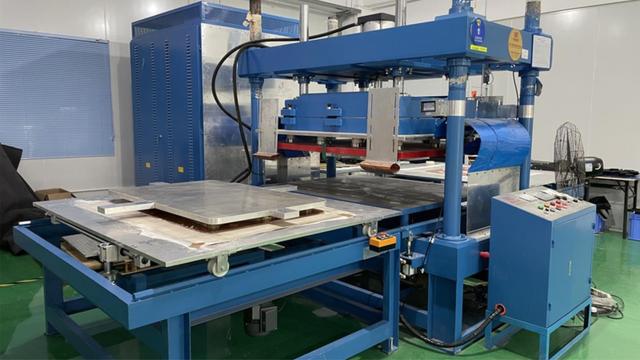
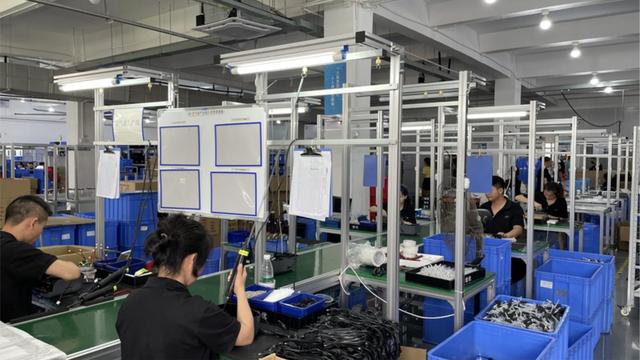
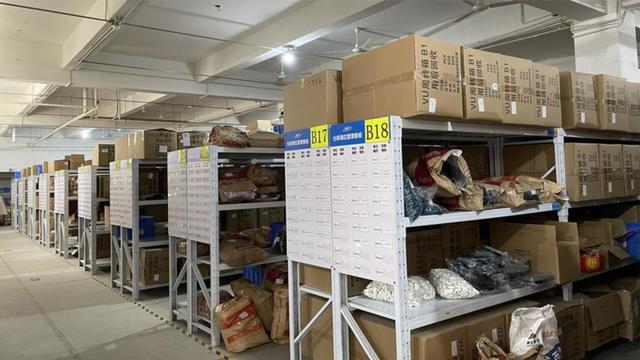
Bridging physical hardware with next-generation sensor integration, cloud communications, and real-time medical informatics.
Integration of low-frequency piezo-electric array bands within mattress systems to detect respiration and heart rate patterns under layers of fabrics.
Automated moisture and thermal sensors adjusting local air cell ventilation inside pressure redistribution pads, targeting skin integrity issues.
Machine learning processing of center-of-gravity displacements on bed frames, providing early notification of out-of-bed falls for high-risk patients.
Standardizing local telemetry exports to interface directly with major Electronic Health Record (EHR) databases via secure clinical communication channels.
Navigating different regulatory frameworks across regional markets is a key step to successful clinical deployments.
Global medical standards vary widely. In the European Union, the transition to the Medical Device Regulation (MDR 2017/745) demands thorough documentation and tracking. Similarly, in the United States, FDA Class II registration requires strict compliance with mechanical safety tests and electromagnetic interference checks.
By operating under certified ISO 13485 (Medical Devices Quality Management Systems) guidelines, Hangzhou Dgem Medical ensures every batch undergoes strict electrical insulation audits, load limits testing, and side-rail trapping checks. These compliance measures protect healthcare providers against operational liability while ensuring a high standard of patient care.
To support overseas partners, we provide tailored localization documentation, regional power configurations (110V/220V systems), customized plug layouts, and complete spare parts packages to minimize equipment downtime.
Key Certification Benchmarks Met:
Answering key logistical, regulatory, and engineering queries from medical procurement officers and clinical distributors.
We design our side rails and head/footboards in strict accordance with the IEC 60601-2-52 standard. This specification restricts the spaces between side rail spindles, bed frames, and mattresses to target and prevent patient head, neck, or chest entrapment risks.
Yes. Our advanced electrical control boxes support analog and digital interfaces, allowing us to build customized nurse call links and data connection lines that connect with modern hospital systems and wearable health networks.
We provide full customization, including motor systems (Linak, Dewert, Jiecang), frame dimensions, safe working loads (up to bariatric limits), custom-branded side rail panels, backup battery configurations, and dynamic sensor integrations.
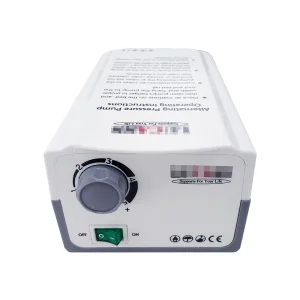
Our low-air-loss systems use a clinical pump to cyclically inflate and deflate individual air cells. This process periodically alters the pressure points against the patient's skin, maintaining capillary blood flow to target and prevent tissue breakdown.
Typical production cycles range from 30 to 45 days, depending on custom options, raw material requirements, and order volume. Standard configurations with CE and FDA export packaging can be expedited to support emergency hospital supply runs.
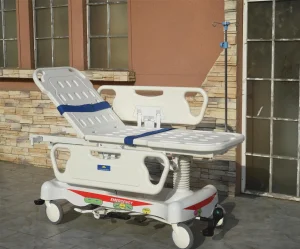
Explore our targeted rehabilitation systems, lightweight residential frames, emergency transport units, and orthopedic accessories.
 Dgem Medical