Intelligent, remote-capable patient support solutions optimized for hospital, intensive care, and home telemedicine workflows.
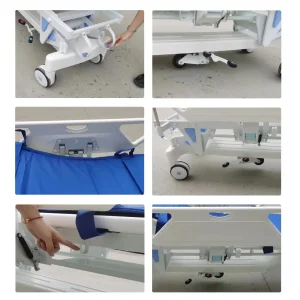
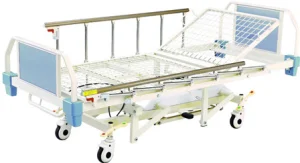
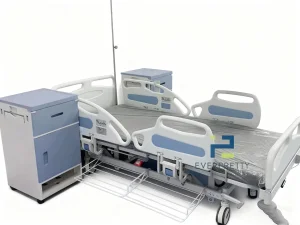
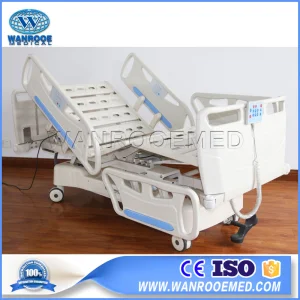
The modern healthcare ecosystem is shifting rapidly from isolated medical devices to fully integrated, data-driven platforms. In this new paradigm, "Telemedicine Platforms" are no longer confined to software applications. True clinical efficiency and remote care safety depend on the telemetry loop between physical ward equipment and virtual clinical portals.
By offering comprehensive OEM/ODM customization services, Dgem Medical enables enterprise software providers, IoT integrators, and healthcare operators to embed telemetry, load-sensing scales, and physical positioning variables directly into their custom cloud dashboards. This eliminates data silos and enhances clinical accuracy.
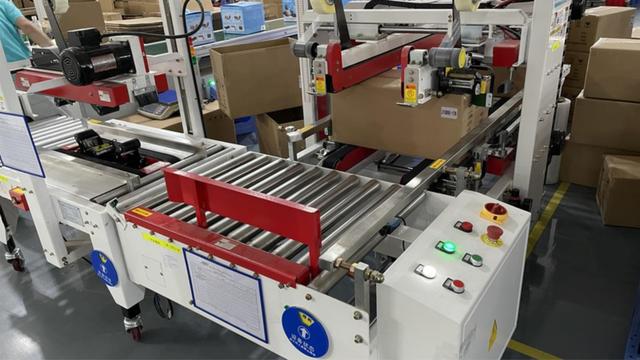
An analysis of key procurement metrics, pain points, and strategic priorities for hospital chains, telehealth operators, and B2B distributors.
Enterprise health systems avoid closed ecosystems. Global purchasers demand smart patient furniture and telemedicine hubs that expose RESTful APIs, MQTT protocols, or HL7/FHIR telemetry endpoints to link physical bed telemetry with EHR systems.
Medical infrastructure must withstand stringent certification reviews. Enterprise tenders require verified ISO 13485 certification, CE marking, FDA listings, and strict compliance with patient safety standards such as IEC 60601-2-52 for medical beds.
Preventing pressure ulcers, patient falls, and caregiver injury are top financial priorities. Procuring smart beds with integrated telemetry reduces length-of-stay costs and saves medical personnel thousands of hours via automated remote monitoring.
How Dgem Medical’s OEM physical infrastructure integrates into specialized clinical environments worldwide.
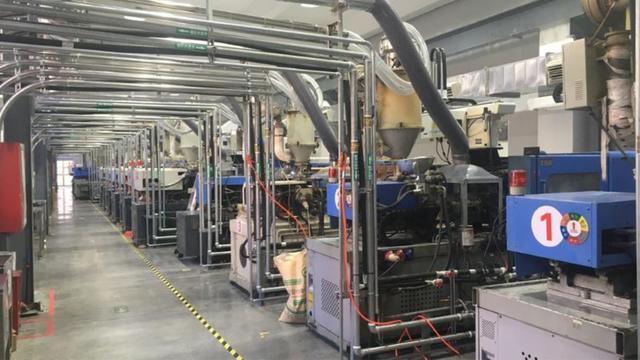
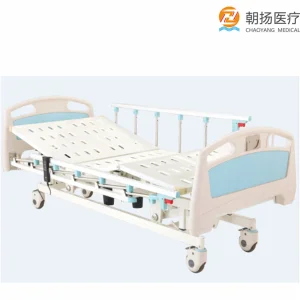
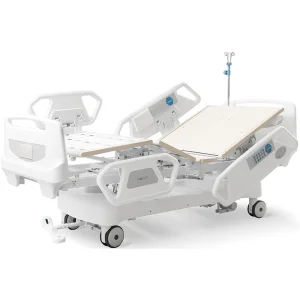
In high-acuity environments, real-time data is critical. Our 5-function electric ICU beds feature weighing scale sensors and lateral tilt features that can feed weight trend and patient positioning data to Central ICU monitors. This allows intensivists to oversee pulmonary therapy and fluid changes remotely via telehealth consoles.
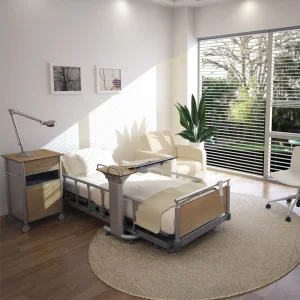
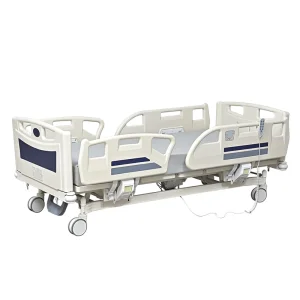
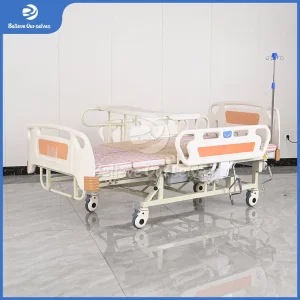
Long-term care settings face a severe shortage of qualified staff. By integrating smart electric home nursing beds with pressure-sensing pads, telemedicine software can alert remote nurses if an elderly patient is at risk of falling or needs lateral rotation to prevent bedsores.
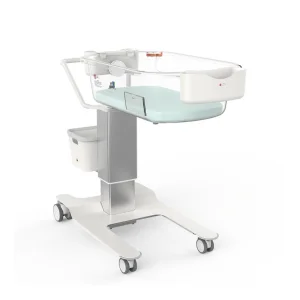
For fragile pediatric cases, radiant infant warmers and neonatal beds must communicate micro-climatic control variables (such as infant skin temperature and ambient humidity) to local and remote monitoring systems. This ensures immediate pediatric intervention, even from off-site specialists.
A deep dive into how physical sensors, micro-controllers, and APIs work together to deliver real-time data to clinical dashboards.
Integrating hardware telemetry with software telehealth systems involves a robust, multi-tier data pipeline:
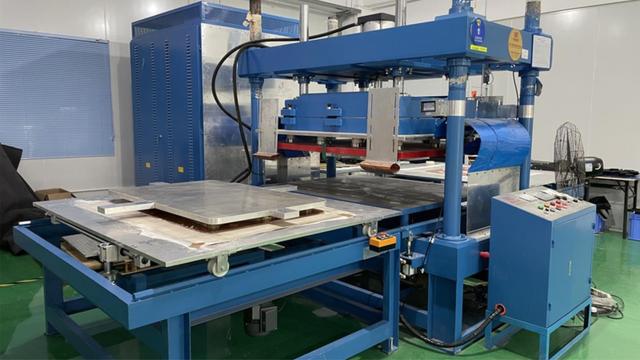
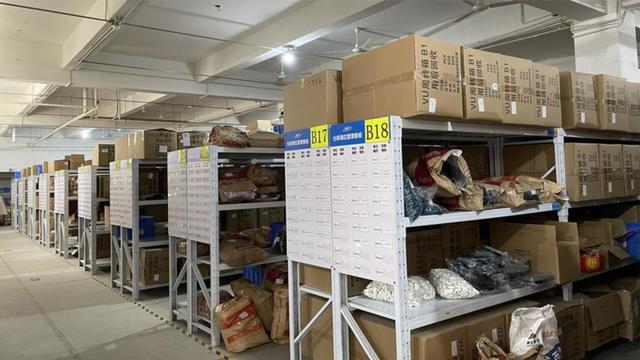
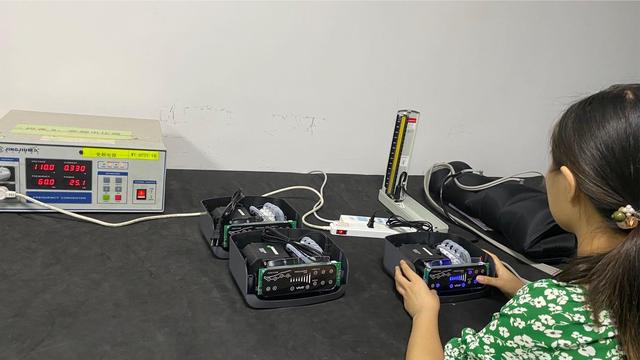
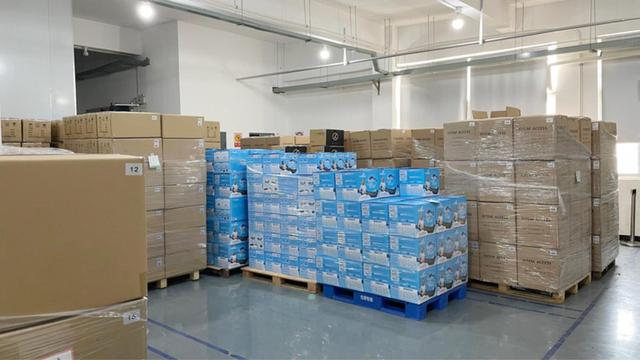
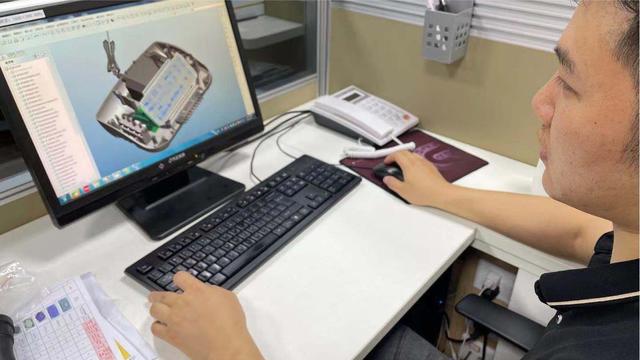
A testament to our industrial capacity, compliance, and commitment to medical-grade precision engineering.
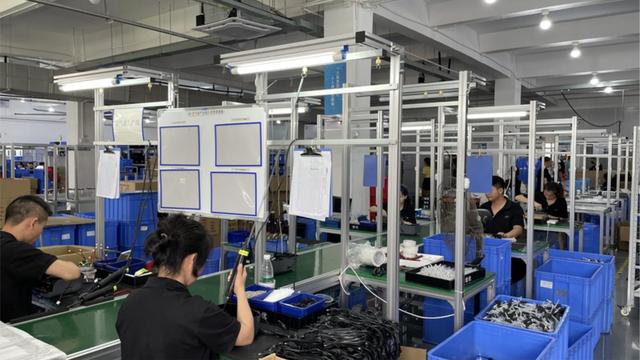
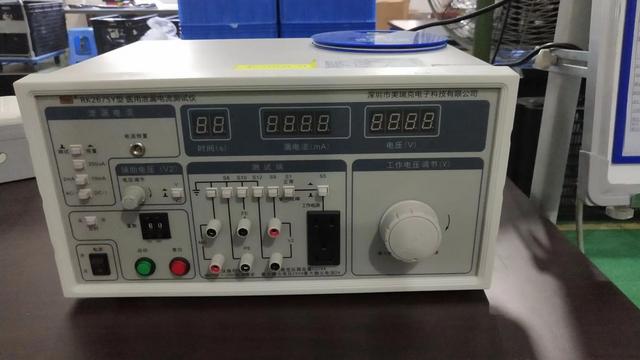
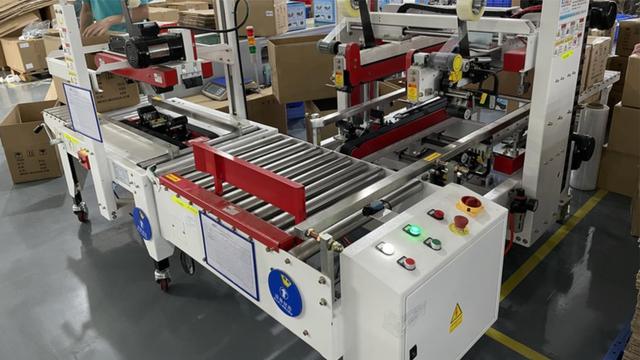
Adhering to strict international standards to ensure seamless integration and regulatory clearance in global markets.
Our OEM manufacturing frameworks align with EU Medical Device Regulation (MDR 2017/745) and US FDA regulations. We provide full technical documentation files, risk assessments, and usability studies to support our global distributors during local registration processes.
For connected IoT medical hardware, protecting patient data is critical. Dgem Medical's firmware communication modules utilize AES-256 encryption at the hardware level. This ensures that telemetry data is secure before reaching your EHR systems or telemedicine platform.
Every electric patient platform we produce is designed and tested to prevent entrapment risks, dynamic overloads, and electrical faults, adhering strictly to global IEC 60601-2-52 and IEC 60601-1 standards.
Answers to technical and commercial questions about integrating our OEM smart hardware with telemedicine platforms.
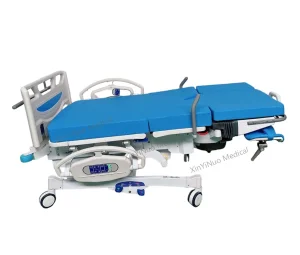
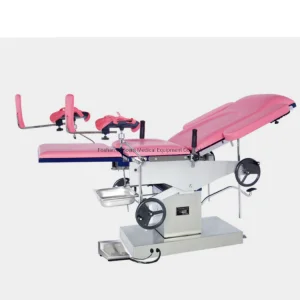
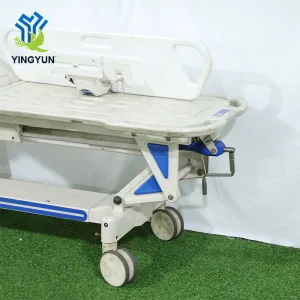
Rugged, medical-grade patient platforms designed for specialized hospital departments, emergency transport, and maternity care.
 Dgem Medical