Advanced ergonomic adjustable beds designed to elevate comfort and care standards for local clinical environments and private home care.
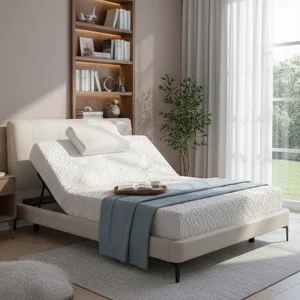
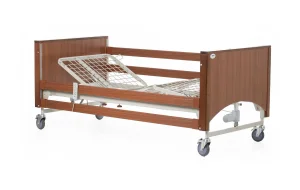
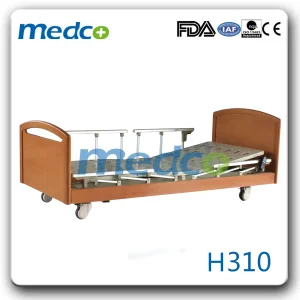
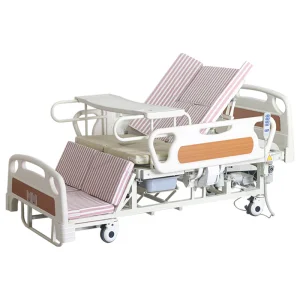
Equatorial Guinea is currently undergoing a transformative period in its public and private healthcare sectors. Driven by the government's Horizon 2035 development agenda and investments in infrastructure across both the insular region (Bioko Island, housing Malabo) and the continental region (Río Muni, centering on Bata), local health systems are facing a dual challenge: addressing the needs of an aging demographic and alleviating the burden on central hospital beds.
Recent analytical reports highlight a growing demand for patient-centric rehabilitation equipment. Traditionally, recovery occurred in institutional settings, often leading to bed-shortages and high clinical overheads. Today, private health insurers and public initiatives under the Ministry of Health and Social Welfare (MINSABS) are actively promoting home care models. The transition toward high-quality home care adjustable beds is a key strategic pillar in this shift.
“Home-based recuperation not only reduces clinical costs by over 40% but accelerates psychological recovery, provided the home environment replicates standard hospital mechanics.” — West African Medical Journal, 2023
By equipping households with modern, multi-functional adjustable beds, families can secure hospital-grade safety, motor-driven articulation, and advanced pressure relief features right in their residential spaces in Malabo, Bata, or the new administrative capital of Djibloho.
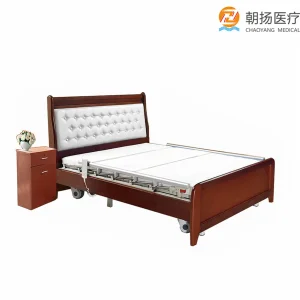
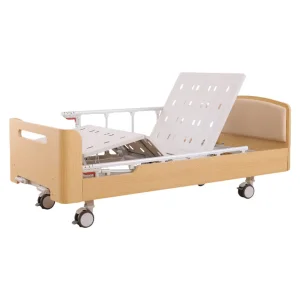
Equatorial Guinea boasts one of the highest GDPs per capita in Central Africa, historically driven by the oil and gas boom. This economic prosperity has led to the emergence of a middle and upper class demanding premium medical services. Private clinics in Malabo II and Bata are increasingly purchasing high-end wood-finished hospital beds that fit seamlessly into home settings without looking clinical or sterile.
However, procuring medical beds in this region presents distinct supply chain challenges: long shipping lead times, customs complexity, and specific environmental factors like tropical humidity. Hangzhou Dgem Medical Co., Ltd. resolves these logistical hurdles by providing direct, factory-certified OEM/ODM beds built to withstand equatorial conditions.
Equatorial Guinea experiences high relative humidity year-round (often exceeding 85%). Dgem Medical utilizes advanced electrostatic powder coating and high-temperature baking. This creates a non-porous, chemical-resistant shield preventing rust, structural deterioration, and bacterial colonization.
The control boxes and electric motors are sealed to IPX4 or IPX6 water-resistance standards. This ensures the electrical systems remain functional during sanitation procedures and are protected against condensation in tropical coastal cities like Malabo and Bata.
To mitigate voltage fluctuations common in regional electrical grids, our beds are equipped with wide-voltage input transformers (110V-240V) and built-in surge protection. This prevents motor burnout and ensures continuous patient positioning control.
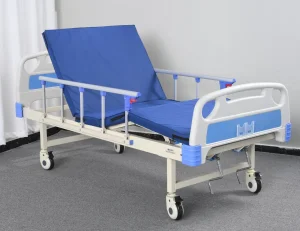
A hospital bed is not merely a piece of furniture; it is an active therapeutic medical device. For a patient recovering from a stroke or suffering from chronic mobility issues in Bata, the ability to smoothly adjust the backrest and leg section prevents pressure ulcers (bedsores), enhances blood circulation, and reduces the physical strain on local caregivers.
By choosing Dgem Medical's customized solutions, distributors in West Africa gain access to beds designed specifically for these conditions. From the wood panels that resist swelling to the steel frames constructed from premium cold-rolled steel, every detail is engineered for durability and reliability.
Our beds utilize silent, medical-grade actuators (from leading manufacturers such as Dewert or Linak upon request) to ensure whisper-quiet operation and zero structural vibration during adjustments.
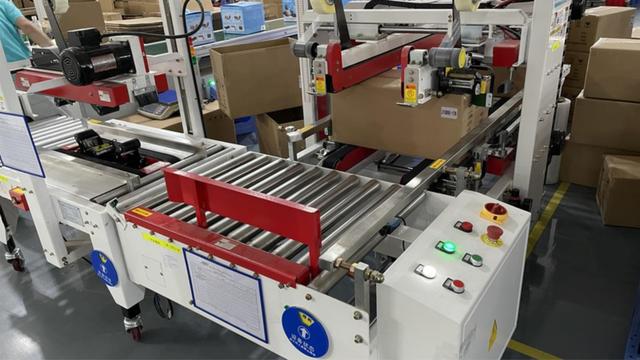
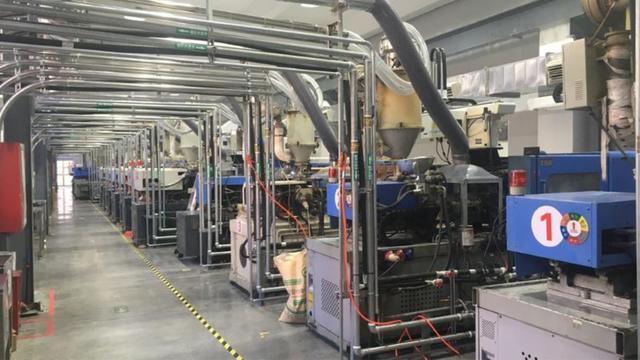
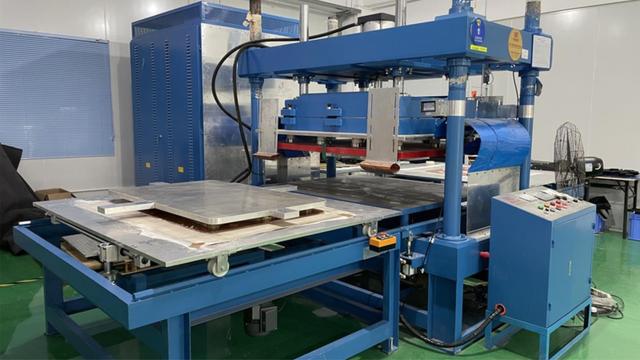
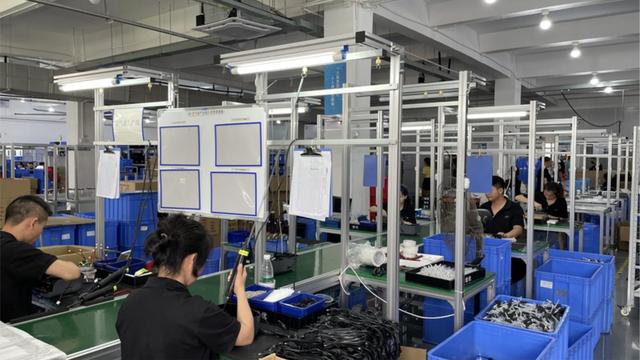
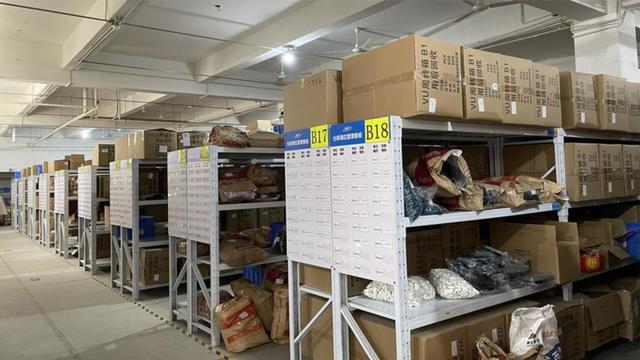
Hangzhou Dgem Medical Co., Ltd. is a leading manufacturer specializing in hospital bed solutions. We supply high-quality electric, manual, and smart patient care systems to medical institutions and distributors globally. Our operations are anchored in a state-of-the-art facility featuring automated welding robots, CNC laser cutting machines, and automated assembly lines.
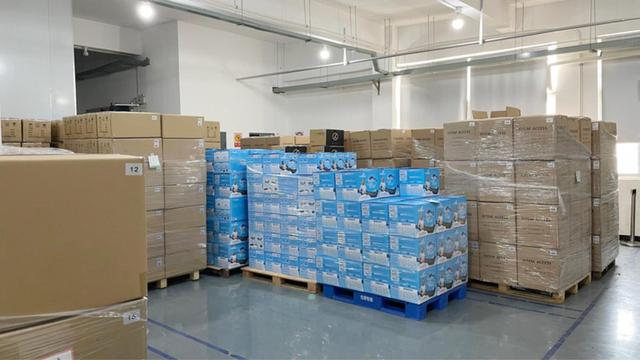
For the Equatorial Guinea market, we offer significant advantages in terms of manufacturing efficiency and logistics. Leveraging long-term partnership agreements with major shipping lines out of Ningbo and Shanghai ports, we guarantee reliable transit times to the Port of Bata and Port of Malabo.
By integrating direct factory sourcing, we eliminate intermediaries, allowing us to pass cost savings on to healthcare projects, NGOs, and medical equipment distributors across Río Muni and Bioko Island. We support flexible OEM/ODM manufacturing, enabling custom wood panel styles, frame lengths, and branding.
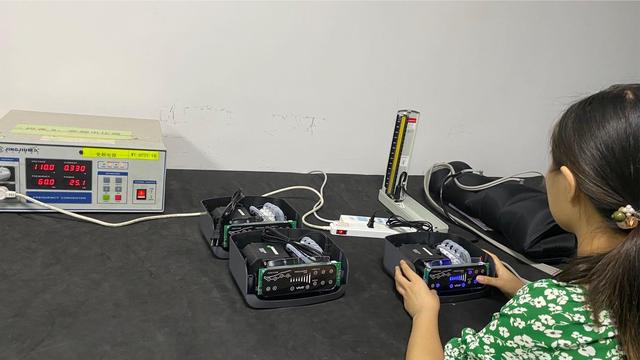
Every home care bed we produce undergoes rigorous testing protocols. These include a dynamic load capacity evaluation, actuator cycle testing (simulating 10,000 operations), and safety testing for electromagnetic compatibility.
This commitment to quality ensures that when our beds arrive in Equatorial Guinea, they are ready for immediate deployment in home settings or clinical environments. They require minimal maintenance and offer long service life, even under continuous usage conditions.
Our raw materials are sourced from leading national steel mills, ensuring that every batch of cold-rolled steel has verified mechanical integrity and load-bearing stability.
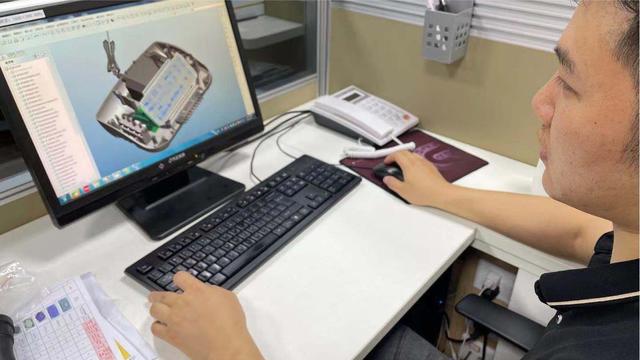
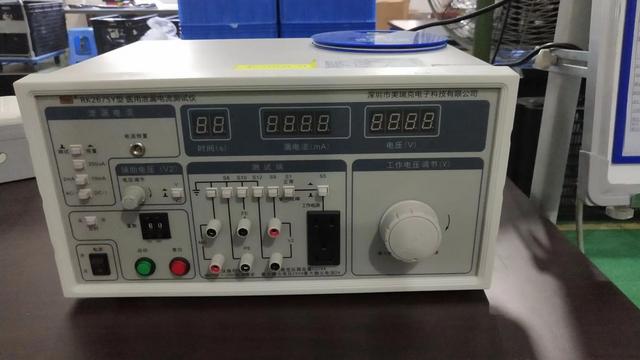
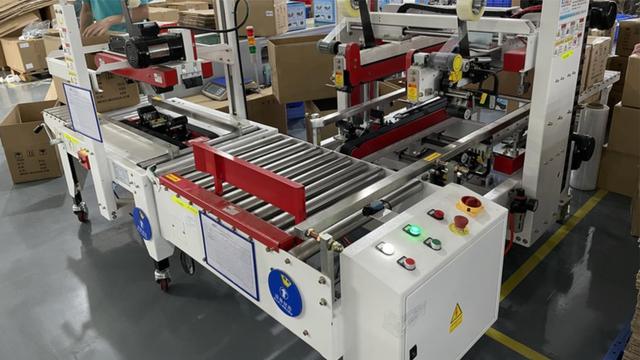
In the medical field, reliability is paramount. Dgem Medical operates under strict alignment with ISO 13485:2016 quality management standards for medical devices. Our home care and clinical beds carry the CE Mark and comply with the European Union's Medical Device Regulation (MDR 2017/745), ensuring their suitability for import into Equatorial Guinea under international trade guidelines.
Whether fulfilling a private procurement order for a luxury estate in Malabo II or supplying clinical systems to regional hospitals via public bids, our products come with comprehensive technical dossiers, declarations of conformity, and warranty certificates.
We recognize that geographic distance can sometimes raise concerns regarding after-sales support. Dgem Medical mitigates this by offering:
Expert answers addressing import logistics, clinical specs, customization, and local installation requirements.
We supply all export documentation required for customs clearance at the Port of Bata and Port of Malabo, including the Bill of Lading, Commercial Invoice, Packing List, Certificate of Origin, and CE/ISO declarations. We work with international freight forwarders to provide either FOB, CIF, or DDP terms upon request.
Our wooden parts (headboards, footboards, side rails) are made of high-density moisture-resistant MDF or solid wood with water-resistant sealing coats. The steel structures undergo shot-blasting, chemical pickling, and dual-layer electrostatic powder coating to ensure rust resistance.
Yes. Our control systems feature built-in voltage surge protection and are designed to function within 100V-240V AC ranges. For extra safety, we can equip the beds with emergency backup batteries, allowing patients to adjust positions during power outages.
Yes, models such as the WS-01 are specifically engineered for tool-free assembly. The split design allows easy transport in elevators and narrow hallways, and can be fully set up by one or two people in less than 15 minutes.
For standard models, our MOQ starts at 5-10 units to make ocean freight cost-effective. However, for customized OEM orders or large hospital projects, we can discuss container-level configurations (20GP or 40HQ) to maximize shipping value.
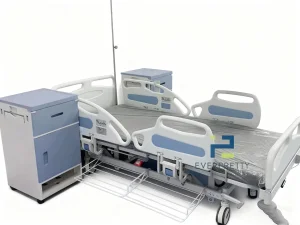
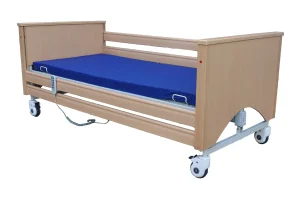
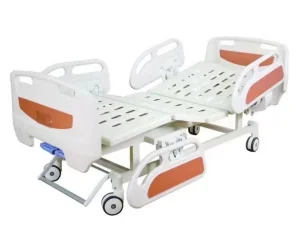
Browse our full range of solutions designed to meet various clinical needs and budget requirements.
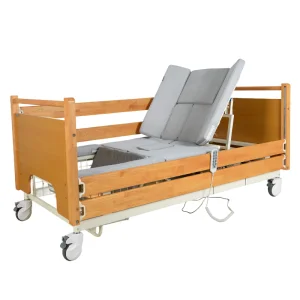
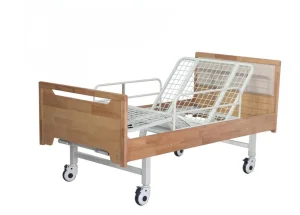
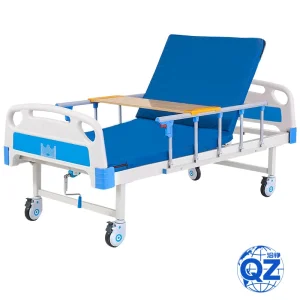
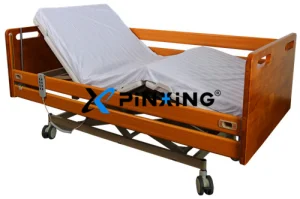
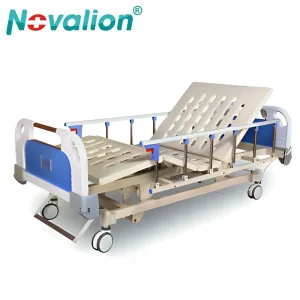
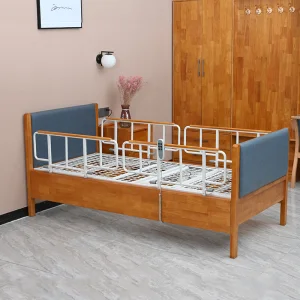
Get a direct factory quotation, custom configuration choices, and calculated shipping options to Malabo or Bata ports.
Send Inquiry Now Dgem Medical