Engineered to facilitate ICU positioning, long-term enteral nutrition, and patient safety workflows.
In the landscape of modern critical care and long-term clinical rehabilitation, the term "Nutritional Support Systems" transcends the boundaries of biochemical solutions and infusion protocols. While enteral and parenteral nutrition provide the metabolic substrates necessary for patient survival and recovery, the physical platform on which these clinical therapies are administered is equally vital. Hangzhou Dgem Medical Co., Ltd. stands at the forefront of this convergence, engineering advanced hospital beds and physiological support environments that serve as the fundamental structural hardware for patient nutrition setups globally.
When a patient undergoes enteral tube feeding (ETF) or long-term parenteral feeding, the risk of micro-aspiration, gastroesophageal reflux, and compromised pulmonary function increases exponentially. Clinical guidelines issued by organizations such as the European Society for Clinical Nutrition and Metabolism (ESPEN) and the American Society for Parenteral and Enteral Nutrition (ASPEN) state that keeping the head of the bed elevated between 30° to 45° is a key step in preventing aspiration. This clinical mandate highlights the need for advanced patient platforms that provide accurate, reliable, and repeatable positioning.
"Advanced physical support systems, including multi-functional electric hospital beds and micro-climate pressure-relief mattresses, are not merely patient furniture; they are clinical interfaces that directly impact metabolic absorption, pulmonary protection, and vascular integrity during enteral and parenteral therapies."
As a leading Chinese manufacturer, Hangzhou Dgem Medical Co., Ltd. blends IoT-driven movement controls with structural design to meet these demanding clinical needs. By combining automated frame fabrication with strict medical-grade certifications (including ISO 13485 and CE compliance), the company ensures that critical care facilities worldwide can deploy patient support systems that elevate both patient comfort and therapeutic efficiency.
Aspiration Prevention Angle
Robotic Welding Precision
Countries Supplied Globally
13485 Certified Quality
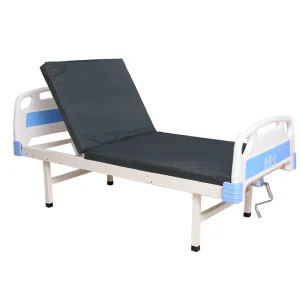
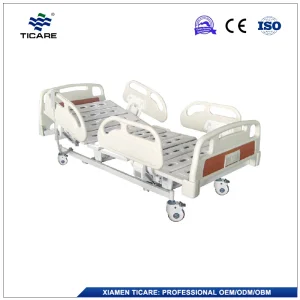
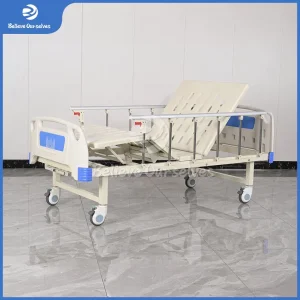
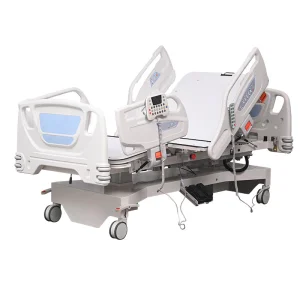
Effective nutritional therapy requires deep integration with patient mobility management. Bedridden patients receiving tube feeding rely on precise anatomical positioning to aid digestion and prevent stomach contents from backing up. Our electric and manual beds feature independent backrest and knee-rest adjustments, allowing caregivers to maintain the recommended semi-Fowler's position with ease.
Intuitive electric and manual adjustment systems allow caregivers to easily set backrest angles between 0° and 75°, keeping patients in the optimal position for enteral feeding and reducing reflux risks.
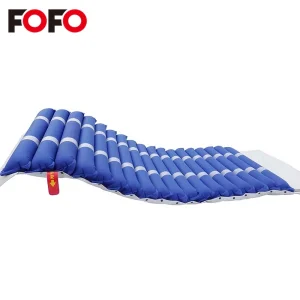
Advanced medical air mattresses (like our tubular air mattress systems) use alternating pressure cycles to distribute load evenly, preventing pressure injuries in patients during long nutrition cycles.
High-end ICU support platforms integrate load-cell weighing systems into the frame. This lets clinical teams track patient fluid retention and nutritional absorption in real-time, without disturbing the patient.
Patients in the ICU undergoing parenteral nutrition often experience hypercatabolic states, which make them highly vulnerable to rapid muscle loss and tissue breakdown. Prolonged immobility on sub-standard surfaces quickly leads to deep tissue pressure injuries. By combining orthopedic support frames with alternating pressure air mattresses, Dgem Medical systems help protect capillary blood flow. This ensures that the patient's skin and tissues remain healthy and receptive to systemic nutrition support.
The manufacturing capabilities of Hangzhou Dgem Medical Co., Ltd. represent the integration of Industry 4.0 standards with deep medical domain expertise. Operating from Hangzhou, a key manufacturing and technology cluster in Eastern China, our facility benefits from a highly resilient and integrated local supply chain. This structural advantage allows us to source high-grade carbon steel, precision linear actuators, and biocompatible polymers with complete quality control and competitive pricing.
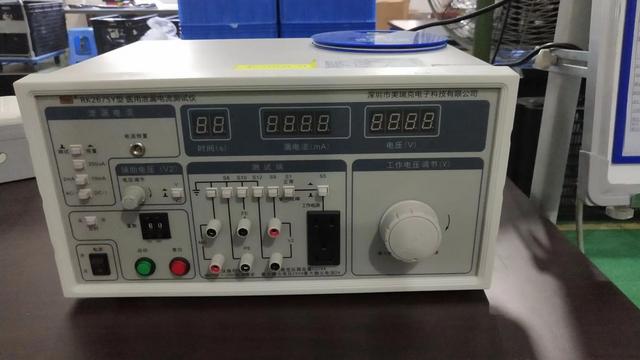
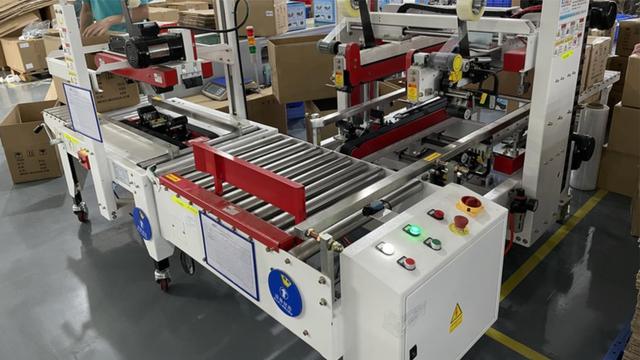
Our production floor uses robotic welding arms, automated stamping frames, and advanced electrostatic powder-coating lines to ensure every bed frame achieves structural uniformity and high load capacities. By automating these key phases of production, we minimize human error and ensure that every welding joint meets international stress-testing standards. This structural integrity is critical for critical care and ICU beds that support heavy payloads and run continuously under demanding conditions.
A visual walkthrough of Hangzhou Dgem Medical's ISO 13485 certified production and testing lines.
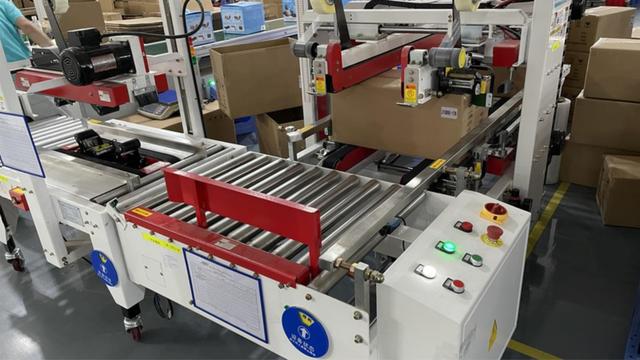
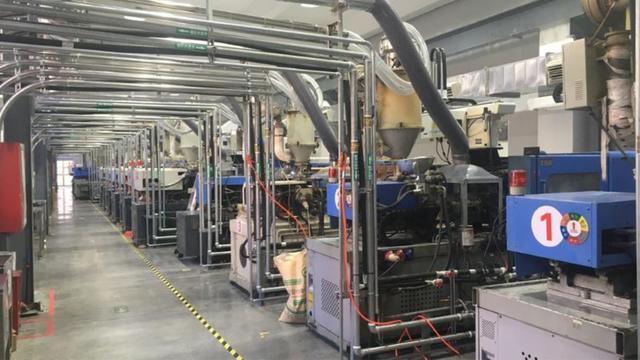
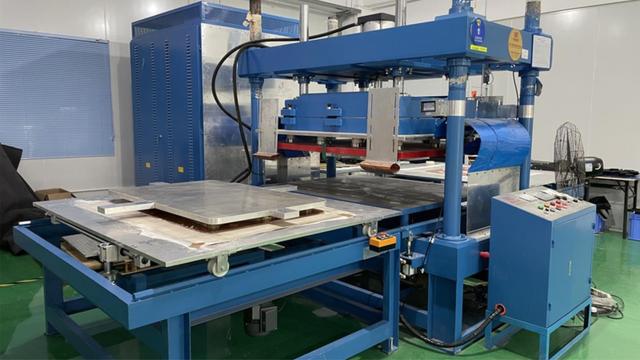
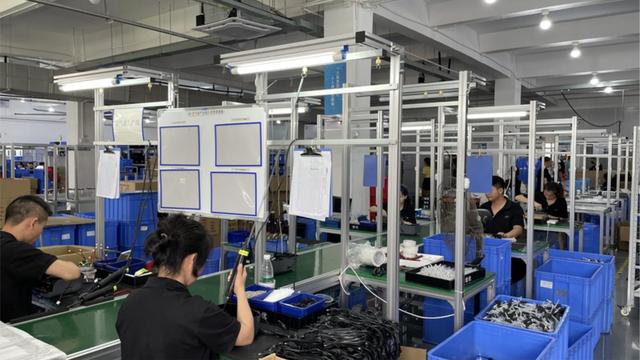
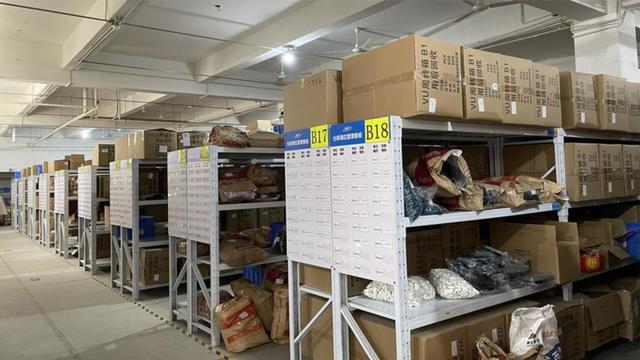
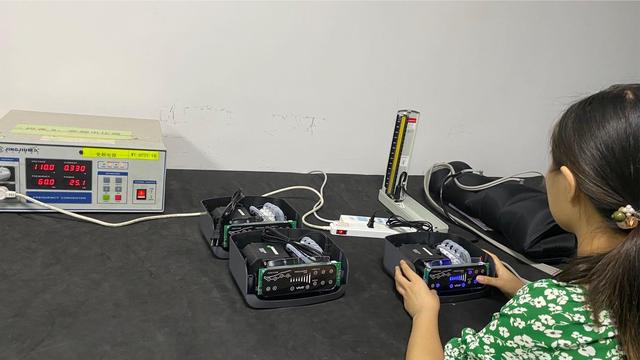
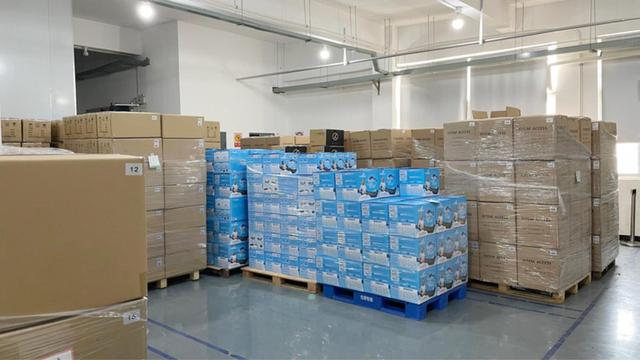
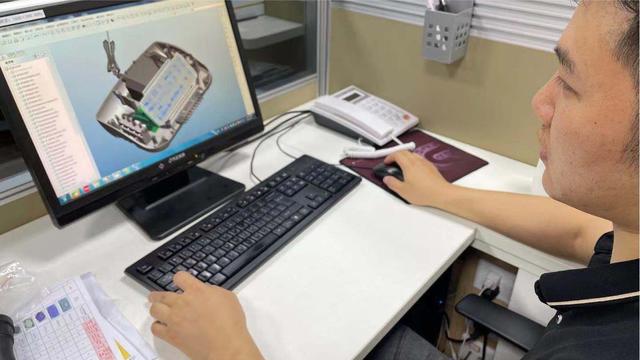
Healthcare procurement managers face the challenge of balancing strict budgets with the need for high-quality medical equipment. By purchasing directly from our facility in Hangzhou, global buyers can optimize their supply chain costs without compromising on safety or function. Our comprehensive OEM and ODM support allows us to customize bed rails, control panels, and backup battery systems to meet local medical device regulations in various target markets.
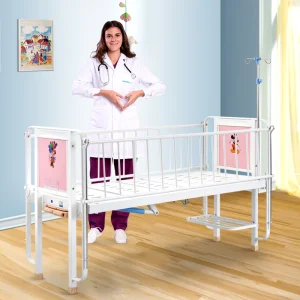
Medical care is highly context-dependent. The physical requirements for a pediatric patient recovering from surgery differ significantly from those of an ICU patient or an elderly person receiving home care. Below, we examine the typical clinical environments where Hangzhou Dgem Medical systems are deployed to support therapy and care.
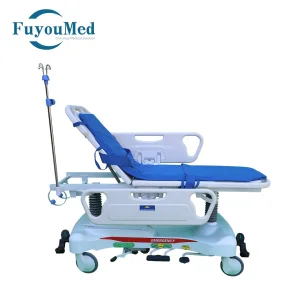
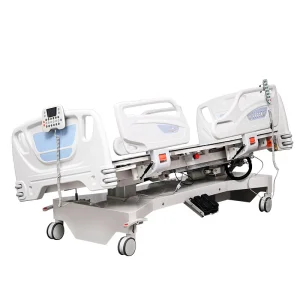
In the intensive care unit (ICU), patient positioning is vital for respiratory care and vascular circulation. Critical care beds must allow for rapid shifts between flat, semi-Fowler's, and Trendelenburg positions. Our advanced ICU electric beds feature dynamic scaling and X-ray transparent platforms. This lets clinical staff perform diagnostic imaging and monitor weight changes directly at the bedside, reducing the risks and discomfort of moving fragile patients.
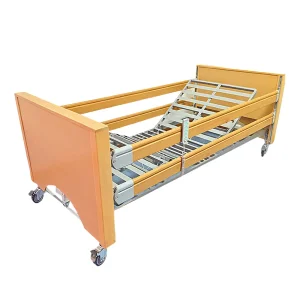
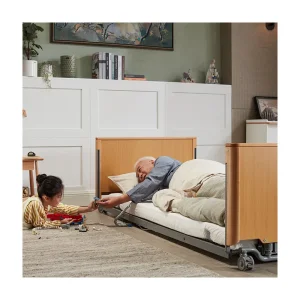
As populations age, home-based care and outpatient rehabilitation are becoming increasingly common. Patients recovering at home often face issues like limited mobility and digestive challenges. Our 5-function electric home care beds, designed with warm wood grains, blend comfortably into home environments while providing the safety features of a professional hospital bed. These models include adjustable side rails to prevent falls and easy-to-use controls that help patients and home caregivers manage daily positioning with ease.
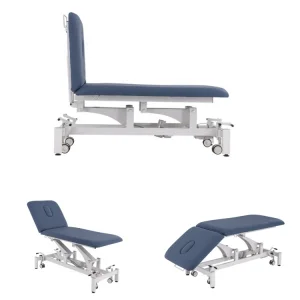
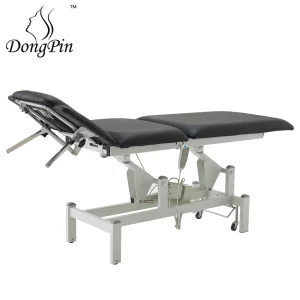
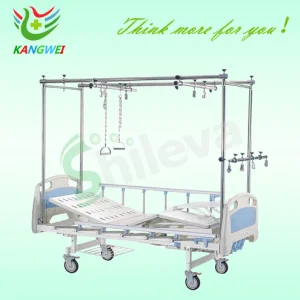
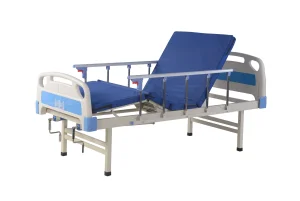
Patients with spinal injuries, fractures, or complex orthopedic issues need dedicated mechanical support. Our traction beds and multi-crank orthopedic manual beds feature integrated traction frames and adjustable pulleys. These mechanisms help maintain precise skeletal alignment, which is critical for relieving nerve pressure and supporting optimal recovery.
Explore detailed answers to common technical, regulatory, and clinical questions regarding hospital beds and patient support systems.
Designed to support orthopedic rehabilitation, long-term geriatric care, and clinical critical care workflows.
 Dgem Medical