Discover our core clinical hardware platforms engineered to support advanced biometric data collection and patient telemetry.
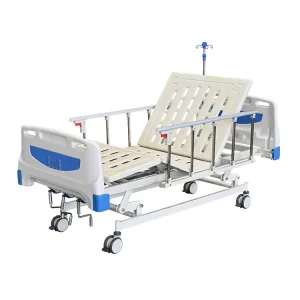
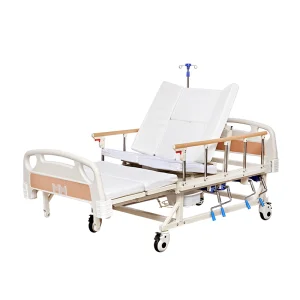
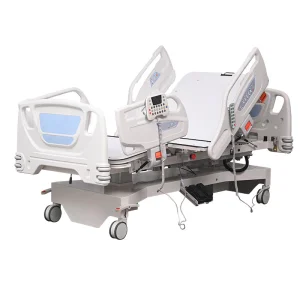
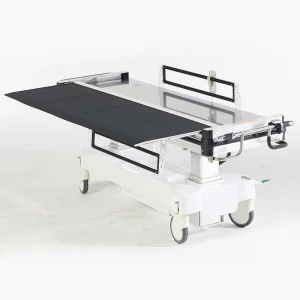
In the modern clinical landscape, the traditional hospital bed is transitioning from a passive utility asset to an active, sensor-laden edge device. Hangzhou Dgem Medical Co., Ltd. has positioned itself at the forefront of this revolution. We design, manufacture, and customize advanced healthcare systems that function as the primary data acquisition terminal at the patient's bedside.
By integrating high-accuracy physical load cells, intelligent air distribution control loops, and zero-latency wireless protocol modules, Dgem Medical transforms physical platforms into robust data nodes. This structural shift allows clinical institutions to collect longitudinal vital signs, sleep pattern vectors, pressure redistribution values, and exact weight metrics without adding wearable burdens to the patient.
Our core competence lies in providing healthcare brands, distributors, and large hospital networks with comprehensive OEM/ODM Health Data Analytics capabilities. Whether adapting automated tilt angles for pulmonary drainage or deploying sub-mattress piezoelectric sensor arrays, Dgem Medical delivers physical systems ready to interface with enterprise-grade clinical dashboards.
Integrated micro-sensors capture heart rate, respiration rate, and micro-movements through the mattress structure, filtering noise using edge-computed DSP algorithms.
Raw sensor streams are normalized and formatted for direct transmission to EHR/EMR platforms using HL7 FHIR protocols, enabling predictive fall warnings and pressure injury tracking.
All structural components are certified to CE and ISO standards, ensuring long-term reliability under rigorous continuous operation scenarios.
Understanding the convergence of aging demographics, healthcare staff shortages, and the imperative for passive patient monitoring.
Global health systems are facing a dual crisis: a rapidly expanding geriatric population requiring complex chronic care, and an unprecedented deficit in qualified clinical personnel. This bottleneck forces hospitals and long-term care facilities to seek passive telemetry solutions that reduce the physical workload of clinical rounds while enhancing patient safety. This structural challenge is driving the double-digit compound annual growth rate (CAGR) of the global Health Data Analytics market.
At the center of this technological pivot is the patient's immediate environment. Wearable patches, while effective, suffer from high compliance friction—patients remove them, batteries fail, and skin irritation limits their long-term viability. The hospital bed, conversely, represents a continuous, zero-contact physical interface that touches the patient 24 hours a day in acute settings.
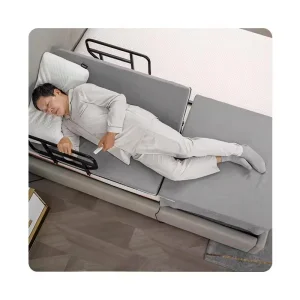
By embedding load cells directly into the frame structure of ICU beds and smart electric platforms, providers can calculate mass redistribution in real time. This assists in automated pressure ulcer prevention regimens (alternating pressure algorithms) and generates immediate warnings if a patient at high risk of falling attempts to exit the bed unassisted. This proactive diagnostic ecosystem is the primary value proposition driving modern healthcare procurement teams to demand smart, sensor-integrated medical furniture.
The technical roadmap detailing how raw physical signals are converted into actionable clinical dashboards.
Our physical systems incorporate load-cell transducers, non-invasive piezoelectric arrays, and mechanical angle sensors. The hardware continuously monitors total patient weight, physical movement patterns, heart rate, respiratory waveforms, and localized skin interface temperatures.
Microcontroller units (MCUs) mounted directly within the control box of the smart bed execute localized filtering. Using digital signal processing (DSP), the system filters out ambient machinery vibrations and target bed adjustment movements to prevent false clinical alerts.
Formatted packages are transmitted via secure Wi-Fi, Ethernet, or cellular networks. Supporting HL7 and FHIR standards, our systems interface directly with major Hospital Information Systems (HIS), supplying real-time monitoring software with accurate, structured patient status datasets.
How our diverse range of motorized, hydraulic, and smart systems resolve specific pain points in different departments.
In acute care, managing weight and patient position is vital. The Powerful ICU Bed: Weigh & X-ray for Critical Care offers continuous weight monitoring and integrated X-ray translucent cassettes, eliminating the need to move unstable patients. This hardware setup acts as a high-precision sensor point, collecting longitudinal fluid status data for early detection of congestive heart failure indicators or systemic edema.
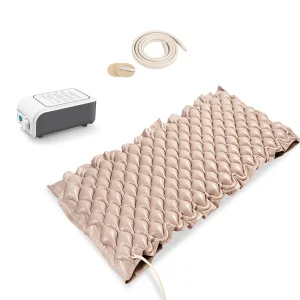
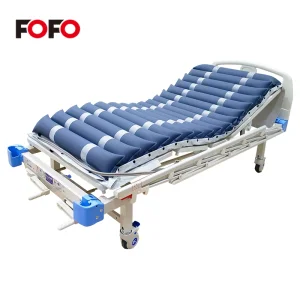
Pressure ulcers represent a significant cost in long-term care. Utilizing our Medical Anti Bedsore Decubitus Alternating Pressure Bubble Bed and associated sensor overlays, care teams can implement real-time interface pressure mapping. System adjustments occur dynamically: if the sensor detects sustained pressure on the sacrum, the integrated compressor adjusts air cell inflation autonomously, mitigating tissue damage before it begins.
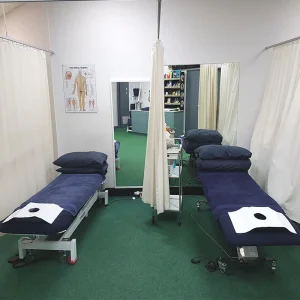
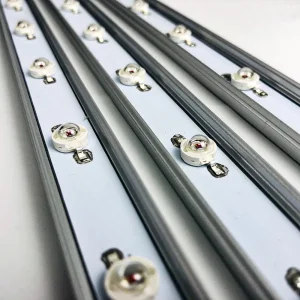
Beyond mechanical adjustments, our Lights Physical Therapy Equipment Professional Body Rehabilitation LED Light Bed represents a specialized therapeutic modality. It delivers precise, controlled wavelengths of light to stimulate cellular repair, reduce inflammation, and accelerate wound healing. We provide full customization of illumination cycles and intensity profiles, allowing developers to align therapies with clinical research parameters.
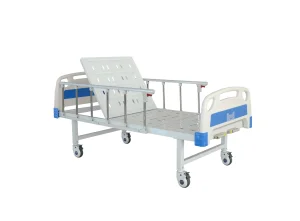
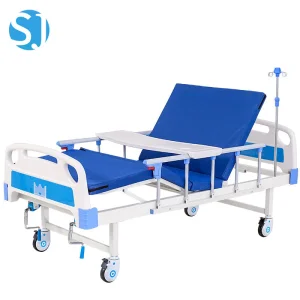
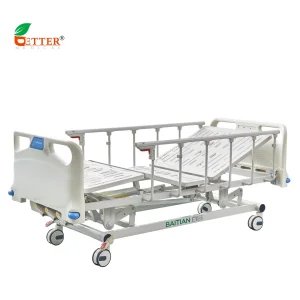
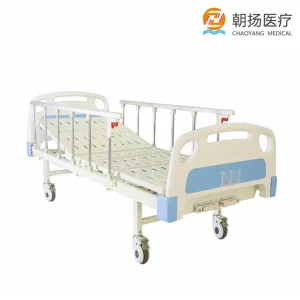
For regional medical centers balancing cost and functionality, our manual solutions—such as the China Manufacturer Economic Medical Clinic Medical 3 Crank Manual Hospital Patient Bed and the Manual 2 Crank 2 Function Nursing Bed—deliver essential ergonomic capabilities. These systems provide backrest and knee elevations via high-tensile steel cranks, ensuring long-term durability in resource-constrained environments.
End-to-end design, manufacturing, validation, and regulatory compliance pathways.
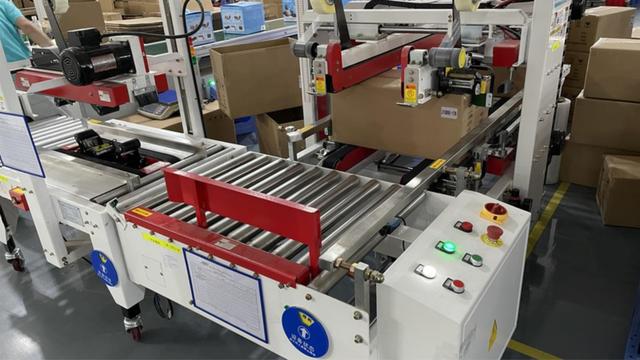
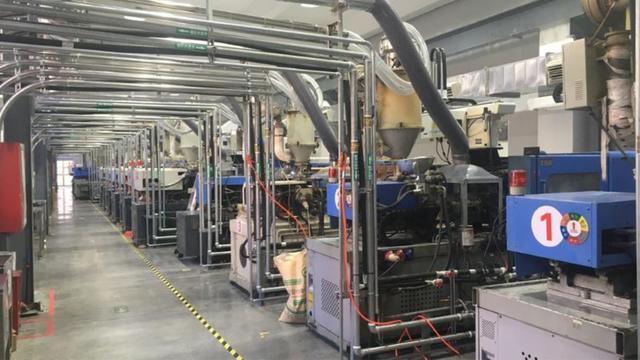
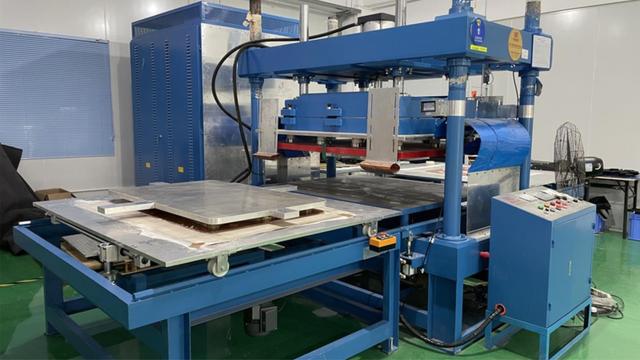
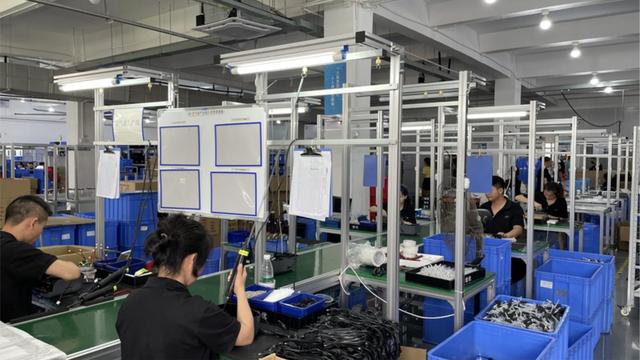
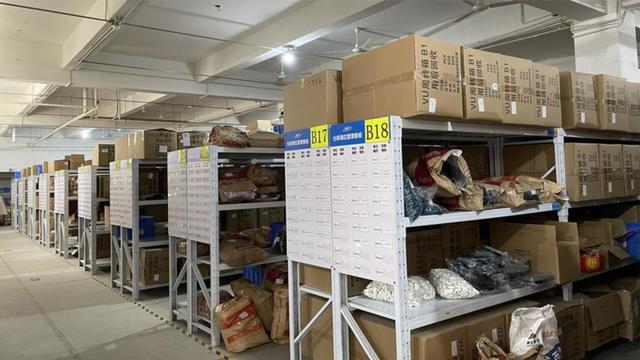
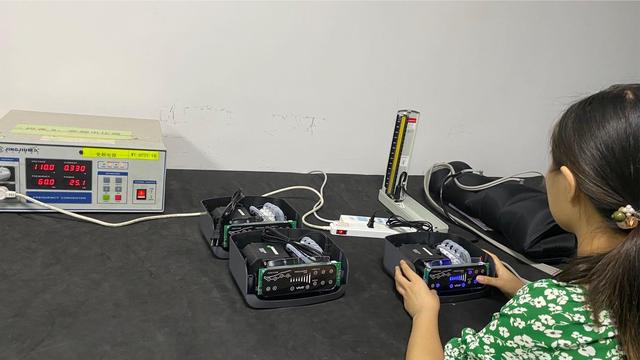
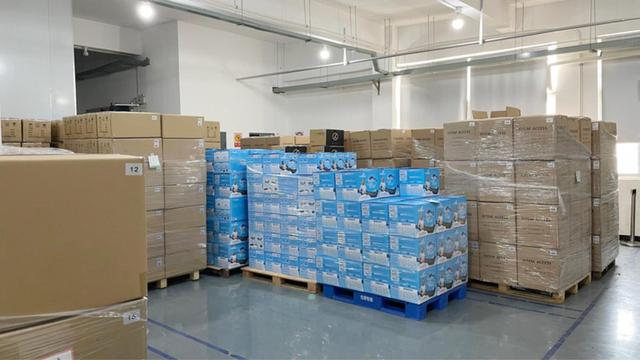
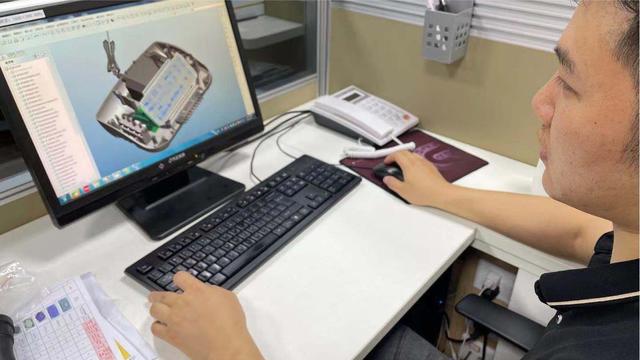
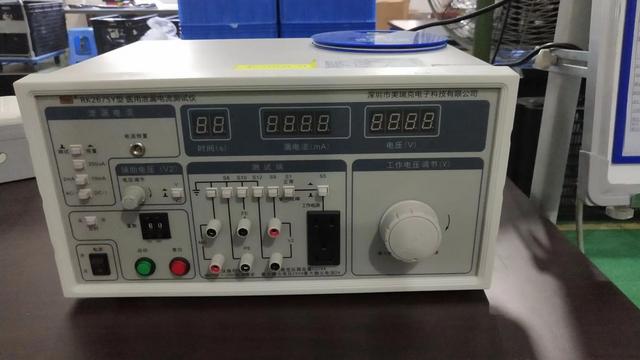
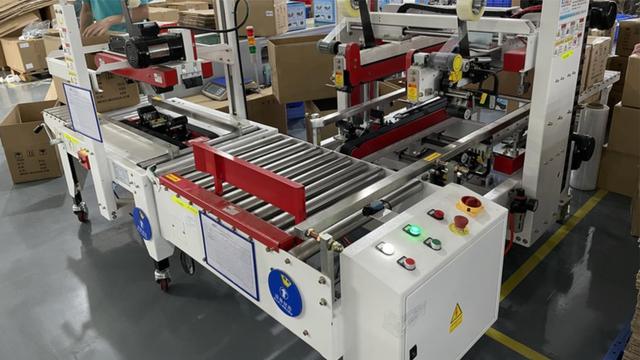
As an experienced OEM/ODM factory, Hangzhou Dgem Medical Co., Ltd. works directly with clients to translate ideas into certified medical hardware. We manage the process from layout and engineering design to metal fabrication, powder coating, assembly, calibration of load cells, and electrical isolation testing.
Our manufacturing facilities are equipped to customize control panels, motor actuators (e.g., Linak, Dewert, or top-tier domestic brands), caster configurations (central braking, directional tracking), and frame extensions to suit different hospital bed standards. We understand that medical equipment demands strict reliability, and we build systems to meet rigorous operating requirements.
Answering developer, engineer, and clinical buyer questions regarding our OEM/ODM smart platforms.
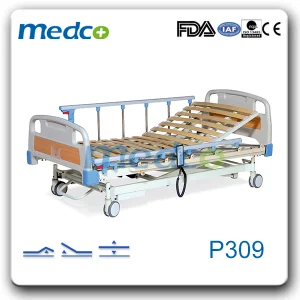
From smart electric nursing structures to therapeutic LED beds, our hardware provides physical comfort and digital connectivity.
 Dgem Medical