In the rapidly evolving world of healthcare, the demand for high-performance Emergency Response Kits and patient transfer equipment has reached unprecedented levels. Globally, the industrial status of emergency medical devices is characterized by a transition from traditional manual systems to sophisticated, automated, and IoT-integrated solutions. As hospitals strive for "Gold Hour" efficiency—the critical first hour after a traumatic injury—the role of manufacturers and suppliers has become pivotal.
Current industrial data suggests that the emergency response market is no longer just about providing first-aid kits; it involves a complex ecosystem of hydraulic transfer beds, electric stretchers, and mobile ICU units. With the rise of an aging global population and the increasing frequency of public health emergencies, top-tier manufacturers are focusing on durability, rapid deployment, and ergonomic safety for both patients and medical staff.
The global emergency medical equipment market is projected to grow significantly as developing nations modernize their healthcare infrastructure and developed nations upgrade to smart-beds.
Integration of AI-driven diagnostics and remote monitoring within transfer trolleys is setting a new standard for top 10 suppliers in the industry.
Manufacturers are moving toward vertical integration to ensure that components like hydraulic pumps and electric motors meet medical-grade standards without delay.
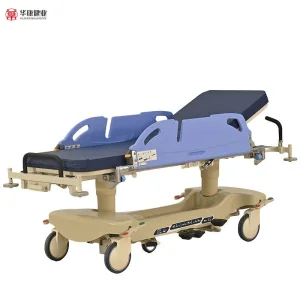
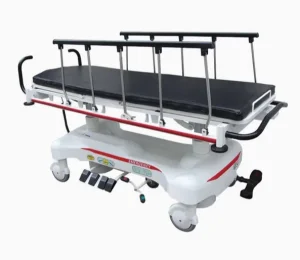
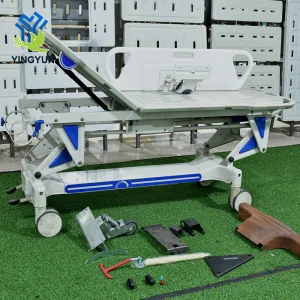
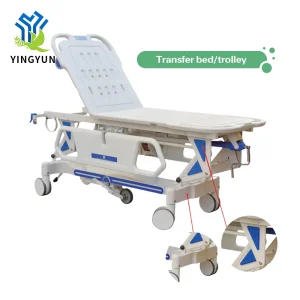
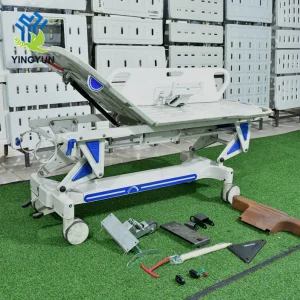
The "Emergency Response" sector is undergoing a massive transformation driven by AI and Smart Engineering. We are seeing a shift from "reactive" equipment to "proactive" patient care systems. Modern hydraulic transfer trolleys now feature weight sensing, auto-braking, and one-button height adjustment, reducing the physical strain on nurses and paramedics.
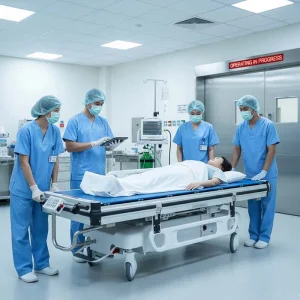
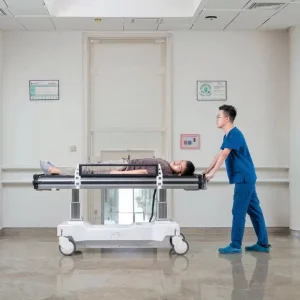
Top manufacturers are incorporating motorized assist functions into emergency stretchers. This trend allows a single operator to move a patient weighing over 200kg through hospital corridors effortlessly, which is critical during mass casualty incidents where staff resources are stretched thin.
Post-pandemic, the demand for surfaces that inhibit bacterial growth has surged. High-quality suppliers now use specialized ABS plastics and powder coatings that stand up to rigorous chemical disinfection without degrading.
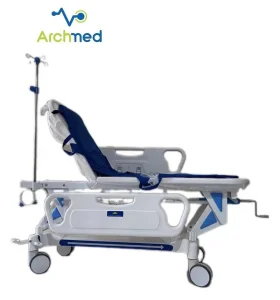
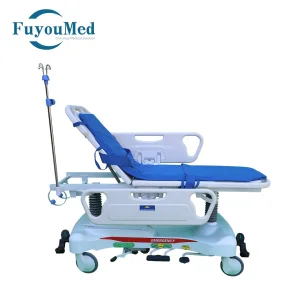
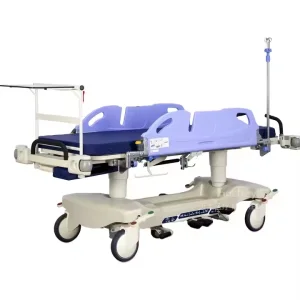
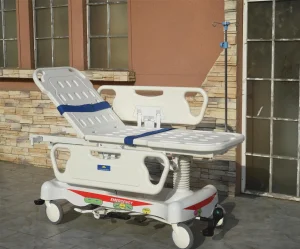
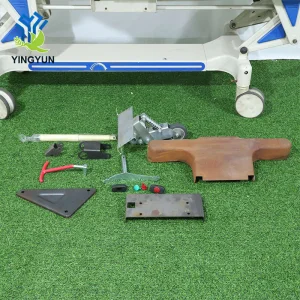
Versatility is key. Today’s emergency beds are designed with optional accessories—oxygen tank holders, IV poles, and monitor stands—that can be attached or detached in seconds, transforming a simple transport trolley into a mobile treatment unit.
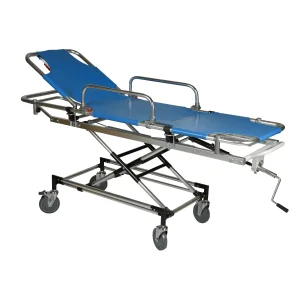
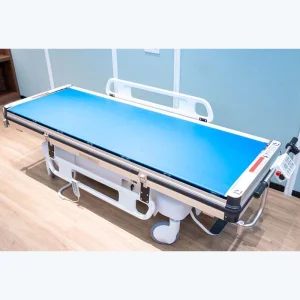
For high-traffic emergency rooms, procurement focuses on Hydraulic Patient Transfer Beds with X-ray translucent platforms, allowing for immediate imaging without moving the patient.
Localized needs for EMS often prioritize weight and folding capabilities. Lightweight aluminum alloy stretchers that can securely lock into ambulances are the top priority here.
Large-scale procurement for international aid requires stackable, durable, and cost-effective manual beds that can operate in environments without stable electricity.
Global procurement teams are increasingly looking for suppliers who offer more than just a product. They require comprehensive technical support, long-term parts availability, and strict compliance with CE and FDA certifications. As a leading manufacturer, understanding these localized nuances—from the narrow hallways of urban European hospitals to the rugged requirements of mobile field hospitals—is what separates a supplier from a strategic partner.
Hangzhou Dgem Medical Co., Ltd. is a professional manufacturer specializing in advanced hospital bed solutions, delivering high-quality electric, manual, and smart patient care systems for global healthcare environments. With a strong focus on innovation, precision engineering, and patient-centered design, the company has established itself as a reliable partner for hospitals, nursing homes, rehabilitation centers, and home care providers.
Dgem Medical offers a comprehensive product portfolio, including electric hospital beds, manual nursing beds, ICU critical care beds, and intelligent smart beds equipped with integrated monitoring and remote control functions. Each product is designed to enhance patient comfort, improve caregiver efficiency, and meet strict international healthcare standards.
Backed by a skilled R&D team and modern manufacturing facilities, Hangzhou Dgem Medical integrates advanced technologies such as IoT connectivity and ergonomic design into its solutions. The company emphasizes durability, safety, and ease of operation, ensuring long-term value for medical institutions.
Committed to quality and global service, Dgem Medical adheres to rigorous quality control systems and provides flexible OEM/ODM services to meet diverse market demands. With a growing international presence, the company continues to support healthcare providers worldwide by delivering reliable, efficient, and innovative patient care equipment.
When sourcing for "Top 10 Emergency Response Kits," the role of Chinese factories cannot be overstated. As the "World's Factory," China—and specifically Hangzhou Dgem Medical—offers a unique combination of advantages that are hard to replicate elsewhere:
We leverage mature industrial supply chains to source high-grade steel and medical components at lower costs, passing those savings directly to our global clients without compromising on ISO-certified quality.
Our R&D team can turn a conceptual design for a custom transfer trolley into a physical prototype in record time, allowing medical institutions to test localized modifications quickly.
Whether it’s a single private clinic or a government tender for 1,000 emergency beds, our facility is equipped to handle mass supply with consistent precision and strict lead-time management.
By choosing Hangzhou Dgem Medical, you are not just buying a bed; you are investing in a partnership that values transparency, engineering excellence, and the ultimate goal of saving lives through better medical equipment.
 Dgem Medical