Home nursing is becoming a practical answer to rising care demands and patient preferences. The World Health Organization’s State of the World’s Nursing 2020 report identified a global shortage of 5.9 million nurses. That gap makes safe, organized home care increasingly important. The AARP Home and Community Preferences Survey found that 77% of adults aged 50 and older want to remain in their current homes. Familiar rooms can support comfort, dignity, and emotional stability. A quiet bedroom, a reachable call device, and clear walking paths can make daily care safer.
So, what is the best solution for home nursing setup? It is not simply buying a hospital bed or hiring a caregiver. A reliable setup combines professional assessment, suitable equipment, infection-control routines, medication organization, and emergency planning. Nurses should review mobility, breathing, nutrition, skin condition, and fall risks. Families also need clear instructions and realistic responsibilities. The WHO Global Patient Safety Action Plan 2021–2030 emphasizes safer systems, communication, and active patient involvement. These principles apply inside the home, not only in hospitals.
Yet a home is not a hospital. No setup is perfect. A checklist may miss a loose rug, poor lighting, or a caregiver’s fatigue. Regular reassessment matters. Clinical judgment must remain central, especially when symptoms change. Evidence supports home-based care, but quality depends on implementation. This introduction examines why thoughtful home nursing setup can improve safety, independence, and continuity of care. It also considers the limitations that professionals and families should openly recognize.
Why Is Home Nursing Setup the Best Solution?
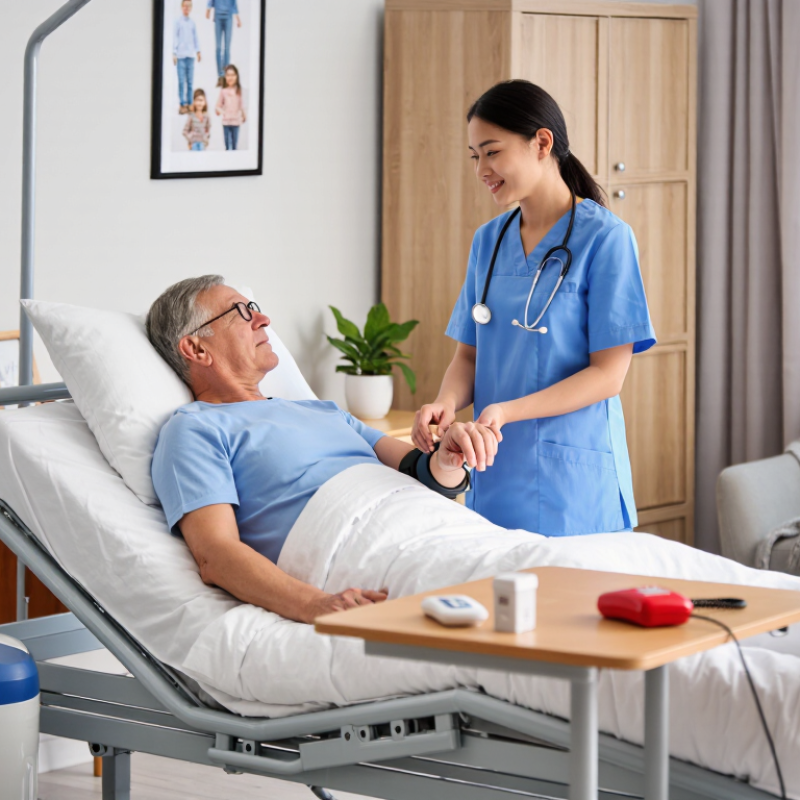
Home nursing setup means arranging professional care inside a patient’s home. It may include a qualified nurse, a written care plan, basic medical equipment, medication monitoring, and family guidance. The setup begins with an assessment of mobility, symptoms, home safety, and daily routines. A nurse may check blood pressure beside the kitchen table, help with wound care, or record changes after surgery.
This service can support older adults, people with disabilities, patients recovering from an operation, and those managing long-term conditions. It can also help individuals who need comfort-focused care at home. Families may benefit when care needs become difficult to manage alone. A clear schedule can reduce missed medication, unsafe transfers, and unnecessary travel to clinics. Small details matter.
However, home nursing is not automatically the perfect answer. Some patients need hospital monitoring or urgent treatment. A licensed healthcare professional should decide whether home care is suitable, based on medical needs and local regulations. The home may also require better lighting, handrails, a clean care area, or emergency contact information. I think families sometimes underestimate this preparation. Regular reassessment is important because a patient’s condition can change quickly, even when the first week seems stable.
| Data Dimension | What It Means | Who May Need It | Practical Value |
|---|---|---|---|
| Definition | A coordinated care arrangement that delivers nursing assessment, treatment, monitoring, education, and support in a person’s home. | People who are recovering, living with a chronic condition, managing disability, or experiencing reduced ability to perform daily activities. | Provides professional care in a familiar environment while supporting continuity between the patient, family, and healthcare team. |
| Skilled Nursing Care | May include wound care, medication support, injections when prescribed, catheter care, vital-sign monitoring, and post-treatment observation. | Patients with complex medical needs or care instructions that require assessment by a licensed nurse. | Helps identify changes in health status early and promotes correct completion of an established care plan. |
| Recovery After Hospitalization | Short-term home visits and follow-up support after surgery, illness, injury, or hospital discharge. | Adults and older people who are medically stable but still need monitoring, education, or assistance at home. | Supports a safer transition home and helps the patient and family understand warning signs and care instructions. |
| Chronic Condition Management | Regular assessment, symptom tracking, self-care education, and reinforcement of prescribed treatment routines. | People living with conditions such as diabetes, heart disease, respiratory disease, or neurological disorders. | Encourages consistent self-management and can help the care team respond to changes before they become urgent. |
| Medication Support | Medication reconciliation, schedule education, adherence support, and observation for possible side effects, within the nurse’s scope of practice. | People taking multiple medicines or those who have difficulty understanding, organizing, or safely using prescriptions. | Reduces confusion and helps ensure that medication concerns are communicated to the prescribing clinician. |
| Daily Living Assistance | Help with activities such as bathing, dressing, grooming, meal preparation, mobility, and basic household routines, depending on the service plan. | People with physical limitations, frailty, temporary injury, or difficulty living independently. | Supports independence, dignity, and safer daily routines while reducing pressure on family caregivers. |
| Mobility and Fall Prevention | Observation of movement risks, safe transfer guidance, home-safety education, and coordination with rehabilitation professionals when appropriate. | Older adults, people with weakness or balance problems, and patients recovering from injury or surgery. | Promotes safer movement and can help identify environmental hazards that increase fall risk. |
| Caregiver Education | Instruction on routine care, equipment use, nutrition-related routines, infection prevention, symptom observation, and escalation procedures. | Family members or informal caregivers who provide regular support at home. | Improves caregiver confidence and clarifies when to contact a healthcare professional or seek emergency help. |
| Comfort-Focused and Palliative Support | Care focused on comfort, symptom relief, emotional support, and coordination with the person’s medical and family support network. | People with serious or advanced illness whose goals include comfort and quality of life. | Allows care goals to be discussed in a familiar setting and supports the patient and family during a demanding period. |
| Personalization | Visit frequency, tasks, communication methods, and care goals are adjusted according to clinical needs and the agreed care plan. | Patients whose needs change over time or who require different levels of support during recovery. | Avoids a one-size-fits-all approach and keeps care focused on measurable patient priorities. |
| Main Benefits | Familiar surroundings, reduced travel burden, family involvement, convenient follow-up, and care that is integrated into daily routines. | Patients who are medically appropriate for home care and have a safe environment or available support. | Makes ongoing care more convenient while maintaining communication with the broader healthcare team. |
| Important Limitations | Home nursing is not a substitute for emergency services or continuous hospital-level monitoring when a person is unstable. | Anyone with severe breathing difficulty, chest pain, sudden weakness, uncontrolled bleeding, or another medical emergency needs urgent medical attention. | A clinician should assess whether home care is safe, appropriate, and consistent with the patient’s medical needs. |
| Typical Setup Requirements | A care assessment, written goals, medication and treatment information, emergency contacts, a safe care area, and clear communication with the healthcare team. | Patients, families, caregivers, and healthcare professionals coordinating home-based care. | Creates a structured plan, clarifies responsibilities, and supports safer delivery of care at home. |
Note: The appropriate level of home nursing should be determined by a qualified healthcare professional after reviewing the patient’s condition, safety needs, and care goals.
It arranges professional nursing care inside a patient’s home. A nurse may check blood pressure beside the kitchen table. The setup can include a care plan, equipment, medication monitoring, and family guidance.
Older adults, people with disabilities, and patients recovering from surgery may need it. It can also support people managing long-term conditions. Some individuals need comfort-focused care at home. Needs can change quickly.
No. Some patients need hospital monitoring or urgent treatment. A licensed healthcare professional should assess medical needs, home conditions, and local requirements. A familiar room cannot replace emergency care.
Equipment may include an adjustable bed, pressure-relief mattress, wheelchair, and shower chair. Transfer aids can reduce unsafe lifting. A thermometer, blood-pressure monitor, pulse oximeter, and medication organizer may also help. Equipment alone is not enough.
Services may include wound care, injections, medication review, and physical therapy support. Nurses can teach families safer transfers and daily care tasks. They may document symptoms and report important changes. Clear records matter.
Remove loose rugs and narrow obstacles from walking routes. Add bright night lighting and keep a stable chair nearby. Store common supplies at waist height. Keep emergency numbers beside the bed.
Label medication times clearly and record every dose immediately. Keep a printed care plan beside the phone. Use hand hygiene before and after care. Small gaps matter. Ask the patient to demonstrate important tasks, not merely say “yes.”
Review it after a fall, hospital discharge, medication change, or new symptom. Reassess when a new caregiver arrives. Test the call system weekly and check cords, oxygen equipment, and emergency contacts. No setup is flawless. Families may overlook fatigue, loneliness, or burnout.
Home nursing setup is a coordinated care arrangement that brings essential medical support, daily assistance, and safety measures into a patient’s home. It is suitable for older adults, people recovering from surgery or illness, individuals with disabilities, and anyone managing long-term health needs. By organizing medication routines, personal care, mobility assistance, nutrition, monitoring, and communication with healthcare professionals, it helps patients receive consistent support while remaining in a familiar environment. For families asking, “what is the best solution for home nursing setup,” the answer depends on the patient’s condition, home environment, and level of required care.
A safe and effective setup may include a suitable bed, mobility aids, monitoring tools, hygiene supplies, emergency contacts, and trained caregivers. Care plans should be personalized, regularly reviewed, and supported by clear infection-control and fall-prevention practices. Home nursing can improve comfort, independence, continuity of care, and family confidence, but it may also require significant time, space, coordination, and expense. It cannot replace hospital treatment when urgent or highly specialized medical attention is necessary.

 Dgem Medical