In modern healthcare, the question of "why do hospitals use multi-function beds" emerges as a critical point. Multi-function beds play a pivotal role in enhancing patient care. These beds are not just for comfort; they provide essential features to assist both patients and healthcare providers.
Such beds allow for easy adjustments to various positions, promoting better circulation and comfort for patients. They often include features like adjustable height, built-in scale, and even massage options. These enhancements can lead to shorter recovery times and improved patient satisfaction. However, the reliance on these beds raises questions about the balance between technology and personal touch in care.
Yet, not all feedback on multi-function beds is positive. Issues such as mechanical failures and the complex operation can frustrate staff and compromise patient safety. There's an ongoing need for training and support for hospital staff to ensure they can use these beds effectively. Thus, while these innovations have revolutionized patient care, hospitals must also evaluate their limitations.
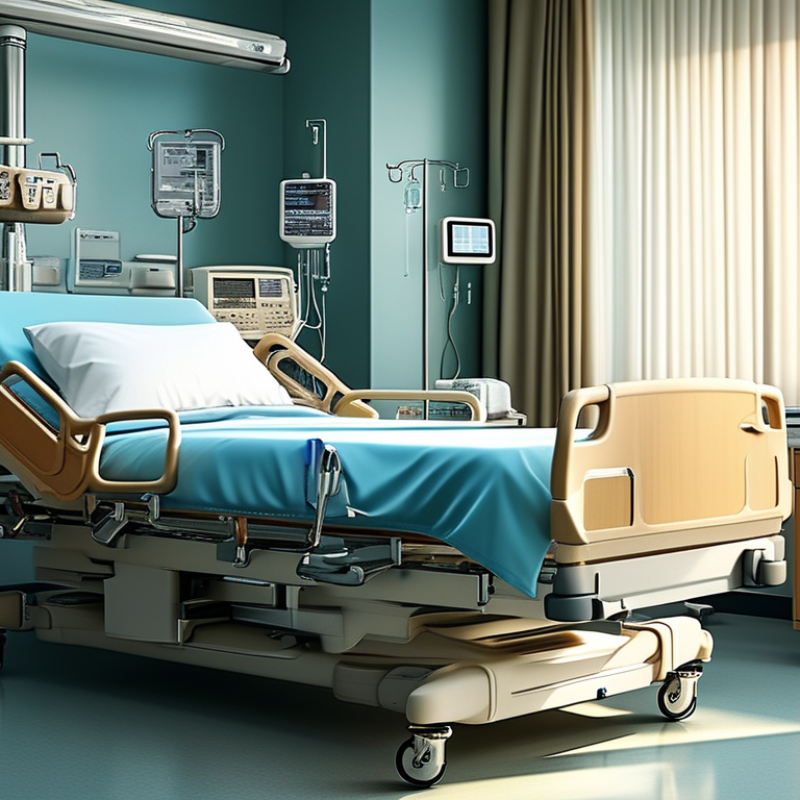
Benefits of Multi-Function Beds in Hospital Settings
Multi-function beds in hospitals are essential for improving patient care. These beds have numerous adjustable features that promote comfort and safety. Nurses can easily reposition patients, reducing the risk of bedsores and encouraging mobility. This is crucial for recovery and rehabilitation.
The versatility of multi-function beds allows them to cater to different patient needs. For instance, patients with respiratory issues may benefit from an elevated head position. Post-surgery patients might need specific angles for optimal healing. However, not all beds are created equal. Some facilities might lack the latest models, leading to awkward adjustments during care.
These beds also enhance the workflow for healthcare providers. With built-in tools, nurses can streamline their tasks, making them more efficient in their duties. Yet, reliance on technology can sometimes create overdependence, raising questions about the balance between manual care and machine assistance. Overall, while multi-function beds present many benefits, ongoing assessment of their effectiveness in individual care settings is necessary.
Key Features of Multi-Function Beds for Patient Care
Multi-function beds are a cornerstone of modern patient care in hospitals. These beds offer several key features that enhance the comfort and well-being of patients. One major benefit is the adjustability. Healthcare providers can elevate or lower different sections of the bed. This capability helps with patient positioning, which is crucial for recovery.
Another important feature is the integrated mobility aids. Many multi-function beds come with wheels and locking mechanisms. This feature allows for easy movement and stability. Medical staff can reposition patients without much effort. This reduces physical strain on caregivers, making the job less taxing.
Moreover, some models include built-in technology for monitoring vital signs. This technology provides real-time data to healthcare professionals. While these features improve care, they also raise concerns. Not all facilities can afford top-tier models. Some beds lack essential functions, leading to inconsistent patient experiences. Balancing cost and functionality remains a challenge for many hospitals.
Impact on Patient Comfort and Recovery Times
Multi-function beds have transformed patient care in hospitals. These beds adjust in various ways, providing optimal comfort during recovery. Adjustable head and foot rests allow patients to find their ideal position. This flexibility can reduce pain and promote relaxation.
Patients feel more in control when they can adjust their beds. Such autonomy can alleviate anxiety levels. Enhanced comfort often leads to improved sleep quality, which is crucial for recovery. Sleep allows the body to heal and regenerate.
However, not all patients respond the same way. Some may still feel discomfort despite adjustments. This highlights the need for ongoing communication between patients and healthcare providers. Continuous feedback can help improve bed features and overall care. Each patient has unique needs, and those must be addressed individually for effective recovery.
Integration of Technology in Multi-Function Beds
Multi-function beds have become essential in modern patient care, integrating advanced technology to improve comfort and outcomes. These beds are no longer just adjustable surfaces. They now feature built-in monitoring systems. Reports indicate that hospitals utilizing these beds see a reduction in patient falls by up to 30%. This statistic highlights the importance of stability and adaptability in patient environments.
For example, multi-function beds often have pressure redistribution capabilities. These features help prevent bedsores, a common issue in immobile patients. A study from the American Hospital Association points out that pressure injuries cost hospitals over $11 billion annually. Hospitals employing advanced beds can mitigate these costs significantly. Moreover, beds that allow easy patient mobility encourage engagement. Technology like built-in scale functions can track patient weight without the need for transfers, reducing the risk of injury.
However, the reliance on technology in hospital settings raises concerns. While these beds can provide essential data, they also require staff training. Some healthcare workers struggle to adapt to the technology. The integration of these beds must be executed thoughtfully. It is crucial to balance the benefits of innovation with the roadblocks stemming from inadequate training. Ensuring that staff are proficient with these systems can lead to better care and a more efficient healthcare environment.
Integration of Technology in Multi-Function Beds
Cost-Effectiveness and Efficiency in Hospital Operations
Multi-function beds have become essential in modern hospitals, optimizing both cost-effectiveness and operational efficiency. These beds are designed to cater to various patient needs, enabling healthcare providers to deliver exceptional care. According to a 2022 report by the American Hospital Association, hospitals can reduce labor costs by up to 20% when utilizing multi-function beds effectively. This reduction is achieved through fewer staff requirements for repositioning or specialty care tasks.
Investing in advanced beds may seem expensive initially. However, facilities often see returns from decreased patient turnover and shorter stays. The National Health Service (NHS) reported that multi-function beds helped reduce patient falls and associated complications by 30%, leading to significant savings on treatment costs. This level of care ultimately helps hospitals allocate resources more effectively.
Tips: Ensure staff receive thorough training on bed functionalities. Empowering staff increases comfort and safety for patients. Regularly assess the condition of beds to maximize their durability and performance. Engage patients in their care plans, as their feedback can highlight areas that need improvement. Continuous reflection on bedside practices can lead to better outcomes.
FAQS
: They cater to various patient needs and improve comfort in patient care.
They can reduce patient falls by up to 30%, enhancing overall safety.
They often include pressure redistribution capabilities to protect immobile patients.
Hospitals may save over $11 billion annually on pressure injuries by using these beds.
Yes, staff training is crucial for effectively utilizing the technology and ensuring safety.
Some healthcare workers may struggle to adapt, affecting the quality of patient care.
They track patient weight without requiring transfers, reducing injury risks.
Engaging patients can improve care plans and highlight areas needing improvement.
It maximizes durability and performance, ensuring better patient outcomes.
High initial costs can deter investment, despite potential long-term savings.
Conclusion
Hospitals increasingly adopt multi-function beds for patient care due to their numerous benefits and features. These beds are designed to enhance patient comfort and optimize recovery times by allowing various adjustments that cater to individual needs. By improving the positioning and accessibility for both patients and healthcare providers, multi-function beds play a crucial role in enhancing the overall patient experience.
In addition to comfort, the integration of advanced technology in these beds facilitates better monitoring and management of patient conditions. Furthermore, hospitals find these beds to be cost-effective, as they can streamline operations and reduce the need for multiple types of equipment. Ultimately, understanding why do hospitals use multi-function beds highlights their essential role in improving patient outcomes while increasing efficiency in healthcare settings.

 Dgem Medical