In modern healthcare, the question arises: why do hospitals use multi-function beds? These beds are designed with advanced features that enhance patient comfort and care. They adjust to various positions, aiding mobility for patients with different needs. This flexibility not only improves patient experience but also assists healthcare staff.
Multi-function beds are invaluable in critical care settings. They allow easier access for medical interventions while ensuring safety. The ability to elevate or recline provides significant benefits for patients recovering from surgery or illness. Thoughtfully designed beds can help prevent complications, such as bedsores, which are a concern for immobile patients.
However, there are challenges in implementing these systems. Some healthcare facilities struggle with the costs associated with high-quality multi-function beds. Additionally, training staff to use these beds effectively is crucial. The combination of technology and caregiving must always be balanced, reflecting the ongoing evolution of patient care practices in hospitals.
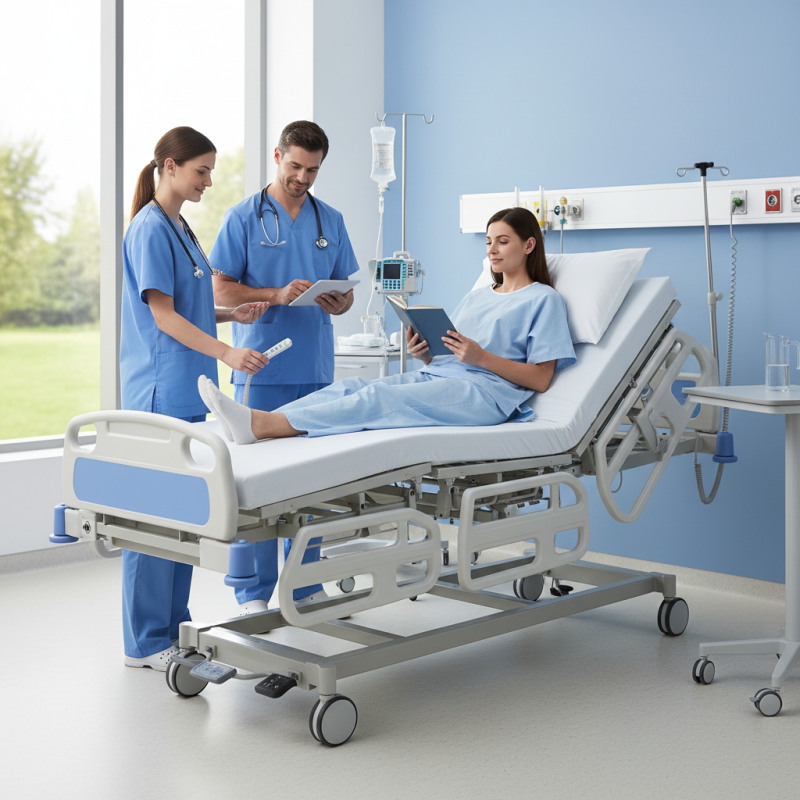
Multi-function beds have transformed patient care in hospitals. These beds can be adjusted in various ways. Features like height adjustment and reclining options provide significant benefits. They enhance patient comfort and promote better mobility. Patients can find their optimal position, reducing discomfort during healing. This flexibility caters to different medical needs, allowing for personalized care.
Moreover, these beds support caregivers too. They can easily access patients without straining their backs. This reduces the risk of injury for healthcare workers. Additionally, multi-function beds often come with built-in safety features. Side rails and locking wheels ensure patient safety during movements. Hospitals appreciate this dual benefit, where patients are comfortable and caregivers are at ease.
Despite these advantages, some might argue that multi-function beds can be complex. Not all staff may be fully trained to operate them. This can lead to hesitance during critical moments. It's essential to invest time in training and integration. It sheds light on the need for continuous improvement in equipment usability. This ensures that both patients and healthcare professionals can reap the full benefits.
Multi-function beds have become a preferred choice in hospitals due to their enhanced safety features. These beds are designed to adapt to various patient needs. Each bed can elevate, recline, or adjust to ensure optimal comfort. This adaptability is crucial for preventing pressure sores. It reduces the risk of falls and injuries.
The built-in safety features of multi-function beds include side rails that can be easily maneuvered. These rails provide additional support for patients during transfers. Moreover, many beds have alarms that notify staff if a patient attempts to get up without assistance. This immediate alert system is vital in high-risk cases, where falls can be life-threatening.
While multi-function beds offer many benefits, challenges exist. Maintenance of these advanced systems can be complex. Sometimes, the technology may fail, leading to delays in care. Staff must receive proper training to use these beds effectively. Despite these drawbacks, their role in enhancing patient safety remains significant. Hospitals continue to explore solutions to optimize their usage.
Multi-function beds are increasingly seen as a cost-effective solution in healthcare settings. These beds provide versatility, accommodating various patient needs. They can adjust to different positions for comfort and treatment, reducing the need for multiple bed types. This adaptability can lead to significant savings on equipment costs.
Healthcare facilities often face budget constraints. Investing in multi-function beds can streamline operations. Fewer bed types mean simplified maintenance and training for staff. With a focus on improving patient outcomes, facilities can see a return on investment through enhanced care quality. The efficiency these beds bring can also minimize disruptions in patient flow.
**Tips:** Always evaluate the specific needs of your facility before purchasing. Consider factors like space, patient demographics, and staff training requirements. Regularly assess the functionality and comfort of the beds to ensure they meet evolving patient needs. Keep in mind that technology can fail, so have backup plans in place.
The chart above illustrates the annual cost comparison between standard hospital beds and multi-function beds. The data indicates that multi-function beds offer significant cost savings, making them a preferred choice for healthcare facilities seeking cost-effectiveness in patient care.
Multi-function beds are becoming essential in hospitals. Their design promotes better recovery for patients. Research shows that patients using these beds experience quicker healing times. A study from the Journal of Clinical Nursing revealed a 30% reduction in recovery times for post-operative patients in multi-function beds versus traditional beds. This improvement is largely due to increased comfort and ease of movement.
The versatility of multi-function beds allows for adjustments that support various medical needs. For instance, the ability to elevate the head and legs can reduce pressure ulcers. Reports indicate that 60% of patients in multi-function beds reported less pain during their stay. Yet, hospitals must ensure staff are trained properly on these beds. Without proper training, the benefits might not be fully realized.
Comfort is vital, but the reliability of these beds also matters. A study noted that nearly 25% of hospitals experienced issues with bed malfunctions. These incidents can delay patient care and frustrate staff. While multi-function beds have clear advantages, consistent maintenance and staff training are crucial for maximizing their potential.
Multi-function beds have become increasingly vital in modern healthcare settings. These beds are not just furniture; they are sophisticated tools for improving patient care. The integration of technology in their design enhances efficiency and convenience for both patients and healthcare providers.
Recent reports indicate that over 75% of hospitals are adopting multi-function beds to streamline processes and improve patient outcomes. These beds often come equipped with built-in digital systems. These systems can monitor vital signs, adjust the bed position remotely, and even communicate with nurses. Such features can significantly reduce response times in critical situations.
However, there can be challenges. Training staff to use advanced technology effectively is essential but often overlooked. Reports indicate that 30% of nurses feel unprepared to utilize these sophisticated beds optimally. As hospitals invest in these technologies, they must balance innovation with practical training and support. Emphasis on usability and ease of training will be crucial to fully leverage the benefits of multi-function beds.
| Feature | Benefits | Technology Integration | Impact on Patient Care |
|---|---|---|---|
| Adjustable Height | Enhances accessibility for staff and patients | Height adjustment controls | Improves comfort and reduces strain during care |
| Trendeleburg/Reverse Trendelenburg | Facilitates circulation and recovery | Automated positioning systems | Enhances patient outcomes post-surgery |
| Built-in Vital Signs Monitors | Continuous monitoring without extra devices | Integrated sensor technology | Quick response to changes in condition |
| Bed Exit Alarm | Prevents falls and enhances patient safety | Smart alert systems | Increases security for vulnerable patients |
| Convenient Storage Options | Organizes medical supplies and personal items | Built-in compartments | Reduces clutter, improves workflow |
| Patient Controlled Features | Empowers patients to adjust their environment | User-friendly control panels | Increases patient satisfaction and comfort |
: Multi-function beds are designed to adapt to various patient needs, ensuring optimal comfort and safety.
Side rails provide support during transfers, reducing the risk of falls and injuries while assisting patients.
These beds often have alarms notifying staff if a patient tries to get up without assistance.
Maintenance can be complex, and technology failures may delay patient care and response times.
Proper training helps staff utilize advanced features effectively, yet many feel unprepared for this task.
They come equipped with digital systems that monitor vital signs and remotely adjust positions for quicker responses.
Over 75% of hospitals are adopting these beds to streamline processes and improve patient outcomes.
Hospitals need to balance innovation with practical staff training and usability to maximize benefits.
Reports show that 30% of nurses feel unprepared to use these sophisticated beds effectively.
Their role in enhancing patient safety is significant, although challenges in training and technology persist.
Hospitals increasingly prefer multi-function beds for patient care due to their numerous benefits, including enhanced comfort and mobility for patients. These beds feature adjustable sections that accommodate various positions, helping to alleviate pressure points and promote comfort. Safety is another crucial factor; multi-function beds are equipped with features such as side rails and integrated safety mechanisms, which reduce the risk of falls and enhance overall patient safety within hospital environments.
Additionally, multi-function beds offer cost-effectiveness for healthcare facilities by reducing the need for multiple pieces of equipment. Their versatility can lead to improved patient recovery times, as patients can be repositioned easily, fostering better circulation and healing. Furthermore, the integration of technology in these beds enhances efficiency, allowing healthcare providers to monitor patient conditions more effectively. Overall, understanding why do hospitals use multi-function beds highlights their significant role in improving patient care and outcomes in modern healthcare settings.

Dgem Medical