Patient beds are critical in healthcare settings. Ensuring their safety is paramount for patient well-being. According to Dr. Emily Carter, a leading expert in patient care, "The right safety features can prevent accidents and enhance recovery." This highlights the importance of understanding what safety features are required for patient beds.
Safety features in patient beds go beyond basic functionality. They include features like adjustable height, secure side rails, and patient alerts. Each element plays a vital role in minimizing risks. Inadequate safety can lead to injuries or complications. As Dr. Carter notes, “A well-designed bed can be a patient's best ally during recovery.”
However, many facilities still overlook some essential safety components. Regular assessments of beds are often neglected. This can create gaps in safety protocols. Understanding what safety features are required for patient beds is essential for providing quality care. Institutions must prioritize patient safety to improve outcomes and enhance trust in healthcare services.
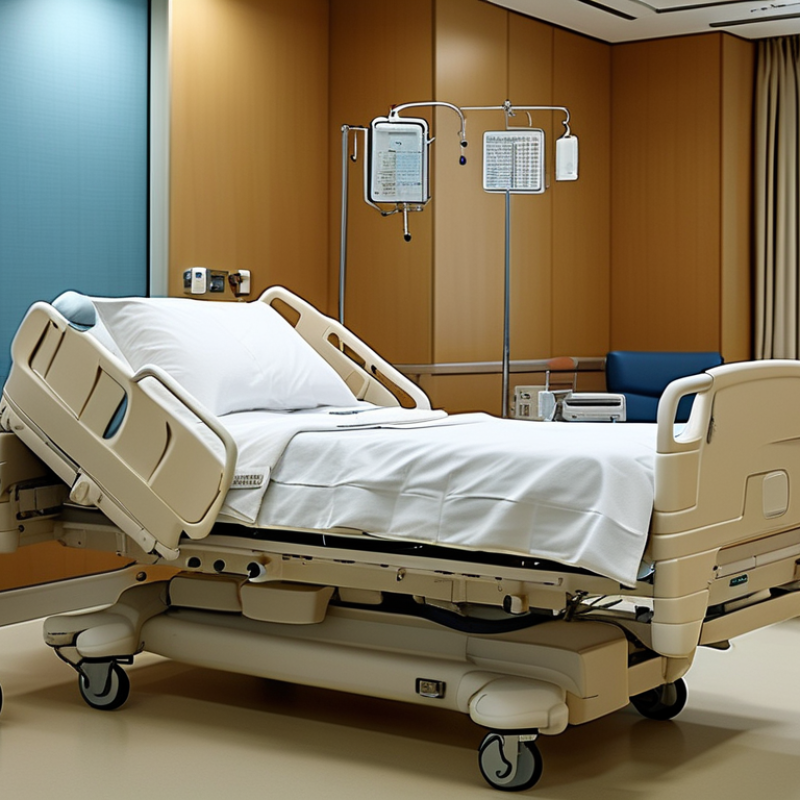
Patient bed safety is a crucial aspect of healthcare. Ensuring patient safety requires understanding essential features. These features prevent falls and enhance comfort. A guardrail system is fundamental. It acts as a barrier, keeping patients secure while they rest or move. Adjustable height is another vital characteristic. It allows caregivers to set the bed at an appropriate level. This reduces the strain on their bodies and promotes safe transfers.
Comfort is as important as safety. Beds with adjustable firmness provide tailored support. This can alleviate pressure sores and improve patient satisfaction. Advanced monitoring systems can track vital signs, alerting healthcare providers to changes. However, it’s important to recognize that not all beds are equipped with these features. Some facilities may prioritize cost over patient safety. This can lead to devastating consequences. Regular assessments of bed safety features remain essential for continuous improvement in patient care.
Investing in proper safety features reflects a commitment to patient welfare. Although many facilities strive for high standards, variability exists across the board. Continuous training for staff on the importance of these features is vital. It ensures that everyone understands how to utilize them effectively. Addressing these gaps requires ongoing reflection and adjustment. Ultimately, a focus on safety enhances the overall quality of care provided to patients.
Adjustable height mechanisms in patient beds play a vital role in fall prevention. According to the Joint Commission, falls are a significant concern in healthcare settings, with an estimated 700,000 to 1 million patients falling in hospitals each year. Ensuring that beds can be adjusted to suitable heights can significantly reduce this risk.
When beds are positioned correctly, patients experience a safer transfer. Studies show that the right bed height decreases the difficulty in getting in and out of bed. This is crucial for elderly patients or those with mobility issues. Additionally, adjustable height features allow caregivers to work at an ergonomic level, reducing their risk of injury while assisting patients. A report from the Agency for Healthcare Research and Quality highlights that ergonomic work practices could reduce caregiver injuries by up to 90%.
However, not all adjustable mechanisms are created equal. Some designs may fail or have limited functionality, leading to increased risks. Regular maintenance is essential to ensure the mechanisms operate safely. Inadequate training on how to adjust the bed height properly can also lead to unsafe situations. A well-designed, consistently maintained bed not only enhances patient safety but also supports the overall therapeutic environment. These considerations are crucial in creating a holistic approach to patient care.
| Safety Feature | Description | Benefits | Implementation Status |
|---|---|---|---|
| Adjustable Height Mechanisms | Allows bed height to be modified for patient safety and convenience | Reduces fall risk, improves accessibility for caregivers | Widely implemented |
| Side Rails | Elevated barriers on the sides of the bed | Prevents unintentional falls | Commonly used |
| Anti-Slip Surfaces | Non-slip material on the mattress | Enhances patient stability | Standard feature |
| Emergency Brake Systems | Locking mechanisms on bed wheels | Prevents unintended movement | Currently being integrated |
| Patient Monitoring Systems | Integrated devices for vital signs monitoring | Allows for immediate alerts in case of irregularities | Emerging technology |
Side rails on patient beds play a crucial role in ensuring patient safety. According to a study by the Joint Commission, the use of side rails can reduce the risk of falls by over 18%. These rails act as a physical barrier, helping patients stay within the bed's confines. This is especially important for elderly patients or those with mobility issues. The design of side rails needs careful consideration. If they are too high, they may discourage patient independence; if too low, they may not provide adequate security.
However, not all side rails achieve the desired outcome. Poorly designed or improperly used side rails can lead to entrapment or injury. A report from the Food and Drug Administration highlights that about 500 reported incidents of entrapment are associated with side rails every year. It's vital that healthcare facilities regularly review their protocols regarding the use and maintenance of side rails to enhance patient safety.
When selecting patient beds, ensure that side rails meet safety standards. Look for those with adjustable height options and smooth edges. Regular training for staff on the best practices for using side rails is essential too. These measures can significantly enhance patient security while minimizing risks.
When evaluating safety features of patient beds, weight capacity standards play a crucial role. According to industry standards, patient beds should support a minimum weight of 250 pounds. However, many healthcare facilities do not adhere strictly to these guidelines. This oversight can lead to serious safety concerns for both patients and healthcare staff. Inadequate weight capacity may contribute to bed collapses, increasing the risk of injuries.
Monitoring weight compliance is essential. Facilities should conduct regular audits to ensure that beds meet the necessary weight capacity. The U.S. Healthcare Facilities Research Group reports that 60% of reported incidents involve patients exceeding the safe weight limit of their beds. Such statistics stress the importance of adhering to proper specifications to mitigate risks.
Although regulations exist, gaps in training can result in staff failing to verify patient weights effectively. This can compromise safety measures in healthcare environments, putting vulnerable patients at risk. Focused training programs are necessary to enhance staff awareness and adherence to weight capacity protocols.
Healthcare organizations should prioritize equipment that matches patient needs. Transitioning to adjustable beds can accommodate varying weights. Additionally, always considering the condition of beds during inspections can further enhance safety compliance. Investing in proper safety features ensures both patient well-being and staff confidence in their healthcare environment.
Integrated alarm systems play a crucial role in enhancing patient safety. These systems alert caregivers to potential issues quickly. In a study by the Journal of Patient Safety, hospitals that implemented advanced alarm systems reported a 30% reduction in adverse events. These alarms can notify staff when a patient is attempting to leave their bed or if there is a significant change in vital signs.
Additionally, the integration of alarms with bedside monitoring equipment offers real-time data. This allows for faster response times during critical situations. Research shows that timely interventions can reduce hospital stays by an average of 2.5 days. Each second counts when a patient’s well-being is at stake. However, over-reliance on alarm systems can lead to alarm fatigue among staff. It's essential to provide training for effective alarm management.
Healthcare facilities must find a balance between alarm effectiveness and caregiver responsiveness. Regular assessments of alarm sensitivity and reliability can help. Feedback from staff can inform necessary adjustments. Having a well-calibrated system is vital to its success, as inconsistent alarms can desensitize caregivers. Enhanced monitoring through integrated alarm systems strengthens the safety net for patients.
Infection control is crucial in healthcare settings, particularly for patient beds. The materials used in bed design play a significant role in preventing the spread of infections. For instance, non-porous surfaces are typically preferred because they can be easily cleaned and disinfected. However, achieving durability while ensuring cleanliness often raises design challenges that need careful consideration.
Using antimicrobial coatings on bed surfaces can help combat bacteria, but these solutions are not always foolproof. Manufacturers face a balancing act; while the coating may reduce bacterial growth, it may not be as effective against all pathogens. Easy-to-clean designs are essential, but aesthetic elements often clash with functionality. Health professionals frequently find themselves debating the best balance.
Design considerations also extend to the bed's structure. Smooth edges and rounded corners can minimize the risk of injury, but they also may hide dirt and bacteria. Regular inspections and cleaning protocols must be a part of routine care. As we strive for safer patient environments, ongoing discussions about materials and design should remain a priority for healthcare professionals.
: Patient bed safety helps prevent falls and enhances comfort during rest.
A guardrail system acts as a barrier, keeping patients secure while they move or rest.
Adjustable height reduces physical strain on caregivers, making transfers safer and easier.
Facilities should focus on safety features, like effective side rails, over cost-saving measures.
Improperly designed side rails can lead to entrapment or injury for patients.
Side rails can reduce fall risk by over 18%, especially for elderly or mobility-challenged patients.
Non-porous surfaces and antimicrobial coatings help prevent infection spread on patient beds.
They must balance durability with ease of cleaning while ensuring safety features are effective.
Continuous training helps staff utilize bed safety features effectively, improving patient security.
Finding a balance between aesthetics and functionality without compromising safety and cleanliness.
Patient bed safety features are critical in ensuring the well-being of individuals in healthcare settings. Key considerations when evaluating what safety features are required for patient beds include adjustable height mechanisms that help prevent falls, as well as side rails that enhance patient security. Compliance with weight capacity standards is essential to ensure safety for all patients, while integrated alarm systems offer enhanced monitoring capabilities for caregivers.
Furthermore, the materials and design of patient beds play a vital role in infection control, making it imperative for healthcare facilities to prioritize these safety features. Overall, understanding these aspects contributes significantly to establishing a safe and comfortable environment for patients, underscoring the importance of robust safety feature integration in patient bed designs.

Dgem Medical