Top Materials Used in Medical Bed Manufacturing for Global Buyers?

Time:2026-06-01 Author:Madeline
0%

In today's rapidly evolving healthcare landscape, understanding what materials are used in medical bed manufacturing is crucial. The medical bed industry relies on advanced materials to ensure safety, comfort, and durability. According to market research, the global medical bed market is projected to reach USD 3.1 billion by 2026, highlighting the significance of these components.

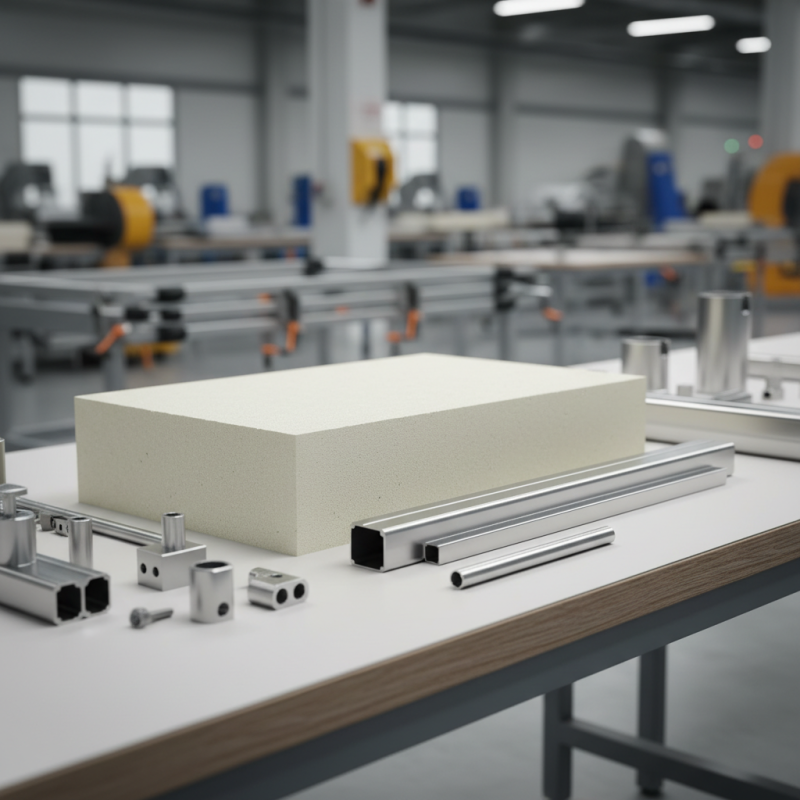
Materials such as aluminum, steel, and high-density foam are commonly utilized. Aluminum offers lightweight durability, while steel ensures structural integrity. Moreover, high-density foam adds comfort for patients, an essential factor in understanding bed design. Industry reports indicate that over 65% of manufacturers prioritize patient safety and comfort in their materials selections, reinforcing the demand for high-quality options.

However, challenges remain. Not all manufacturers adhere to the same standards for material quality. This inconsistency can lead to variations in performance and longevity. Future improvements in material sciences could address these issues, but the journey is ongoing. Reflecting on these points, we see the importance of sourcing reliable, high-standard materials for medical bed manufacturing.
Top Materials Used in Medical Bed Manufacturing for Global Buyers?

Key Considerations in Selecting Materials for Medical Bed Manufacturing

Selecting materials for medical bed manufacturing is a critical process. Various factors influence the choices, including safety, durability, and comfort. Medical beds require materials that can withstand frequent use and rigorous cleaning protocols. Steel and aluminum are common choices for frames, offering strength and longevity.

Comfort is not just about aesthetics; it impacts patient recovery. Foam and gel materials enhance mattress comfort. They relieve pressure points, making long hospital stays more bearable. However, not all foams are equal. Some may degrade faster or produce allergens. It is essential to choose hypoallergenic and durable options.

Cost is another consideration. While high-quality materials often require a larger initial investment, they can reduce long-term replacement costs. Manufacturers must evaluate the trade-off between initial price and lifespan. Balancing quality with budget constraints can be challenging. Attention to detail in material selection can significantly impact patient experience and satisfaction.

Overview of Commonly Used Metals in Medical Bed Construction

When it comes to medical bed manufacturing, metal materials play a crucial role. Steel is one of the most commonly used metals due to its strength and durability. According to a report published by Market Research Future, the global market for medical beds is expected to reach $6.6 billion by 2025, indicating a rising demand for robust materials. Steel not only ensures longevity but also supports the structural integrity required in healthcare environments.

Aluminum is another essential material in this sector. It is lighter than steel yet offers sufficient strength. Some studies indicate that aluminum can reduce the overall weight of medical beds by 30%. This reduction is critical for ease of movement and repositioning within medical facilities. However, aluminum is also prone to scratching, which could affect hygiene — a significant concern in healthcare.

Other metals, such as stainless steel, are also prevalent. Its inherent corrosion resistance makes stainless steel ideal for environments where cleanliness is paramount. Yet, the cost can be a limiting factor for some manufacturers. The balance between material choice and affordability remains a topic for reflection within the industry. Selecting appropriate metals involves considering not just performance but also practical implications like maintenance and cost efficiency.

Benefits of Plastics in the Design of Medical Beds

In recent years, the use of plastics in medical bed manufacturing has gained significant attention. Plastics are lightweight and easy to mold into various shapes. This versatility enables designers to create ergonomic beds that enhance patient comfort. The smooth surface of plastic also simplifies cleaning and disinfecting, which is critical in healthcare settings. Hospitals prioritize hygiene to prevent infections.

Another benefit of plastics is their durability. Medical beds made from high-quality plastics can withstand heavy use without compromising safety. However, there are challenges. Over time, some plastics may degrade due to exposure to disinfectants and environmental factors. This raises concerns about the longevity of medical beds and their overall cost-effectiveness.

Finally, the adaptability of plastics allows for innovative designs. With ongoing research, new formulations are emerging that can meet strict safety standards. However, manufacturers must continuously evaluate the properties of these materials. Balancing strength, flexibility, and weight is not always straightforward. Efforts to enhance plastics may lead to breakthroughs, but more work remains to be done.

The Role of Foam and Upholstery in Patient Comfort and Safety

In the realm of medical bed manufacturing, the choice of materials profoundly impacts patient comfort and safety. Foam and upholstery are central to this equation. High-density foam, specifically designed for healthcare environments, can significantly reduce pressure ulcers. According to a study by the National Pressure Injury Advisory Panel, prevention of pressure injuries is vital, with one patient in every 10 experiencing this complication during their hospital stay. Thus, the selection of the right foam material is crucial for a patient’s well-being.

Upholstery materials also play a vital role. They must be durable, easy to clean, and resistant to fluids. A common recommendation is to use antimicrobial fabrics. These textiles help mitigate the risk of hospital-acquired infections. A report from the Centers for Disease Control and Prevention shows that 1 in 31 hospital patients has at least one healthcare-associated infection. Therefore, the integration of antimicrobial properties in upholstery becomes not just an option but a necessity.

Tip: Always examine the fire safety ratings of foam used in healthcare settings. Safety standards can vary.

Moreover, the thickness and firmness of the foam affect overall comfort levels. Research emphasizes that softer mattresses may not provide adequate support, potentially leading to long-term issues. Understanding these factors is essential. Evaluate how different materials respond to weight and pressure. This knowledge can significantly enhance patient satisfaction and safety in medical environments.

Tip: Engage with healthcare professionals for insights on material performance to ensure the highest standards of care.

Emerging Materials and Innovations in Medical Bed Production

The medical bed industry is evolving rapidly. Innovative materials are at the forefront of this transformation. Manufacturers are exploring options like thermoplastics and composites. These materials are lightweight and durable. They improve the functionality of medical beds significantly.

Newer foam technologies enhance patient comfort. They also help in redistributing pressure. This can reduce the risk of bedsores. Another remarkable development is in antimicrobial fabrics. These materials help to prevent hospital-acquired infections. Yet, challenges arise in balancing durability and comfort.

Sustainability is another focus area. Manufacturers are experimenting with eco-friendly materials. Biodegradable composites are promising but costly. The industry needs to reflect on the affordability of these innovations. Overall, while progress is evident, there are hurdles that require attention.

FAQS

: What materials are commonly used for medical bed frames?

: Steel and aluminum are popular choices. They provide strength and longevity for heavy use.

Why is comfort important in medical beds?

Comfort affects patient recovery. Foam and gel materials help relieve pressure points during long stays.

What should be considered when selecting mattress materials?

It is essential to choose hypoallergenic and durable options to avoid rapid degradation and allergens.

How does cost affect material selection for medical beds?

High-quality materials may have higher initial costs but can lower replacement expenses over time.

What are the advantages of using plastics in medical beds?

Plastics are lightweight, easy to mold, and simplify cleaning, making them suitable for healthcare settings.

Are there any drawbacks to using plastics in medical bed manufacturing?

Some plastics may degrade from disinfectants, raising concerns about longevity and cost-effectiveness.

How does the adaptability of plastics benefit bed design?

The versatility of plastics allows for ergonomic designs that can enhance patient comfort and innovation.

What challenges do manufacturers face with plastic materials?

Balancing strength, flexibility, and weight can be complex, requiring ongoing evaluations of material properties.

Can high-quality materials impact patient experience?

Yes, attention to detail in material selection greatly influences patient satisfaction and overall experience.

What ongoing efforts are needed in medical bed manufacturing?

Continuous research is essential to develop new materials that meet safety standards and improve bed design.

Conclusion

The article "Top Materials Used in Medical Bed Manufacturing for Global Buyers" explores what materials are used in medical bed manufacturing, emphasizing the key considerations in selecting suitable materials for patient safety and comfort. It provides an overview of the commonly used metals, such as steel and aluminum, which offer durability and stability in medical bed construction. Additionally, the article highlights the advantages of plastics, which contribute to the lightweight and hygienic design of medical beds.

Furthermore, the significance of foam and upholstery is discussed, focusing on their roles in enhancing patient comfort and safety. The article also mentions emerging materials and innovations in the field of medical bed production, reflecting ongoing advancements aimed at improving the overall functionality and user experience of medical beds.

Madeline

Madeline

Madeline is a dedicated marketing professional with a wealth of expertise in our company's core offerings. With a keen understanding of the industry, she brings a unique perspective to her role, consistently delivering high-quality content that highlights the superior aspects of our products. As......