10 Tips on How Electric Beds Enhance Patient Comfort?

Time:2026-08-01 Author:Henry
0%

In modern healthcare, ensuring patient comfort is paramount. Electric beds have transformed how care is delivered in hospitals. Research indicates that patient comfort directly influences recovery times and overall satisfaction. According to a report by the World Health Organization, an improved environment can enhance patient outcomes by up to 20%. This raises an essential question: how do electric beds improve patient comfort?

Electric beds allow for personalized adjustments, accommodating individual needs and preferences. Patients can effortlessly change their position to reduce pressure points. This adaptability is crucial for those with chronic pain or limited mobility. Additionally, the built-in features of electric beds enable caregivers to provide better assistance. A study published in the Journal of Clinical Nursing found that enhanced positioning reduces the risk of bedsores, playing a vital role in long-term recovery.

However, not all electric beds are created equal. Some models may lack essential features, leading to patient dissatisfaction. It's important for healthcare providers to assess the quality and functionality of these beds. By understanding the specific needs of patients, they can select the most effective solutions. This reflection highlights the importance of continuous improvement in patient care. Electric beds represent one significant step toward achieving higher standards of comfort and recovery in healthcare settings.
10 Tips on How Electric Beds Enhance Patient Comfort?

Benefits of Electric Beds for Patient Mobility and Safety Enhancement

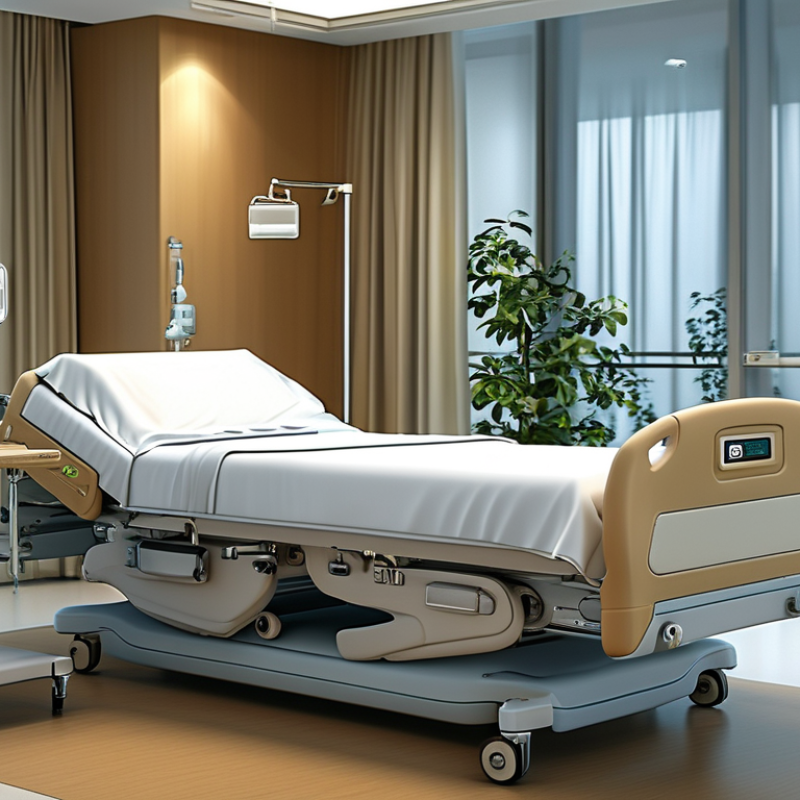
Electric beds play a crucial role in enhancing patient mobility and safety. These beds can be adjusted to various positions, making it easier for patients to get in and out. The convenience of raising the head or foot support provides comfort during meals or while reading. Patients find it easier to shift positions, reducing the risk of pressure sores. This functionality encourages independence, allowing patients to manage their own comfort.

In terms of safety, electric beds often feature side rails that can be raised or lowered. This reduces the risk of falls. Adjustable height settings also help caregivers provide better support during transfers. However, it’s important to monitor patients closely. Not all patients may fully utilize the features, leading to a potential sense of isolation. Regular assessment of each patient’s needs is essential. Such evaluation can determine how well electric beds meet individual requirements while addressing any shortcomings.

Impact of Adjustable Head and Foot Positions on Patient Comfort Levels

Adjustable electric beds have gained recognition for their role in enhancing patient comfort. The ability to raise or lower the head and foot sections of the bed significantly impacts how patients experience rest and recovery. For instance, elevating the head can help with breathing, especially for those with respiratory issues. This simple adjustment can lead to a more restful sleep for patients by alleviating pressure points.

Similarly, adjusting the foot of the bed can relieve lower back pressure and improve circulation. Patients often report feeling more at ease when they can change their position easily. Comfort isn’t solely about luxury; it's essential for healing. However, it's important to consider that not all adjustments are suitable for every patient. Some individuals may find certain angles uncomfortable or may have specific medical conditions that require caution. A thorough assessment and consultation with healthcare providers are crucial for optimizing these adjustments. Ultimately, the goal is to find a balance that supports each patient's unique needs.

Data on Reduced Pressure Ulcers with Electric Bed Usage in Healthcare Settings

Electric beds are increasingly used in healthcare settings to improve patient comfort and care outcomes. One significant benefit is their role in reducing the incidence of pressure ulcers. According to a study published in the Journal of Hospital Medicine, hospitals that transitioned to electric beds observed a 30% reduction in pressure ulcer rates. This improvement is attributed to better positioning and adjustability that these beds offer.

In traditional bed setups, limited mobility can lead to increased pressure on certain body areas. Electric beds facilitate easier adjustments, allowing healthcare staff to reposition patients frequently. A systematic review in the Journal of Wound Care found that 70% of patients using adjustable beds experienced reduced pressure sore rates. Furthermore, patients report less discomfort, which can lead to improved overall satisfaction with their hospital stay.

Despite these benefits, challenges remain. Some staff may require training to fully utilize adjustable features. Also, not all patients can adapt to the changing positions. Awareness of these limitations is crucial. Continuous evaluation and adaptation of bed usage should be emphasized to optimize patient care further. Overall, electric beds represent a valuable tool in enhancing patient comfort, though careful implementation is essential for achieving the best outcomes.

Importance of Customizable Firmness in Electric Beds for Pain Management

Customizable firmness in electric beds plays a crucial role in pain management for patients. Many people experience discomfort due to medical conditions or injuries. A bed that adjusts to individual firmness preferences can significantly ease their pain. When patients control the firmness of their beds, they may find optimal support tailored to their needs. This customization can lead to better sleep quality and reduced pain levels.

Moreover, adjustable beds can cater to various health concerns. For instance, patients with back problems may require firmer support. Others dealing with joint pain might benefit from a softer surface. This versatility highlights the necessity of a bed that adapts to the user's condition. Many users, however, may initially feel overwhelmed by the options available. It’s essential for them to test different settings to find what works best.

In addition, electric beds can enhance comfort by allowing patients to change positions easily. Patients can elevate their heads or legs with the push of a button. This feature can improve circulation and reduce swelling. Without proper understanding of these adjustments, patients might not fully utilize their electric beds. Engaging healthcare providers for guidance can help maximize comfort and manage pain effectively.

Economic Aspects of Electric Beds: Cost Savings in Long-term Patient Care

Electric beds are becoming essential in healthcare settings. Their design significantly enhances patient comfort while offering economic benefits. These beds can be adjusted to provide optimal support for different medical conditions. This adjustability reduces the risk of pressure ulcers and other complications. Implementing electric beds can lead to decreased nursing hours spent on repositioning patients.

The long-term savings from using electric beds are notable. By enhancing patient comfort, they can shorten hospital stays. Less time in the hospital means reduced costs for both patients and healthcare facilities. Moreover, improved patient outcomes can lead to fewer readmissions. It is important to consider the initial investment in electric beds. However, the potential savings in care costs often outweigh this expense.

Facilities must also reflect on the long-term impact of these beds. Not all patients may adapt to adjustable features. Some might find them confusing or uncomfortable. Understanding patient preferences is key to maximizing benefits. By focusing on patient-centered care, facilities can ensure that economic savings align with improved comfort and outcomes.

FAQS

: How do electric beds improve patient mobility?

: Electric beds can be adjusted to various positions, making it easier for patients to move. This enhances their independence.

What are the safety features of electric beds?

Many electric beds have adjustable side rails and height settings. These features help reduce the risk of falls.

Do electric beds reduce the risk of pressure ulcers?

Yes, they do. Studies show a significant reduction in pressure ulcer rates due to better positioning and adjustability.

Why is regular assessment important for electric bed users?

Not all patients utilize bed features fully. Regular evaluation ensures their needs are met and promotes effective usage.

How does customizable firmness help in managing pain?

Patients can adjust the bed's firmness to their preference. This may significantly reduce their pain and improve sleep quality.

What challenges might arise with electric bed use?

Some caregivers may need training on bed features. Also, patients may feel overwhelmed by options initially.

Can electric beds help with circulation?

Yes, patients can elevate their legs or heads easily. This feature can improve blood circulation and reduce swelling.

How should patients learn to use electric beds effectively?

Patients can test various settings to find comfort. Seeking advice from healthcare providers is also recommended.

What is a common misconception about electric bed benefits?

Some believe all patients can easily adapt. However, awareness of individual limitations is crucial for optimal use.

What can hinder the effectiveness of electric beds?

Not all patients may feel comfortable using the features. Regular guidance can help bridge this gap for better care.

Conclusion

Electric beds significantly enhance patient comfort through various features that cater to individual needs. By allowing adjustable head and foot positions, these beds provide optimal support, reducing discomfort and improving patient mobility and safety. Evidence suggests that their use can lead to a decrease in pressure ulcers, as tailored firmness options help in effective pain management.

Moreover, the economic benefits associated with electric beds cannot be overlooked, as they contribute to cost savings in long-term patient care by minimizing complications that can arise from immobility. In summary, understanding how do electric beds improve patient comfort reveals their pivotal role in modern healthcare settings, enhancing overall patient experience and well-being.

Henry

Henry

Henry is a dedicated marketing professional with a profound expertise in the company's offerings. With years of experience in the industry, he possesses an impressive understanding of the market dynamics and consumer behaviors that drive success. Henry is committed to sharing his insights through......