How Smart Hospital Furniture Benefits Hospitals in 2026

Time:2026-09-15 Author:Aria
0%

Hospitals are entering a more connected, data-led era. Beds, cabinets, bedside tables, and recliners are no longer passive equipment. They can support safer transfers, monitor occupancy, reduce manual documentation, and improve room efficiency.

The question is practical: what are the benefits of smart hospital furniture? A 2021 World Health Organization report states that approximately one in ten patients experiences harm during healthcare, and at least half of this harm is preventable. Smart beds with exit alerts, adjustable positioning, and pressure monitoring may help staff respond earlier. A small warning can matter. So can a clearer workflow.

The WHO Global Strategy on Digital Health 2020–2025 also connects digital tools with more efficient, equitable health systems. WHO Director-General Dr Tedros Adhanom Ghebreyesus has said, “Digital technologies are transforming the way people live, work, and interact.” Smart furniture applies that transformation directly beside the patient. It can give nurses useful information without requiring another screen across the room.

The benefits are not automatic. Poorly designed interfaces may create alarm fatigue. Sensors may also produce incomplete data. These are uncomfortable realities. Hospitals need trials, staff feedback, cybersecurity controls, and measurable outcomes before large-scale purchasing. Reports from HIMSS and Deloitte repeatedly emphasize interoperability, workforce readiness, and responsible digital adoption as core implementation factors.

This article examines how smart hospital furniture can improve safety, comfort, sustainability, and operational performance in 2026. It also considers where the technology still falls short. Useful innovation should solve visible problems, not simply add more technology.
How Smart Hospital Furniture Benefits Hospitals in 2026

What Smart Hospital Furniture Means in 2026

How Smart Hospital Furniture Benefits Hospitals in 2026

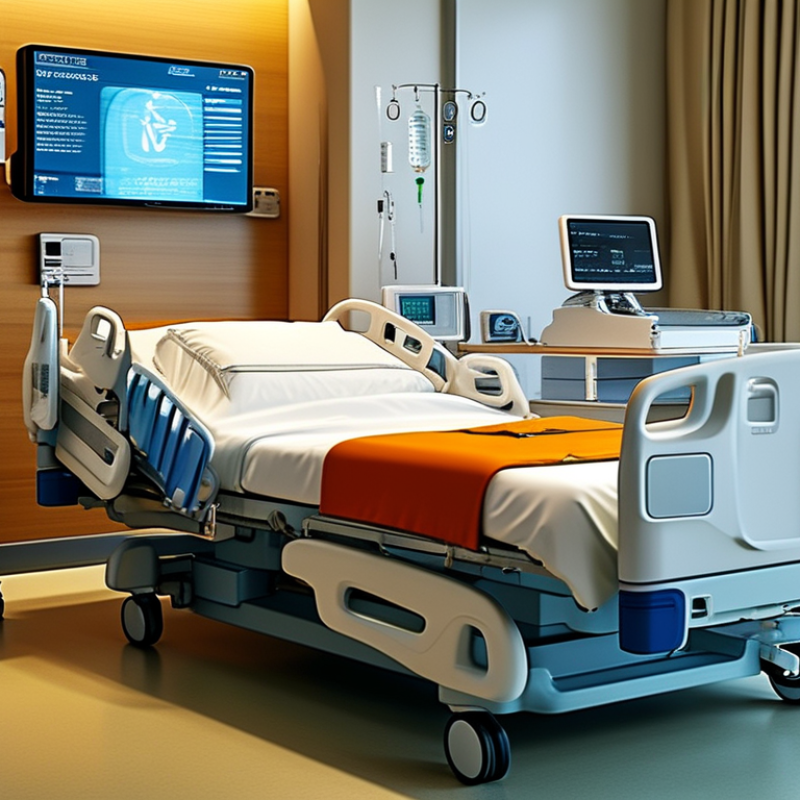
In 2026, smart hospital furniture means more than beds with electric controls. It combines practical design, sensors, software, and safe data sharing. A smart bed may track position, movement, weight changes, and prolonged pressure. A connected cabinet can monitor supplies and report unusual access. A bedside table may support charging, communication, and fall prevention.

The meaning is simple: furniture becomes an active part of care. It observes routine conditions and supports faster decisions. Nurses can receive an alert when a patient leaves bed unexpectedly. Maintenance teams can identify equipment problems before they interrupt treatment. However, useful systems need clinical testing, clear data protection, and compatibility with hospital workflows. Technology alone does not improve care.

Human judgment still matters. Always. A sensor can misread movement under a thick blanket or mistake cleaning activity for patient activity. Staff need training, visible controls, and reliable manual alternatives. Hospitals should review alert frequency, cleaning performance, accessibility, and patient comfort after installation. These reviews may reveal awkward designs or unnecessary features. That is not failure; it is evidence for improvement. Smart furniture should reduce workload without making patients feel watched, managed, or forgotten.

How Smart Hospital Furniture Benefits Hospitals in 2026

Smart beds, chairs, and bedside systems can support fall prevention, pressure-injury prevention, earlier staff alerts, and more accurate care documentation.

The chart shows the estimated annual U.S. hospital burden associated with two safety issues that smart furniture can help address. Values use the midpoint of the reported range for inpatient falls and the published estimate for hospital-acquired pressure injuries. Smart furniture does not eliminate these risks, but connected alerts, patient-position monitoring, and integrated documentation can help hospitals respond earlier and standardize preventive care.

Sources: Agency for Healthcare Research and Quality (AHRQ), “Preventing Falls in Hospitals” and “Preventing Pressure Ulcers in Hospitals.” Figures are U.S. annual estimates.

How Connected Furniture Supports Patient Care

Connected furniture turns ordinary contact points into care signals. A bed can record position changes, rail status, and exit risk. A recliner can support safe transfers while measuring occupancy. These signals reach nurses through approved clinical systems, not isolated screens.

The CDC reports that about one in 31 hospital patients has a healthcare-associated infection on any given day (CDC, 2024). Furniture cannot prevent every infection. Yet touchless controls, visible cleaning status, and fewer unnecessary room entries may support safer routines. Small operational gains matter.

The patient experience also becomes more observable. Pressure-sensing surfaces may reveal prolonged immobility. A connected bedside table can place lighting, calls, and education within reach.

The WHO estimates that one in ten patients is harmed during healthcare delivery (WHO, Global Patient Safety Action Plan 2021–2030). More than half of this harm may be preventable. That figure is not a furniture metric. It is a reminder to design around real risks, including falls, confusion, and delayed assistance. Data must remain explainable. A false alarm at 2 a.m. still costs attention.

Tips:

Start with one ward and one measurable problem, such as nighttime falls or delayed response. Map the workflow before buying sensors. Test alerts with nurses, patients, cleaners, and therapists. Use the NIST Cybersecurity Framework 2.0 to review access, encryption, and device updates. Collect only necessary data, with clear deletion rules. Independent evaluation matters; early pilots can look impressive because novelty changes behavior. We should question that effect. A chair that reports occupancy is useful only when someone can act on the signal.

Ways Smart Furniture Improves Hospital Efficiency

How Smart Hospital Furniture Benefits Hospitals in 2026

Smart furniture is changing daily hospital work in practical ways. Connected beds can record height, position, and movement changes. Nurses can view this information from a central dashboard. They spend less time checking routine settings and more time with patients.

Efficiency improves when furniture supports safer workflows. A bedside cabinet can track supply levels and request restocking automatically. Smart chairs can remind staff when cleaning is due. Adjustable examination tables can store approved positions for repeated procedures. These small actions reduce delays between appointments. They also help facilities teams schedule maintenance before equipment stops working.

The results depend on careful implementation. Staff need clear training, simple controls, and reliable technical support. Data should follow hospital privacy rules and established security practices. Integration with existing records also requires testing. It is not magic.

A sensor can fail. A warning can be ignored. Early projects may even create extra alerts instead of saving time. Hospitals should measure response times, equipment downtime, cleaning records, and staff feedback. A pilot ward often reveals problems that planning documents miss. For example, a wireless signal may weaken near thick walls, or a bedside screen may be difficult to read during night shifts. Regular reviews help teams adjust settings, replace weak processes, and keep smart furniture useful rather than distracting.

Safety, Accessibility, and Comfort for Patients and Staff

Smart hospital furniture should make ordinary movements safer. A low bed can reduce climbing during transfers. Locking casters can prevent unexpected movement. Built-in lighting can guide a patient to the bathroom at night. AHRQ PSNet estimates that 700,000 to 1 million hospitalized patients fall annually in the United States. Furniture cannot prevent every fall. It can remove several small hazards.

Accessibility needs more than wider doors. The CDC’s Disability and Health Data System reports that about 27% of U.S. adults have a disability. Adjustable bed heights, clear controls, and visible alerts support patients with limited strength, vision, or dexterity. Controls should remain usable from a seated position. Staff need the same consideration. NIOSH identifies patient handling as a major source of healthcare worker injury, so powered adjustment and easier repositioning can reduce forceful movements. Small design choices matter.

Comfort is also clinical. Pressure-sensitive surfaces can flag prolonged loading, while breathable materials may reduce heat and moisture. Yet sensors can create alarm fatigue. That risk is real. WHO reports that falls cause about 684,000 deaths globally each year, but more technology is not automatically better care. Hospitals should test furniture with nurses, therapists, patients, and cleaners. A promising prototype may fail beside a crowded bed, or after repeated disinfection. Feedback must continue after installation.

How Smart Hospital Furniture Benefits Hospitals in 2026 - Safety, Accessibility, and Comfort for Patients and Staff

Priority Area Verified Healthcare Benchmark Smart Furniture Function Expected Hospital Benefit Evidence Source
Patient Falls Approximately 700,000 to 1,000,000 hospitalized patients fall each year in the United States; about one-third of these falls result in injury. Low-height beds, automatic brake confirmation, bed-exit sensing, integrated night lighting, and alerts routed to clinical staff. Supports earlier assistance, reduces unassisted transfers, and improves visibility around the bed during nighttime care. AHRQ Patient Safety Network, “Falls,” updated 2023.
Pressure Injury Prevention An estimated 2.5 million people in the United States develop pressure ulcers in acute-care settings each year. Pressure-redistributing mattresses, repositioning reminders, moisture monitoring, and adjustable support surfaces. Encourages scheduled repositioning and helps staff identify patients who may need earlier skin assessment. AHRQ, “Preventing Pressure Ulcers in Hospitals: A Toolkit for Improving Quality of Care,” 2014.
Patient Accessibility The World Health Organization estimates that approximately 1.3 billion people, or 16% of the global population, experience significant disability. Powered height adjustment, accessible controls, visual and audible status indicators, and transfer-friendly clearances. Makes transfers and daily activities easier for patients with mobility, vision, hearing, or dexterity limitations. World Health Organization, “Disability,” 2023.
Staff Ergonomics The safe patient handling literature identifies lifting, repositioning, and transferring patients as major contributors to musculoskeletal injury risk among healthcare workers. Electric height adjustment, integrated transfer supports, mobile work surfaces, and equipment positioned within safe reach zones. Reduces awkward bending and manual-force demands while supporting safer, more consistent patient handling procedures. NIOSH, “Safe Patient Handling and Mobility,” Centers for Disease Control and Prevention.
Infection Prevention On any given day, approximately 1 in 31 hospital patients in the United States has at least one healthcare-associated infection. Seamless surfaces, removable components, antimicrobial-compatible materials, sensor-based cleaning status, and fewer hard-to-reach joints. Improves cleaning consistency and helps environmental-services teams identify furniture that requires attention before room turnover. Centers for Disease Control and Prevention, “Healthcare-Associated Infections,” 2024.
Patient Comfort and Recovery The Hospital Consumer Assessment of Healthcare Providers and Systems survey evaluates patients’ experiences with communication, responsiveness, cleanliness, quietness, and overall hospital rating. Quiet motor systems, personalized positioning, reading lights, device charging, privacy controls, and low-glare bedside interfaces. Supports rest, independence, communication, and a more patient-centered experience that can be monitored through experience surveys. Centers for Medicare & Medicaid Services, HCAHPS Survey Measures.
Workflow and Response Time The WHO identifies delayed recognition and response to patient deterioration as important patient-safety risks requiring reliable monitoring and communication processes. Connection to nurse-call systems, occupancy detection, equipment-status monitoring, and event logs for bed and room activity. Gives staff actionable alerts, reduces avoidable room checks, and creates better visibility into care-related events. World Health Organization, “Global Patient Safety Action Plan 2021–2030.”
Implementation and Governance Digital furniture should support, rather than replace, clinical judgment, privacy safeguards, infection-control procedures, and regular equipment maintenance. Role-based access, audit trails, data minimization, manual override controls, preventive maintenance reminders, and interoperability testing. Promotes safer deployment, protects patient information, and helps hospitals evaluate whether technology produces measurable operational value. U.S. Food and Drug Administration, medical-device cybersecurity guidance; WHO patient-safety guidance.

Note: The benchmarks describe documented healthcare conditions and risks. Smart-furniture functions are design responses; actual outcomes depend on clinical protocols, staff training, maintenance, and implementation quality.

Challenges and Future Development of Smart Hospital Furniture

How Smart Hospital Furniture Benefits Hospitals in 2026

Smart hospital furniture is becoming more useful, but implementation remains difficult. Beds, recliners, and bedside tables can collect occupancy, movement, and pressure data. This information may help nurses identify fall risks earlier. However, sensors can misread movement when blankets shift or equipment is moved. A noisy ward can expose these weaknesses quickly.

Staff training is a major challenge. Nurses need clear alerts, not another complicated dashboard. Maintenance teams also require access to batteries, software logs, and replacement parts. Infection control creates stricter demands. Smooth surfaces, sealed sensors, and simple cleaning procedures matter beside advanced functions. Clinical engineering teams should test furniture with real workflows before wider installation. A pilot can fail.

Data protection must remain central. Hospitals should limit data collection, control user access, and record system changes. Independent safety checks can reveal problems that sales demonstrations miss. Procurement teams also need lifecycle costs, including repairs, updates, and staff training. Cheap furniture may become expensive after repeated downtime.

Future designs may include pressure sensors that support personalized repositioning schedules. Voice controls could assist patients with limited mobility. Modular parts may allow repairs instead of full replacement. Yet hospitals should question every added feature. More technology does not automatically mean better care. Some staff may still prefer a visible manual control. That judgment deserves respect.

FAQS

What is smart hospital furniture in 2026?

It combines practical furniture, sensors, software, and secure data sharing. Examples include beds, cabinets, recliners, and bedside tables. A bed may track position, movement, weight changes, and prolonged pressure. Technology alone is not enough.

How can smart beds support patient safety?

Smart beds can monitor rail status, movement, and unexpected bed exits. Nurses may receive alerts when a patient leaves at night. This can support faster responses and reduce some fall risks. False alarms still happen.

What can connected bedside tables provide?

They can offer charging, lighting, communication, and patient education within easy reach. Some designs also support fall prevention. A reachable call control matters, especially for weak or confused patients. Small details matter.

Can smart furniture help reduce infections?

Touchless controls and visible cleaning indicators may support safer room routines. Connected systems can also reduce unnecessary staff movement. Furniture cannot prevent every infection. Cleaning still requires careful human work.

How does connected furniture help nurses?

It can combine bed position, occupancy, movement, and pressure information. Approved clinical systems can send useful alerts to nurses. Staff may identify problems without checking every room repeatedly. Too many alerts create fatigue.

What are the main limitations of smart hospital furniture?

Sensors can misread movement beneath a thick blanket. Cleaning activity may appear to be patient movement. Software can also interrupt established workflows. Manual controls should always remain available.

How should a hospital introduce smart furniture?

Start with one ward and one measurable problem, such as nighttime falls. Map existing workflows before purchasing equipment. Test alerts with nurses, patients, cleaners, and therapists. A small pilot may reveal awkward designs.

What data protection practices are important?

Hospitals should collect only necessary data and define deletion rules. Access controls, encryption, and device updates need regular review. Patients should understand what the furniture observes. Privacy can feel imperfect.

How can hospitals judge whether smart furniture is successful?

Review response times, alert frequency, cleaning performance, comfort, accessibility, and staff workload. Compare results after the novelty fades. A chair reporting occupancy helps only when someone can act. That assumption needs testing.

Conclusion

Smart hospital furniture in 2026 refers to beds, chairs, cabinets, workstations, and other essential equipment enhanced with connected sensors, adjustable features, and data-based controls. These solutions can support patient care by monitoring positioning, movement, comfort, and routine needs while helping staff access useful information more efficiently. A connected bed, for example, may assist with repositioning reminders, fall-risk awareness, and easier communication between patients and caregivers.

When considering what are the benefits of smart hospital furniture, hospitals can improve workflow efficiency, reduce unnecessary manual tasks, and make better use of available space and resources. Adjustable designs can also improve accessibility, posture, and comfort for both patients and staff, while built-in safety features may help reduce preventable risks. However, successful adoption requires careful attention to privacy, cybersecurity, maintenance, staff training, and compatibility with existing systems. Future developments are likely to focus on more personalized care, energy efficiency, intuitive controls, and reliable technology that supports—not replaces—professional judgment.

Aria

Aria

Aria is a dedicated marketing professional with a deep passion for innovative strategies and a keen understanding of our company's product offerings. With a wealth of experience in the industry, Aria excels at crafting engaging content that highlights the unique features and benefits of our......