In the healthcare field, preventing injuries is paramount. When assisting patients in bed, the risk of harm increases for both patients and caregivers. Dr. Susan Miller, a renowned expert in patient safety, emphasizes, "Understanding body mechanics is key to minimizing risks." Her insight highlights the necessity of proper techniques when handling patients.
To effectively address how to avoid injuries when assisting patients in bed, it’s essential to focus on realistic scenarios. For instance, consider the common mistake of twisting one's back while lifting. This not only endangers the caregiver but can cause discomfort to the patient. Training programs that emphasize correct posture and movements can significantly reduce these risks.
Moreover, fostering a culture of open communication between caregivers and patients is crucial. This encourages patients to express their discomfort, leading to safer handling practices. Regularly revisiting safe practices is also vital. Even seasoned professionals can develop habits that might lead to injuries. Continuous education and mindfulness are the keys to ensuring safety for all involved.
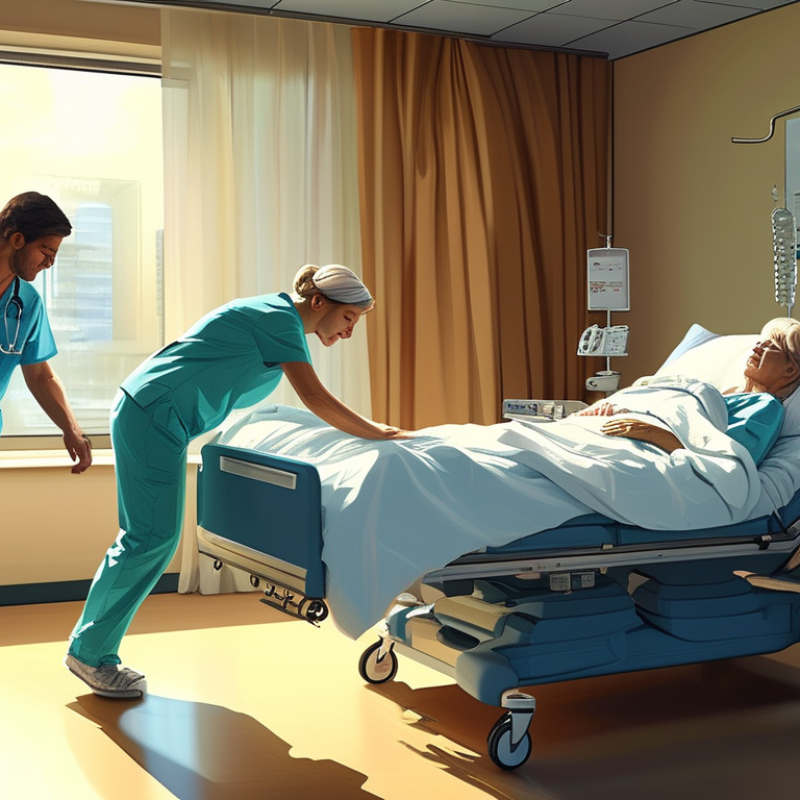
Understanding the importance of safe patient handling practices is crucial in healthcare settings. Proper techniques can greatly reduce the risk of injuries for both patients and caregivers. Many workplace injuries stem from improper lifting and moving strategies. Simple adjustments can cultivate a safer environment.
Caregivers should be trained in ergonomic practices. This training helps them recognize their physical limits. When moving patients, use tools like transfer boards or lifts. These devices can minimize strain. Yet, it is important to acknowledge that not every situation allows for perfect execution. Sometimes, staff may rush or feel overwhelmed, leading to mistakes. Regular training refreshers can address these challenges.
Communication plays a vital role in patient handling. Caregivers must inform patients of movements in advance. This builds trust and enhances safety. It's also essential to assess the patient’s condition frequently. Some patients may resist or may not understand instructions. Adjusting to their reactions is a skill that develops over time. Reflecting on past experiences can lead to improvements. Recognizing that no system is flawless is part of enhancing care quality.
Patient injury rates during bed transfers can be alarmingly high. Studies indicate that roughly 40% of patient injuries occur during these transfers. Improper techniques and lack of training contribute greatly to this issue. Understanding the statistics highlights the importance of safe handling practices.
Using proper body mechanics is essential. Caregivers should bend at the knees and keep their back straight. This minimizes the risk of personal injury while ensuring the patient is safely moved. Additionally, using assistive devices can greatly reduce the physical strain involved.
Training is a vital component. Regular workshops can keep staff updated on the best practices. Encourage open discussions about experiences with bed transfers. Reflect on past challenges, and think of ways to improve. Adapting techniques based on feedback fosters a safer environment for both patients and caregivers.
When assisting patients in bed, proper body mechanics are crucial to preventing injuries. Start by positioning yourself correctly. Stand close to the bed with your feet shoulder-width apart. This stance helps you maintain balance while supporting the patient. Bend your knees, not your back, to lower yourself closer to the patient. This technique reduces strain on your back, a common source of injury.
Engage your core muscles during the process. A strong core provides stability and reduces the risk of sudden movements. When moving a patient, use your legs to lift rather than your back. Keep your movements slow and controlled. Sometimes, caregivers rush, which can lead to accidents. Rushing can result in muscle strains and falls. Always communicate with the patient about what you are doing. This creates a sense of safety and allows for adjustments if needed.
Using assistive devices can also enhance safety. Slide sheets or patient lifts help minimize physical strain. Some caregivers hesitate to use these tools. They may feel more in control without them. However, incorporating these devices can significantly reduce the risk of injury. Self-reflection after an incident can be beneficial. Consider what could have been done differently to ensure both the patient’s and caregiver’s safety.
Implementing ergonomic equipment in healthcare settings has shown significant potential in reducing injury risks during patient assistance. A study by the National Institute for Occupational Safety and Health (NIOSH) indicates that over 50% of nurses experience work-related musculoskeletal disorders. These injuries often arise from improper lifting techniques and inadequate support equipment.
Ergonomic tools like patient lifts and slide sheets can improve the lifting process, decreasing the strain on caregivers.
Research by the American Nurses Association demonstrates that using proper equipment can reduce back injuries by 50%. This is a substantial decrease, enhancing workplace safety. Ergonomic devices not only protect staff but also improve patient comfort. For instance, using adjustable height beds allows caregivers to maintain a neutral posture while assisting patients.
Despite these benefits, some healthcare facilities still lack ergonomic training. Many staff members may not fully utilize available tools. This gap can lead to injuries and hinder efficiency. Incorporating regular training on ergonomic practices can address this issue. It is essential to foster a culture of safety that prioritizes both caregiver and patient well-being through proper equipment use.
Training and education programs for health care workers are essential in preventing injuries while assisting patients in bed. Effective training includes practical sessions that focus on proper body mechanics. Workers learn to lift and reposition patients safely, reducing strain on their bodies. The use of tools, such as slide sheets, can also be emphasized to minimize physical effort.
Regular workshops are crucial, yet many facilities fail to offer ongoing education. This gap can lead to increased injuries among staff. Caregivers often become complacent, relying on outdated techniques. It's important to create a culture where continuous learning is valued.
Supervisors should encourage open discussions about challenges faced during patient handling. Sharing experiences can lead to better practices. Reflection on past incidents will help teams identify areas for improvement. These discussions foster a shared commitment to safety. Investing in training not only protects health care workers but also enhances patient care.
: Approximately 40% of patient injuries happen during bed transfers.
Injuries often result from improper techniques and insufficient training.
Bending at the knees and keeping the back straight reduces injury risk.
Assistive devices can significantly lower physical strain during patient transfers.
Training helps workers learn safe lifting techniques and minimizes injury risk.
The absence of continuous education can lead to more injuries and complacency.
Sharing experiences helps teams learn from challenges and improve techniques.
Reflection helps identify areas for improvement and prevents future issues.
It promotes safety among workers and enhances overall patient care.
Workers may rely on outdated methods, increasing injury risks.
In the healthcare sector, understanding how to avoid injuries when assisting patients in bed is crucial for both patient safety and caregiver well-being. Safe patient handling practices significantly reduce the risk of injuries, as evidenced by key statistics highlighting the high prevalence of injuries during bed transfers. By employing essential techniques that focus on proper body mechanics, caregivers can effectively minimize strain and avoid potential injuries.
Moreover, the implementation of ergonomic equipment is vital in creating a safer environment for both patients and healthcare workers. Training and education programs centered on safety protocols play an essential role in fostering a culture of safety within healthcare settings. These initiatives equip health care workers with the knowledge and skills necessary to safely assist patients, ultimately enhancing care quality and reducing injury risk during bed assistance.

Dgem Medical