Adjustable beds play a significant role in patient recovery. Dr. Emily Harper, an expert in rehabilitation medicine, states, "Adjustable beds empower patients to take control of their comfort." This quote encapsulates the core essence of why these beds are crucial. They provide flexibility in positioning, aiding in pain relief and circulation.
Understanding why are adjustable beds important in patient recovery requires a closer look at their benefits. Elevating the head or legs can relieve pressure on the spine and improve airflow. This can lead to enhanced sleep quality, which is vital during recovery. Additionally, they allow caregivers easy access to patients, minimizing strain for both parties.
However, the adoption of adjustable beds doesn't come without challenges. Some patients may resist change or feel overwhelmed by new technology. It's essential to address their concerns and ensure they understand the benefits. Ultimately, adjustable beds are not just furniture; they are tools that support healing.
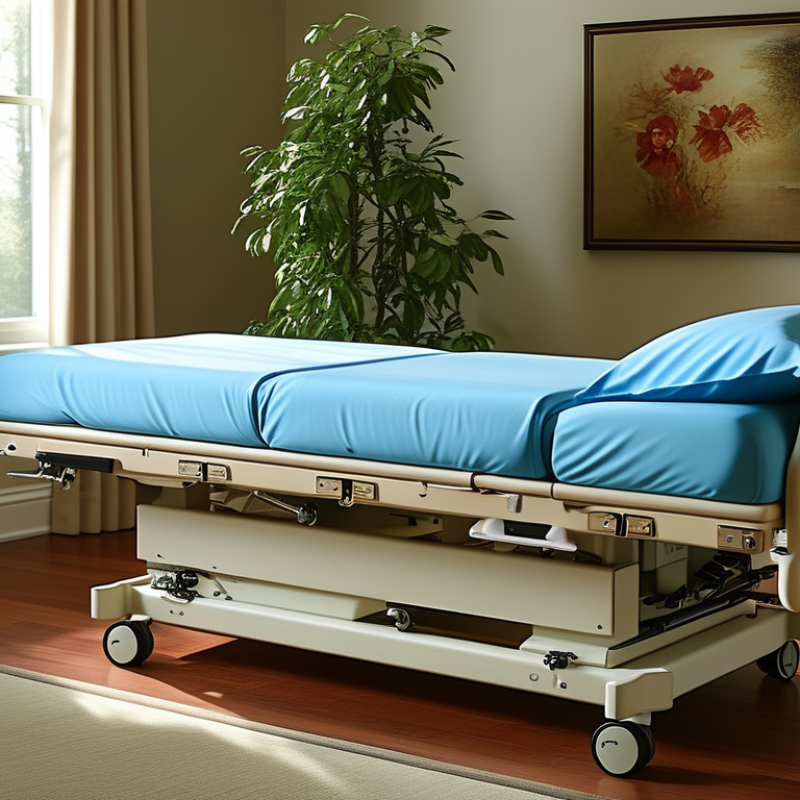
Adjustable beds play a significant role in enhancing patient comfort during recovery. The ability to modify the bed’s position can reduce pain and pressure on sensitive areas. Patients can elevate their heads or legs, which promotes better circulation. This is especially crucial for those recovering from surgeries or dealing with chronic conditions.
Research shows that comfortable positions can significantly improve sleep quality. Quality sleep aids in the healing process, allowing the body to recover effectively. However, not every patient may find an adjustable bed comfortable. Some might prefer a traditional flat surface. It's important for caregivers to assess individual preferences when recommending bed types.
Enhancing comfort can lead to better emotional health as well. Patients who feel more at ease are likely to experience less anxiety and stress. Yet, the benefits of adjustable beds may be overlooked in standard recovery plans. It’s essential to address these gaps and consider each patient's unique needs for optimal care.
Adjustable beds significantly contribute to patient recovery by improving comfort and supporting mobility. Their design directly impacts pressure ulcer prevention. Pressure ulcers are a major concern for individuals with limited mobility. These wounds develop when pressure restricts blood flow to the skin. Adjustable beds can help mitigate this issue by allowing patients to change their position easily.
Research indicates that proper positioning reduces the risk of pressure ulcers. Elevating specific body parts promotes circulation. For example, raising the legs alleviates pressure on the lower back. This positioning can lower the incidence of these painful sores. However, the effectiveness of adjustable beds is not uniform across all patients. Some individuals may require additional assistance to reposition themselves. Hence, integrating adjustable beds should be part of a broader care strategy, including regular monitoring.
Additionally, healthcare providers must educate patients and caregivers about using these beds effectively. Understanding the various settings can optimize their benefits. Adjustable beds can enhance recovery, but misused or misunderstood features might lead to complications. Encouraging communication among caregivers, patients, and healthcare professionals ensures that adjustable beds serve their primary purpose—promoting healing.
Adjustable beds are proving crucial for patient recovery in hospitals. Studies show that these beds can enhance sleep quality significantly. Patients often experience discomfort in traditional beds. The ability to elevate the head or feet can relieve pain and improve circulation. This change positively impacts their overall rest.
In hospital settings, sleep disruptions are common due to noise, lights, and uncomfortable positions. An adjustable bed allows for personalized settings that cater to a patient’s unique needs. Patients report feeling more comfortable and relaxed when they can find their ideal position. More comfort translates to better sleep, which is essential for healing.
Nevertheless, not all patients respond the same way. Some may still struggle to sleep despite the benefits of an adjustable bed. It’s crucial for healthcare providers to monitor these individuals closely. Understanding specific needs can help tailor solutions effectively. This ongoing evaluation highlights the importance of adaptability in patient care strategies.
Adjustable beds play a crucial role in post-surgical recovery. Patients often find it difficult to get comfortable after surgery. Traditional flat beds can exacerbate pain and restrict mobility. Adjustable beds allow for customized positioning, which can significantly enhance comfort levels. By elevating the head or legs, patients can relieve pressure on sensitive areas. This can lead to quicker recovery times.
Research indicates that proper bed positioning can improve breathing, reduce swelling, and promote better circulation. When patients can adjust their beds, they often report higher satisfaction levels. However, not all patients are aware of how to use these features effectively. Education on the benefits of adjustable bed settings can be lacking. This gap in knowledge can hinder recovery.
Emphasizing the importance of adjustable beds requires ongoing conversation with healthcare providers. There must be a focus on individual patient needs and preferences. A one-size-fits-all approach often misses the mark. Care teams should assess how each patient responds to different bed positions. This can help tailor recovery strategies, improving outcomes significantly. Engaging families in this discussion can also foster a supportive recovery environment.
| Recovery Metric | Traditional Bed | Adjustable Bed | Improvement (%) |
|---|---|---|---|
| Pain Level (1-10) | 7.5 | 5.0 | 33.33% |
| Sleep Quality (1-10) | 6.0 | 8.5 | 41.67% |
| Mobility Improvement (% Change) | 20% | 50% | 150% |
| Discharge Time (Days) | 5 | 3 | 40% |
| Satisfaction Rating (1-10) | 7.0 | 9.0 | 28.57% |
Adjustable beds play a crucial role in enhancing patient mobility and independence. Research indicates that nearly 80% of patients report improved comfort with adjustable beds, which fosters greater participation in their recovery. This added comfort allows patients to reposition themselves easily, promoting better blood circulation and reducing the risk of pressure ulcers, a common challenge in long-term care settings.
When patients have control over their position, their confidence in navigating daily activities grows. For example, sitting up can facilitate eating and social interaction, vital for mental health. Studies show that 30% of patients using adjustable beds feel less dependent on caregivers, leading to enhanced self-esteem. An environment that encourages independence directly contributes to a faster recovery.
Tips for making the most of an adjustable bed include: ensuring the height is appropriate for easy entry and exit. Adding supportive pillows can provide extra comfort during various activities. Regular assessments of the bed settings can help maintain optimal positioning, adjusting to the unique needs of each patient. This approach significantly impacts their overall rehabilitation experience, highlighting the importance of adaptive solutions in patient care.
: Adjustable beds enhance comfort by allowing customized positioning. They relieve pressure on sensitive areas, which can promote quicker recovery.
Proper bed positioning can improve breathing, reduce swelling, and promote better circulation. Patients often report improved comfort levels.
Many patients lack education on using adjustable bed features. This knowledge gap can hinder their recovery process.
Providers should focus on individual patient needs, assessing responses to different positions. This ensures tailored recovery strategies.
Patients with adjustable beds feel less dependent. Nearly 80% report improved comfort, increasing their confidence in daily activities.
Engaging families in discussions about bed settings fosters a supportive environment. It can enhance the patient’s overall recovery experience.
Ensure the bed height allows for easy entry and exit. Add supportive pillows for comfort during various activities.
Traditional flat beds can exacerbate pain and restrict mobility. This can slow down recovery and lower patient satisfaction.
Adjustable beds promote better blood circulation, reducing the risk of pressure ulcers. They help patients reposition themselves easily.
Some patients may initially struggle with the mechanics of adjustments. Continuous practice and support are essential for optimal use.
Adjustable beds play a crucial role in patient recovery by significantly enhancing comfort and facilitating various therapeutic needs. By allowing patients to customize their sleeping position, these beds reduce discomfort and improve overall satisfaction during the healing process. One of the primary reasons why adjustable beds are important in patient recovery is their impact on pressure ulcer prevention. Studies show that the design of these beds helps in redistributing body weight, thereby lowering the incidence of pressure sores.
Moreover, research indicates that adjustable beds contribute to improved sleep quality in hospital settings, which is vital for healing. Post-surgical recovery metrics also demonstrate that patients utilizing adjustable beds tend to experience better mobility and reduced pain, leading to quicker recoveries. Overall, the adaptability of these beds supports patient independence and enhances the recovery journey, making them an essential component in healthcare environments.

Dgem Medical