Home nursing is gaining traction in China. With an aging population and increasing healthcare needs, many families seek effective solutions. The question arises: what is the best solution for home nursing setup? Renowned expert Dr. Li Wei, a specialist in geriatric care, emphasizes, “A comprehensive approach tailored to the individual is essential for successful home nursing.”
In a home nursing environment, various factors come into play. Equipment, caregiver training, and family support all contribute to effective care. The setup should be adaptable, allowing for changes as the patient's needs evolve. However, challenges persist. Some families may face difficulties in finding trained caregivers, and understanding the necessary medical equipment can be overwhelming.
Reflecting on these issues is important. Home nursing care can falter if not well organized or monitored. Achieving the best setup requires continuous learning and adaptation. By understanding what is the best solution for home nursing setup, families can ensure a higher quality of life for their loved ones at home.
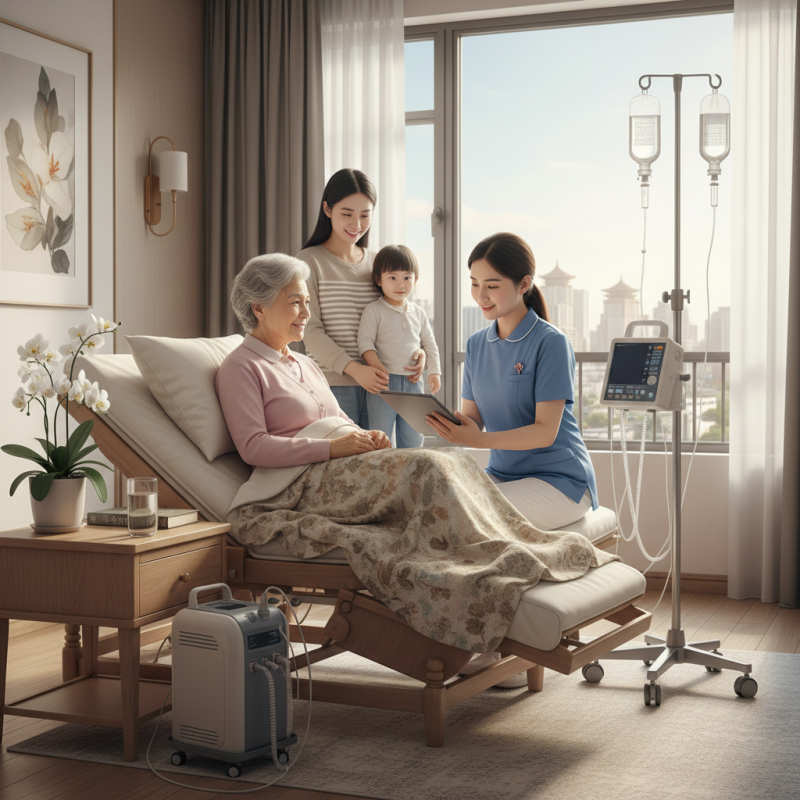
Home nursing has become increasingly important in China, especially as the population ages. Many families now seek nursing care at home for elderly or ill loved ones. This trend reflects a growing preference for personalized care in familiar surroundings. Home nursing can be a comforting option, allowing patients to recover in a setting they find peaceful.
However, setting up an effective home nursing environment can be challenging. Families must consider space, accessibility, and the specific needs of the patient. Adequate medical supplies, proper equipment, and trained caregivers are essential. It often requires guidance from professionals to ensure safety and comfort. Some families may find it hard to assess what resources are genuinely necessary.
Moreover, cultural differences can influence the approach to home nursing. Many families in China emphasize the importance of filial piety, often taking care of relatives themselves. This dedication can sometimes lead to caregiver burnout. Balancing familial duties with professional help is a delicate matter that families need to navigate. Addressing these challenges is essential for improving the home nursing setup in China.
Setting up a home nursing environment in China requires careful planning. Key considerations include safety, accessibility, and the availability of medical supplies. According to a report by the China Health Commission, over 250 million people need elder care, highlighting the demand for home nursing services. Ensuring that the space is easy to navigate is vital for patients with mobility issues.
Here are some essential tips for creating a supportive home nursing setup. Ensure proper lighting to avoid accidents. Non-slip mats in bathrooms can minimize falls. Stock essential medical supplies, including first aid kits and mobility aids, to cater to immediate needs. Don't overlook emotional well-being. Create a welcoming atmosphere with personal touches like family photos or favorite books.
Monitoring equipment, like blood pressure monitors, is critical. Recent studies suggest that patients feel more secure when they know their health is regularly checked. Be prepared for the unpredictability of care. Not every day will go as planned. Flexibility is key in home nursing, allowing caregivers to adapt to changing needs.
| Key Considerations | Description | Importance Level |
|---|---|---|
| Qualified Nursing Staff | Hiring licensed and experienced nurses to ensure quality care. | High |
| Medical Equipment | Providing essential equipment like wheelchairs, oxygen tanks, and monitoring devices. | High |
| Home Modifications | Altering the home environment to enhance safety and accessibility. | Medium |
| Patient-Centered Care Plans | Developing tailored care plans that meet individual patient needs. | High |
| Family Involvement | Involving family members in care to ensure holistic support. | Medium |
| Emergency Preparedness | Having a plan in place for medical emergencies or sudden changes in condition. | High |
| Regular Training | Ongoing education for nursing staff to stay updated on best practices. | Medium |
Creating a home nursing setup in China requires careful planning and the right equipment. Essential supplies can drastically improve patient care and comfort. According to a recent report, over 30% of older adults prefer receiving medical assistance at home. This trend highlights the importance of an efficient home nursing setup.
Key items for any home nursing environment include a quality hospital bed, which enhances mobility and comfort. A bedside commode can provide more convenience for patients with limited mobility. Monitoring equipment, such as blood pressure cuffs and thermometers, are vital for regular check-ups at home. Additional supplies, like wound care kits, can be critical for patients recovering from surgery.
Tips: Always review necessary certifications for medical equipment. Ensuring reliability is paramount when choosing supplies. Consider borrowing equipment when possible, as costs can add up quickly.
Maintaining a calming atmosphere is also important. Soft lighting and comfortable seating improve overall wellbeing. Home nursing setups should reflect a sense of home, yet contain all necessary medical resources. Regular reassessment of the setup is necessary to adapt to changing patient needs. Strive to make the environment as supportive and functional as possible.
Hiring qualified home healthcare professionals is crucial for effective home nursing setups in China. The quality of care significantly impacts patients' recovery and overall well-being. When looking for professionals, consider their qualifications and experience. It is essential to verify their certifications and any specialized training they may have. This ensures that they are equipped to handle specific medical needs.
Tips: Always ask for references. Previous employers can provide insights into the professional's reliability and skills. Conduct interviews to assess communication skills, as good communication fosters trust and comfort.
Finding the right fit goes beyond skills. Home healthcare providers must possess compassion and empathy. They should be attentive and respectful to patients' needs. Observe their interactions with the patient during the initial meetings. This can highlight if they truly understand the dynamics of home care.
Tips: Discuss your expectations openly. Ensuring the healthcare professional aligns with your family's values can lead to smoother interactions. Regular check-ins with both the professional and the patient can help address issues early on.
Home nursing in China faces unique challenges. One major issue is the
shortage of qualified caregivers. According to a report by the
China Health Commission, the ratio of nurses to patients is around 2.5 per 1,000 people.
This gap affects the quality of home care services. Caregivers often juggle multiple patients, leading to burnout.
Another challenge is the lack of standardized protocols. A survey indicated that over
60% of families felt unsure about the care procedures for their loved ones. This uncertainty can lead to errors
in medication and treatment. Developing clear guidelines is essential for improving the consistency of care.
Technology offers potential solutions. Telehealth services can bridge gaps in communication
and provide access to remote consultations. Research shows that telehealth could reduce hospital visits by 20%. Additionally, training
programs can enhance caregiver skills, supporting better patient outcomes. Investing in these areas
is crucial for the future of home nursing in China.
: Home nursing has gained significance due to the aging population. Families prefer personalized care in familiar environments.
Families face issues with space, accessibility, and patient needs. It's hard to assess what resources are truly necessary.
A quality hospital bed, bedside commode, and monitoring equipment are crucial. Wound care kits may also be required.
In China, filial piety leads many to care for relatives. This can cause caregiver burnout, complicating the balance with professional help.
Soft lighting and comfortable seating contribute to well-being. A calming atmosphere is essential alongside medical resources.
Always review necessary certifications for equipment. Borrowing supplies can reduce costs and ensure quality care.
Yes, regular reassessment helps adapt to changing patient needs. It’s crucial for maintaining a supportive and functional space.
Many find it difficult to identify essential resources without professional guidance. This oversight can lead to inadequate care.
Families may overlook the need for trained caregivers. This can compromise patient safety and comfort in the home environment.
Establishing an effective home nursing setup in China requires careful consideration of various factors. Firstly, understanding what home nursing entails is crucial, as it encompasses a range of healthcare services delivered in a patient's home. When contemplating what is the best solution for home nursing setup, one must assess the individual needs of the patient, ensuring that necessary equipment and supplies are readily available. This includes essential medical devices, mobility aids, and personal care items.
Additionally, hiring qualified home healthcare professionals is vital to provide the highest standard of care. Proper training, certifications, and experience are fundamental attributes to consider. Despite the advantages, challenges such as logistics, communication, and patient management may arise. Addressing these challenges with strategic solutions will facilitate a smoother implementation of the home nursing model, ultimately enhancing the quality of care provided to individuals in need.

Dgem Medical