Why is Height Adjustment Vital in Care Beds for Patients?

Time:2026-05-25 Author:Oliver
0%

Height adjustment plays a crucial role in care beds for patients. According to Dr. Sarah Thompson, a leading expert in patient care ergonomics, "Proper height adjustment can transform a patient's experience and improve their recovery." This highlights the significance of understanding why height adjustment is important in care beds.

Patients often experience discomfort if a bed is not at the right height. It affects their ability to get in and out of bed safely. Adjusting height can mitigate this issue, reducing the risk of falls and injuries. Not every patient is the same. Some may require a lower bed for safety; others need a higher one for easier access.

Moreover, caregivers benefit from adjustable beds as well. They can work more efficiently, reducing the strain on their backs. An ideal height allows them to provide better care without fatigue. However, not all care facilities prioritize this feature. It raises questions about patient safety and quality of care in such settings. Ultimately, understanding why height adjustment is important in care beds can enhance both patient comfort and caregiver effectiveness.
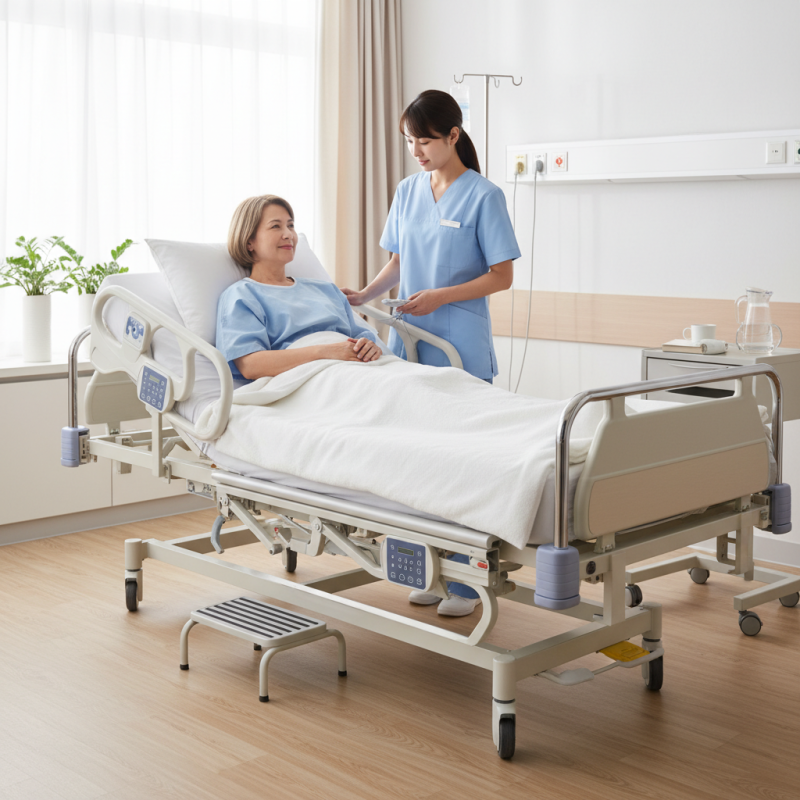
Why is Height Adjustment Vital in Care Beds for Patients?

Importance of Height Adjustment in Patient Care Beds

Height adjustment in care beds is a critical feature that often leads to better patient outcomes. Studies indicate that proper bed height can reduce the risk of falls and injuries. According to a recent report from the National Institute for Occupational Safety and Health, 30% of patient falls can be attributed to improper bed height. When caregivers can easily adjust the height of a bed, it helps facilitate safer transfers and enhances patient comfort significantly.

Positioning a bed at the right height supports effective caregiving. A study published in the Journal of Patient Safety found that a height-adjustable bed can enhance the caregiver's posture, reducing physical strain. This adjustment capability not only promotes staff safety but also helps in faster patient recovery. By addressing these ergonomic concerns, facilities can improve overall patient care while decreasing workplace injuries among staff.

Tips: Always assess the patient’s needs when adjusting bed height. Involve the patient when possible, as their comfort is paramount. Regular training for caregivers on using adjustable beds is essential to optimize safety. Remember, small adjustments can make a big difference in care delivery.

Physiological Benefits of Height Adjustability for Patients

Height adjustment in care beds is essential for patient well-being. Adjustable heights cater to diverse needs. This flexibility allows caregivers to provide better support. When beds are at optimal heights, patients are less likely to experience dislocation or strain during transfers.

The physiological benefits are impressive. Proper height reduces muscle strain for caregivers. Patients benefit too; a lower bed can make entry and exit easier. This design improves circulation, allowing patients to feel more comfortable. Height adjustability facilitates better positioning. It can relieve pressure on vulnerable body parts, enhancing overall comfort.

Tip: Ensure bed height aligns with the caregiver's waist. This minimizes physical strain during transfers. It also promotes better interaction and attention to patient needs. Regularly check bed mechanisms for smooth adjustments. Smooth operation is vital for both safety and comfort.

Enhancing Caregiver Efficiency with Adjustable Bed Heights

Adjustable bed heights play a crucial role in improving caregiver efficiency. Caregivers often face physical challenges when assisting patients. When beds are at a suitable height, it reduces strain. This can lower the risk of injury for both patients and caregivers. For instance, when a bed can be raised or lowered, it allows caregivers to maintain proper posture. This adaptability makes daily tasks easier.

Additionally, adjustable care beds can enhance patient comfort. When caregivers can easily access patients, they can provide timely assistance. This leads to better patient outcomes. A bed adjusted to the right height means caregivers can perform tasks like bathing or changing linens without hassle. However, not all caregivers may feel comfortable using these features. Training is essential. Sometimes, caregivers skip adjustments, believing it takes too long. But these small changes can make a big difference.

Consider the impact on workflow. An optimal bed height can streamline daily routines. When caregivers can work efficiently, patients receive faster care. Unfortunately, some facilities may not prioritize adjustable beds. This oversight can hinder caregiver performance. Investing in adjustable beds is not just about comfort; it signifies a commitment to quality care. Re-evaluating existing practices can lead to better health outcomes for all.

Safety Considerations Related to Bed Height Adjustments

Height adjustment in care beds is crucial for patient safety and comfort. Proper bed height ensures easy access for caregivers while reducing the risk of falls. When a bed is too high or too low, patients may struggle to get in or out safely. This can lead to serious injuries, especially among elderly or mobility-impaired individuals.

Additionally, staff members face challenges when beds are not appropriately adjusted. Lifting or lowering patients becomes a difficult task. This can lead to strain or injury for caregivers, compromising the quality of care. Maintaining the right height can help alleviate physical strain on staff and enhance overall efficiency in patient care routines.

However, adjusting the bed height is not without its challenges. Care facilities may find it hard to implement consistent policies. Variations in patient needs can make it difficult to determine the optimal height for each individual. This requires ongoing assessment and refinement in care strategies. Over time, ensuring proper bed height involves learning from experiences and adapting to changing patient requirements.

Impact on Patient Mobility and Comfort in Adjustable Beds

Adjustable care beds are essential for enhancing patient mobility and comfort. The ability to adjust height significantly impacts how patients get in and out of bed. Lowering the bed makes it easier for patients with limited mobility to transfer safely. It reduces the risk of falls. Safety features, such as side rails, play a crucial role here.

Height adjustment also offers customization for patient needs. A higher position can assist caregivers in providing effective care. This minimizes strain on caregivers' backs, making the process more efficient. Patients can experience less discomfort during routine procedures, which is vital for their mental well-being. However, not all adjustable beds provide the right range of height for every individual.

It’s important to assess these beds regularly. Maybe they adjust too slowly or not at all. These issues can compromise patient satisfaction and safety. Addressing such shortcomings is crucial. Investing time in choosing the right bed can change a patient's care experience for the better. This focus on height adjustment is not only about comfort but also about promoting independence and dignity for patients.

Why is Height Adjustment Vital in Care Beds for Patients? - Impact on Patient Mobility and Comfort in Adjustable Beds

Patient Condition Height Adjustment Feature Impact on Mobility Impact on Comfort
Post-Surgery Recovery Fully adjustable from 24" to 30" Encourages independence in movement Enhances ease of transfers
Chronic Illness Adjustable head and foot sections Facilitates easier repositioning Reduces pressure on sensitive areas
Elderly Patients Electric height adjustment Increases safety when getting in/out of bed Promotes restful sleep
Disabled Patients Customizable height settings Supports mobility aids Enhances overall user experience

FAQS

: Why is height adjustment important in patient care beds?

: Height adjustment leads to better patient outcomes, reducing the risk of falls and injuries significantly.

How does proper bed height affect caregivers?

It enhances caregiver posture, reduces physical strain, and promotes safety during patient transfers.

What physiological benefits do adjustable beds provide to patients?

Adjustability allows for easier entry and exit, improves circulation, and reduces muscle strain.

What should caregivers consider when adjusting bed height?

Always assess patient needs and involve them in height decisions for maximum comfort.

How can regular training help caregivers?

Training optimizes the use of adjustable beds, ensuring safety and improving care delivery.

What challenges do facilities face with bed height adjustments?

Consistent implementation can be difficult due to varying patient needs and ongoing assessments required.

Why is it important to regularly check bed mechanisms?

Smooth adjustments ensure both safety and comfort for patients and caregivers alike.

What risks do improper bed heights pose?

Beds that are too high or low can lead to falls and injuries, especially for vulnerable patients.

How does proper bed height enhance caregiver efficiency?

Maintaining the right height reduces strain on staff, making patient care routines more effective.

What should be reflected upon regarding height adjustment strategies?

Care facilities must continually learn and adapt to meet changing patient requirements for optimal care.

Conclusion

Height adjustment in care beds is crucial for both patient comfort and caregiver effectiveness. Understanding why height adjustment is important in care beds involves recognizing its physiological benefits, such as facilitating easier access for patients and reducing strain on caregivers. By allowing the bed to be modified to optimal heights, it enhances the safety and efficiency of care procedures, thus promoting better health outcomes.

Moreover, adjustable bed heights significantly impact patient mobility and overall comfort. This adaptability ensures that patients can reposition themselves with less effort, leading to improved emotional well-being and faster recovery times. Safety is also a paramount consideration, as the ability to lower a bed helps prevent falls and injuries, further underscoring the critical nature of height adjustment in patient care environments.

Oliver

Oliver

Oliver is a seasoned marketing professional with a wealth of expertise in driving brand awareness and engagement. With a deep understanding of our company's product offerings, he consistently delivers high-quality content that enriches our professional blog. His insights not only shed light on......