Healthcare facilities consistently upgrade their beds. This practice raises an important question: "why do healthcare facilities upgrade their beds regularly?" According to Dr. Ellen Rivera, an expert in healthcare systems, “Upgrading beds is crucial for patient comfort and safety.” Her insight highlights the importance of investing in modern healthcare equipment.
Upgrading beds is not just about comfort. It directly impacts patient care. Newer models often come with advanced features. They support better mobility and reduce injury risks. Hospitals want to meet the evolving needs of patients. Furthermore, as technology advances, so do expectations. Patients today seek improved experiences and enhanced care quality.
Nonetheless, it can be a challenge for facilities to make these upgrades. Budget constraints may hinder timely replacements. Facilities must balance financial realities with patient care needs. This complexity reveals a deeper reflection on healthcare priorities. It’s essential to evaluate not only the necessity of these upgrades but also their implications for overall healthcare quality.
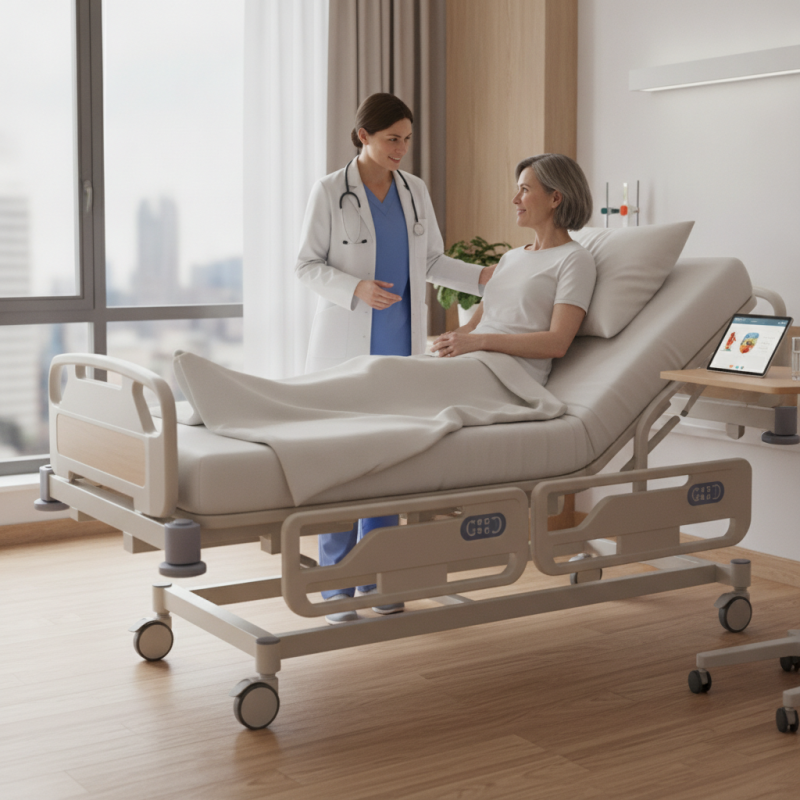
Healthcare facilities regularly upgrade their hospital beds for various reasons. One primary factor is patient comfort. Newer beds often feature advanced ergonomic designs that cater to individual needs. These upgrades enhance the overall patient experience, contributing to faster recovery times.
Another significant influence is compliance with safety regulations. Healthcare standards evolve over time, requiring facilities to adapt accordingly. Older beds may not meet current safety protocols. Facilities must ensure they provide a secure environment for both patients and staff. Failing to comply can lead to legal challenges and reduced trust within the community.
Technological advancements also play a crucial role. Modern beds come equipped with features like adjustable positioning and built-in monitoring systems. These innovations allow for better patient care and can reduce the workload for nursing staff. However, the cost of upgrading can be a concern. Balancing budget constraints with the need for improved facilities presents a challenge for many healthcare administrators.
Patient comfort and safety are paramount in healthcare. A study by the Agency for Healthcare Research and Quality (AHRQ) highlights that patient satisfaction scores correlate with the quality of bed design. Beds that allow for easy adjustments provide better support for patients of all body types. These adjustments help to minimize the risk of bed sores and enhance mobility, which are crucial for recovery.
Research shows that approximately 50% of hospital readmissions are linked to preventable complications. Comfortable beds can play a significant role in reducing such risks. The National Institutes of Health (NIH) indicates that proper support and comfort can lead to shorter stays in hospitals. Facilities that prioritize well-designed beds often see lower infection rates as well. However, challenges remain. Upgrading beds incurs substantial costs, and hospitals must juggle budgets with the need to provide high-quality environments.
A conscious effort to improve bed design is essential. Yet, not all facilities can access the latest models. It’s critical for healthcare facilities to keep an eye on their budgets while focusing on patient outcomes. Striking this balance is a complex, ongoing process that demands careful evaluation and reflection.
Healthcare facilities are increasingly upgrading their beds due to rapid technological advancements. These innovations go beyond mere comfort. They enhance patient safety, well-being, and operational efficiency. An advanced bed can adjust to multiple positions. This aids mobility and reduces the risk of bedsores. Features like built-in monitoring systems have become common. They help track a patient’s vital signs in real-time.
Moreover, these upgrades often reflect a facility’s commitment to quality care. Staff become more efficient with improved equipment. However, there is a challenge. Implementing new technology requires training, which can be resource-intensive. Facilities must balance modernization with their budget. Some may find their existing beds still serve basic needs but lack the latest functions.
Technological advancements are not without their flaws. For instance, some patients find high-tech beds intimidating. The complexity can create discomfort. Facilities must consider patient experiences while integrating new technologies. It is crucial to find a balance between innovation and comfort to provide the best care.
| Dimension | Description | Impact |
|---|---|---|
| Safety Features | Advanced bed designs now include safety rails, automatic braking systems, and pressure sensors. | Reduced patient falls and injuries, enhancing overall patient safety. |
| Comfort | Modern beds are equipped with adjustable mattresses and ergonomic designs to improve patient comfort. | Increased patient satisfaction and likelihood of positive recovery outcomes. |
| Technology Integration | Smart technologies for monitoring vital signs and connecting with healthcare systems. | Enhanced real-time patient monitoring and timely medical responses. |
| Durability | New materials and construction methods improve the lifespan of hospital beds. | Lower costs over time due to reduced maintenance and replacement needs. |
| Infection Control | Antimicrobial surfaces and easy-to-clean designs help in infection control. | Decreased healthcare-associated infections, promoting better patient outcomes. |
Upgrading hospital beds is not merely an aesthetic choice. It's a critical component of healthcare improvement. Recent studies show that modern beds can increase patient safety and comfort, leading to improved recovery rates. For example, hospitals that invest in advanced beds have reported a 30% reduction in pressure injuries. This translates into significant cost savings. The average cost of a pressure injury treatment can be upwards of $70,000.
Beyond efficiency, newer beds often integrate technology. Beds with adjustable features enhance ergonomics for caregivers. This reduces staff fatigue and lowers turnover rates. The healthcare sector has found that facilities with upgraded beds experience a 20% decrease in work-related injuries among staff. This improvement is essential for maintaining a reliable workforce in hospitals.
While many facilities recognize the value of investments, budget constraints pose challenges. A comprehensive cost-benefit analysis is necessary. Facilities must evaluate upfront costs against long-term savings. Sometimes, initial expenditures can seem daunting. However, the longevity and enhanced functionality of new beds often justify the investment. Each facility should critically assess its unique needs before making a decision. This thoughtful approach can lead to more substantial healthcare outcomes.
This chart illustrates the relative cost-benefit impact percentage of various factors that motivate healthcare facilities to upgrade their hospital beds. Improved patient comfort emerges as the leading factor, followed by reduced maintenance costs and enhanced safety features. These considerations are vital in understanding the overall investment rationale behind regular upgrades in hospital bed systems.
Upgrading beds in healthcare facilities is driven largely by regulatory standards. These standards ensure patient safety and comfort. Compliance with regulations can prevent costly lawsuits and damage to a facility’s reputation. Regular assessments help institutions stay updated with the latest requirements.
When upgrading equipment, consider the following tips. First, prioritize patient-centered design. A well-designed bed promotes patient mobility and comfort, directly impacting recovery. Second, engage staff in the selection process. Their insights can reveal what features are most beneficial for patient care.
Finally, evaluate long-term costs versus short-term savings. Cheaper options may not meet regulatory standards over time. Investing in high-quality equipment ensures compliance and enhances service quality. Regular audits are essential to maintain standards. Consider this with every upgrade decision.
: Patient comfort affects satisfaction scores and recovery. Comfortable beds enhance mobility and reduce risk of complications.
Poor bed design can lead to complications. This often results in up to 50% of readmissions being preventable.
Facilities with better beds report lower infection rates. Comfort and support are crucial in preventing serious issues.
Yes, while upgrades improve patient care, they come with significant upfront costs. Facilities need to analyze budgets carefully.
Upgraded beds can reduce pressure injuries by 30%. This results in substantial savings on treatment costs, which can exceed $70,000 per case.
Beds with adjustable features enhance ergonomics. This reduces caregiver fatigue and lowers turnover rates in staff, which is beneficial.
Each facility must perform a cost-benefit analysis. Assessing long-term savings against initial costs is essential for informed decisions.
Many face budget constraints. Not all have access to the latest models, making upgrade decisions complex.
A careful evaluation of unique needs and ongoing reflection on costs versus patient outcomes is critical.
Facilities must balance costs with the need for better patient care. It requires ongoing evaluation and resources to address effectively.
Healthcare facilities upgrade their beds regularly for several key reasons. One primary factor is the need to enhance patient comfort and safety, as modern bed designs focus on improving the overall patient experience and reducing the risk of injuries. Additionally, technological advancements in bed innovation facilitate better patient monitoring and mobility, making it crucial for hospitals to stay up-to-date with the latest equipment.
Cost-benefit analysis plays a significant role in determining whether to invest in new beds, weighing the potential benefits against the costs involved. Furthermore, regulatory standards and compliance requirements necessitate that healthcare facilities maintain their equipment to meet safety protocols. Ultimately, understanding why do healthcare facilities upgrade their beds regularly reveals a commitment to providing high-quality care and ensuring patient well-being.

Dgem Medical