What Features Should A Medical Bed Have For Elderly Patients?

Time:2026-07-22 Author:Isabella
0%

When considering what features should a medical bed have for elderly patients, experts emphasize the importance of safety and comfort. Dr. Rebecca Williams, a leading geriatric specialist, states, "The right bed can transform care for the elderly." This highlights the potential impact of a well-designed medical bed on the lives of senior patients.

A medical bed tailored for elderly individuals should prioritize adjustable height. This feature assists caregivers with transfers, reducing the risk of injury. Additionally, beds should include side rails to prevent falls. Many elderly patients struggle with movement, so additional support is essential.

Moreover, pressure-relief mattresses can prevent bedsores. These beds must also have user-friendly controls to aid those with limited mobility. Assessing these features ensures that the specific needs of elderly patients will be met. As we delve deeper into this topic, it becomes evident that not all medical beds are created equally. Understanding these essential features is critical for improving care quality.
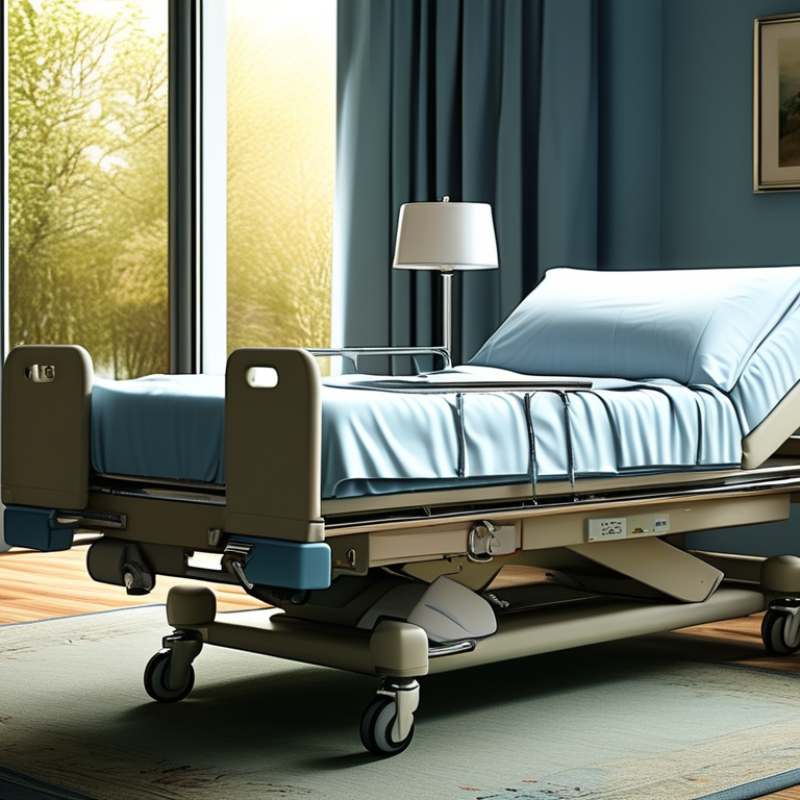
What Features Should A Medical Bed Have For Elderly Patients?

Essential Design Features for Elderly Medical Beds

When designing medical beds for elderly patients, specific features significantly enhance comfort and safety. Adjustable height is crucial. It allows caregivers easy access without strain. According to a study published in the Journal of Nursing Research, beds that adjust from 24 to 30 inches help reduce injuries related to patient handling.

Side rails are another essential feature. These rails minimize the risk of falls, which is a common issue among elderly individuals. The World Health Organization reported that falls are the second leading cause of unintentional injury deaths globally. Additionally, choosing a bed with pressure-relieving mattresses can combat bedsores. Research indicates that up to 30% of bedridden patients develop pressure ulcers during their stay. Proper mattress support is vital in preventing these complications.

Another consideration is ease of use. Users benefit from intuitive controls for adjustments. Healthcare professionals often express frustration with complicated systems. Ergonomic designs promote independence for elderly patients, yet not all products on the market prioritize this. Improving usability is an ongoing challenge in the industry. Recognizing these gaps can drive better solutions in future bed designs.

What Features Should A Medical Bed Have For Elderly Patients? - Essential Design Features for Elderly Medical Beds

Feature Description Importance
Adjustable Height Allows for easy access for patients and caregivers, reducing strain during transfers. High
Side Rail Safety Keeps patients from falling out of bed, providing security during sleep or rest. High
Mattress Quality Should be pressure-relieving and comfortable to prevent bed sores. High
Trendelenburg Positioning Allows for positioning of the patient’s body for certain medical needs. Medium
Wheels for Mobility Facilitates easy movement of the bed within a care facility or home. Medium
Remote Controls Enables patients to adjust their bed settings without assistance. High
Integrated Lighting Provides visibility at night to reduce falls when patients get out of bed. Medium
Hygienic Surfaces Materials that are easy to clean and resistant to bacteria. High

Adjustable Height Mechanisms for Patient Comfort

Adjustable height mechanisms are crucial for medical beds designed for elderly patients. These features enhance comfort and accessibility. When a bed can be raised or lowered, it simplifies getting in and out. This is especially important for those with mobility challenges. A well-designed mechanism allows caregivers to adjust the bed's height quickly. This reduces strain on their backs while providing better support for the patient.

Consider the common scenarios in a patient's daily routine. An adjustable bed can facilitate easier transfers from a wheelchair. It can be set low for safe entry and exit. At the same time, it can be elevated for optimal care during medical procedures. However, not all beds offer the same level of adjustability. Some may have limited height options, which can hinder proper care.

User experience also matters. Patients often express discomfort with fixed-height beds. Their needs can change daily, making flexibility essential. Sometimes, beds that promise adjustability might have mechanical issues. Regular maintenance is necessary to ensure functionality. Caregivers should frequently assess the bed’s condition. This reflection is vital to ensure the patient's overall well-being.

Safety Features to Prevent Falls and Injuries

When considering medical beds for elderly patients, safety features are paramount. A bed with adjustable height can significantly reduce fall risks. By lowering the bed for easier access, patients can avoid unnecessary strain, helping them stay independent longer. Railings on either side offer crucial support when getting in and out of bed. These prevents falls during nighttime trips to the bathroom or while shifting positions.

Another key feature is the anti-slip surface of the mattress. This can provide stability and minimize the chance of slips. Cushioned edges also add a layer of safety. They prevent sharp corners from causing injuries. A bed that incorporates alarm systems can alert caregivers if a patient attempts to get out unassisted. This timely response can make all the difference in preventing accidents.

Mobility aids should also be integrated. Handgrips at strategic locations allow patients to pull themselves up gradually. This encourages safe movement. Some may argue that certain high-tech features are excessive. However, finding a balance between innovation and functionality is essential for enhancing safety in bedridden patients. Tailoring these beds to individual needs may require trial and feedback from caregivers. This iterative process can yield better overall outcomes.

Support Systems for Mobility and Daily Activities

When considering medical beds for elderly patients, support systems play a crucial role. Mobility is often a challenge for seniors. A bed designed with adjustable height can assist them in getting in and out with ease. This feature reduces the risk of falls, which can be devastating. Additionally, beds that can be raised or lowered help caregivers perform tasks more comfortably.

Daily activities such as reading or watching TV become easier with adjustable backrest angles. Many elderly patients find comfort in sitting up slightly. This feature can enhance their quality of life. Another vital aspect is side rails. They provide support and help patients feel secure. However, they also present a risk of entrapment if not designed properly. It's essential to ensure that they are easy to use and safe.

Furthermore, a robust mattress is necessary. It should provide proper support to prevent pressure sores. Some beds come with air circulation features. This can enhance comfort and reduce heat buildup. Overall, while medical beds offer enhanced mobility support, they must be critically assessed for safety and comfort issues. A balance between usability and security is essential in designing these beds.

Integration of Technology for Health Monitoring and Assistance

In modern healthcare, integrating technology into medical beds for elderly patients is essential. These beds can go beyond mere comfort and support health monitoring. Advanced features enhance safety and provide assistance, making life easier for caregivers and patients alike.

One critical element is built-in sensors that monitor vital signs. These sensors can provide real-time data to healthcare providers, helping them track changes promptly. Additionally, beds equipped with alert systems can notify caregivers if a patient falls or needs assistance. This technology promotes quicker response times and increases patient safety.

Tips: Choose a bed with adjustable height features to ease transfers. Look for those that can elevate in response to alerts, promoting mobility. Ensure compatibility with other smart devices for seamless health monitoring.

Integrating technology is not without challenges. Some devices may malfunction or require updates, causing frustration. It's important to regularly review and maintain these features. Engage with healthcare professionals to ensure technologies meet actual needs, creating a more supportive environment for elderly patients.

FAQS

: What are essential safety features for medical beds?

: Adjustable height reduces fall risks. Railings provide support when getting in and out of bed.

How does an adjustable height benefit elderly patients?

It allows easier access, helping them avoid strain and maintain independence.

What role do railings play in medical beds?

Railings offer crucial support, preventing falls during nighttime movements.

Why is an anti-slip mattress surface important?

It minimizes the chance of slips, enhancing stability for patients.

How can alarm systems improve patient safety?

They alert caregivers if a patient attempts to get out unassisted, enabling a timely response.

What impact do mobility aids have in medical beds?

Handgrips help patients pull themselves up, encouraging safe movement.

Are high-tech features necessary in medical beds?

Some may find them excessive, but innovation can enhance safety if balanced with functionality.

What common concern exists with side rails?

If not designed properly, they can pose a risk of entrapment.

How do adjustable backrest angles help patients?

They make activities like reading or watching TV more comfortable and accessible.

Why is it important to assess safety and comfort in medical beds?

A balance between usability and security is crucial for overall patient well-being.

Conclusion

When considering what features should a medical bed have for elderly patients, several essential design elements come into play. Adjustable height mechanisms are crucial for enhancing patient comfort, allowing easier access for both the patient and caregivers. Safety features, such as guardrails and anti-slip surfaces, are vital to prevent falls and injuries, ensuring a secure environment for users.

Additionally, support systems tailored for mobility and daily activities are necessary to promote independence and ease of use. Integration of technology for health monitoring and assistance plays a significant role in modern elderly care, enabling real-time updates on a patient's condition and providing timely interventions. A well-designed medical bed can significantly enhance the quality of life for elderly patients, making it an essential consideration in geriatric healthcare.

Isabella

Isabella

Isabella is a dedicated marketing professional with a sharp focus on driving brand growth and engagement through strategic content creation. With an extensive background in digital marketing, she combines her passion for storytelling with her keen understanding of industry trends to deliver......