In healthcare settings, patient beds play a crucial role in safety and comfort. Dr. Emily Carter, a renowned expert in medical equipment safety, emphasizes the importance of understanding "what safety features are required for patient beds." She states, "A well-designed bed can prevent falls and enhance overall patient care."
Patient beds must include various safety features. For instance, adjustable side rails are vital. They help prevent patients from rolling off the bed. Additionally, electronic controls should be user-friendly for both patients and caregivers. This ensures that adjustments can be made quickly and safely.
Furthermore, the bed's height should be adjustable to facilitate easy transfers. A low height can minimize the risk of falls as patients move in and out of bed. However, not all beds incorporate these essential features. It’s essential for healthcare facilities to evaluate their beds continuously. Investing in beds that prioritize safety can greatly impact patient recovery and well-being.
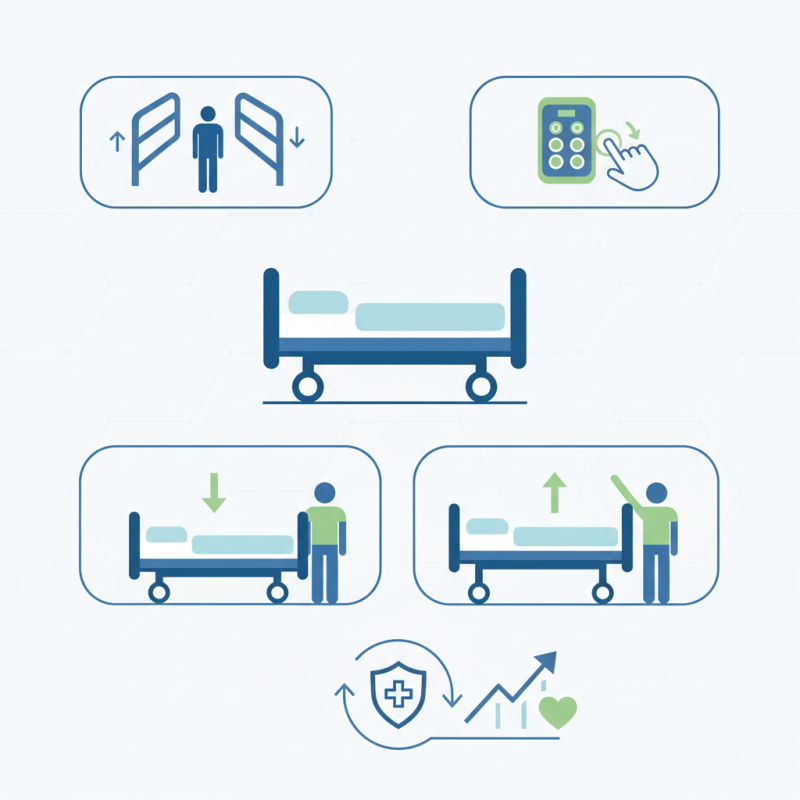
Patient beds are crucial in healthcare settings. Understanding their safety features protects both patients and staff. According to the American Journal of Nursing, falls are a significant cause of injury among patients in hospitals. Enhanced safety features can drastically reduce these risks.
One key feature is adjustable side rails. Properly designed rails can prevent accidental falls during the night. A study by the National Institute for Occupational Safety and Health reveals that beds with adjustable rails can reduce fall rates by up to 30%. However, improper use of side rails can also pose hazards, making user education essential.
Another important element is bed mobility. Many beds now come with brakes and locking mechanisms. This design ensures stability when being accessed by patients. A report by the World Health Organization found that mobility-enabled beds reduce the incidence of pressure ulcers. However, staff must remember that not all beds are the same. Regular training is necessary to recognize each bed's unique features and limitations.
When it comes to patient beds, safety features are vital. Bed rails are perhaps the most recognized. They prevent falls and provide support for patients trying to get in and out of bed. Adjustable height options enhance accessibility for caregivers. Yet, bed rails can be a double-edged sword. They may restrict movement for some patients, leading to frustration and discomfort.
Locking mechanisms are another critical aspect. These features ensure that the bed remains stable during use. A reliable locking system prevents unintended adjustments that could pose risks. However, one must reflect on the ease of use. Complicated locks may confuse caregivers or patients. Training in proper use is essential.
Other features include patient alarms and breakaway sections. Alarms alert staff if a patient tries to exit the bed unsupervised. Breakaway sections allow safe egress in emergencies. While these additions enhance safety, they require regular testing. Regular maintenance checks are crucial to ensure effectiveness. Safety features are necessary, but they are only as good as their implementation.
When evaluating the stability and mobility of patient beds, several factors play a critical role. Stability is vital for preventing falls and ensuring patient safety. A sturdy frame provides support but also limits movement. A bed that is too rigid can restrict a patient's ability to reposition themselves. Ensuring proper balance is essential. A wobbly bed frame raises concerns. Regular inspections are crucial.
Mobility is another important consideration. Beds should easily adjust to different heights. This can help caregivers transfer patients safely. However, beds that move too easily may pose risks. Patients could inadvertently change positions without realizing it. A tension control mechanism can address this issue. It is essential to find a balance between ease of movement and stability. Comfort should not come at the cost of safety.
Evaluating these features requires a keen eye and experience. Understanding the needs of patients is crucial. What works for one individual may not suit another. Take the time to assess each bed's design and stability. Engage with caregivers for their insights. They often notice things that may be overlooked by others. In the end, a thoughtful evaluation can lead to better safety and comfort in patient care.
In modern healthcare facilities, patient safety is crucial. One critical feature is the incorporation of pressure relief systems in patient beds. These systems help prevent pressure ulcers, which affect nearly 2.5 million patients in the U.S. each year, according to the National Pressure Injury Advisory Panel. Pressure ulcers can lead to severe complications, including infections that may require prolonged hospital stays.
Various pressure relief technologies are available, such as alternating pressure mattresses and foam overlays. Hospitals that implement these systems observe a significant decrease in ulcer prevalence. Studies show that using advanced pressure relief systems can reduce hospital-acquired pressure injuries by up to 50%. This statistic reflects the importance of investing in effective safety solutions for patient care.
Yet, not all healthcare facilities are equipped with the latest pressure relief technologies. Some beds still rely on basic foam mattresses, which may not provide adequate support for at-risk patients. This gap in technology raises concerns about patient outcomes and safety. Continuous education and training for healthcare providers on utilizing these systems are essential for maximizing their benefits. The choice of pressure relief system should align with patient needs, ensuring optimal safety in every case.
When considering patient bed safety, understanding regulatory standards is crucial. These standards outline necessary safety features, such as bed height adjustments and secure side rails. Properly designed beds can reduce fall risks, which are common in healthcare settings. Each design element plays a role in ensuring patient safety.
Tip: Always assess the bed’s weight capacity. An appropriate weight limit is vital for patient support. Regularly check for any wear and tear. This ensures that safety features remain functional.
In addition to standards, best practices enhance patient care. Staff training is essential. Employees should know how to operate beds safely. Communication between staff about patient needs fosters a safer environment. Consider the use of alarms that alert caregivers when beds are adjusted, which can prevent accidents.
Tip: Keep the bedding tidy and free of obstructions. A clean area enhances safety and comfort. Regular safety audits can identify potential hazards. These simple checks can lead to significant improvements in patient bed safety.
: Stability prevents falls and ensures patient safety, supporting better outcomes during care.
A rigid frame can restrict patients' ability to reposition, impacting their comfort significantly.
Caregivers often notice stability issues that may be overlooked, contributing to better safety measures.
These systems help prevent pressure ulcers, which affect millions and can lead to serious complications.
They can reduce hospital-acquired pressure injuries by up to 50%, showing their importance in patient safety.
Budget constraints and outdated equipment can lead to inadequate support for at-risk patients.
Factors like stability, mobility, and patient comfort are essential to ensure safety in care settings.
They balance ease of movement with safety, minimizing unintended position changes by patients.
Ongoing training ensures that providers effectively utilize pressure relief systems for optimal patient outcomes.
No, comfort should never compromise safety; balancing both is crucial in patient care.
When considering patient care, understanding what safety features are required for patient beds is crucial for ensuring the well-being of individuals. Essential safety features include bed rails that prevent falls, reliable locking mechanisms to keep the bed stationary, and stability measures to accommodate various patient mobility needs. Additionally, incorporating pressure relief systems is important to prevent pressure ulcers, further enhancing patient safety.
Evaluating patient beds also involves adhering to regulatory standards and best practices that guide the design and manufacture of these essential healthcare tools. By prioritizing these safety features, healthcare providers can create a safer environment for patients, minimizing risks and promoting better outcomes during their recovery.

Dgem Medical