Choosing the right medical bed for elderly patients is crucial for their comfort and care. What features should a medical bed have for elderly patients? This question is fundamental in ensuring safety and support. Aging individuals often face mobility issues, requiring beds that adapt to their needs.
Key features can significantly impact their quality of life. For example, adjustable height is vital for easy access. Safety rails provide security, preventing accidental falls. Moreover, pressure-relief surfaces help reduce the risk of bedsores. These are not just nice additions; they are necessities.
Understanding what features a medical bed should have for elderly patients requires experience and expertise. The right bed can facilitate better health outcomes. Inadequate choices may lead to discomfort or injuries. Each feature plays a role in promoting independence and dignity. Investing in proper medical beds is essential for caregivers and families alike.
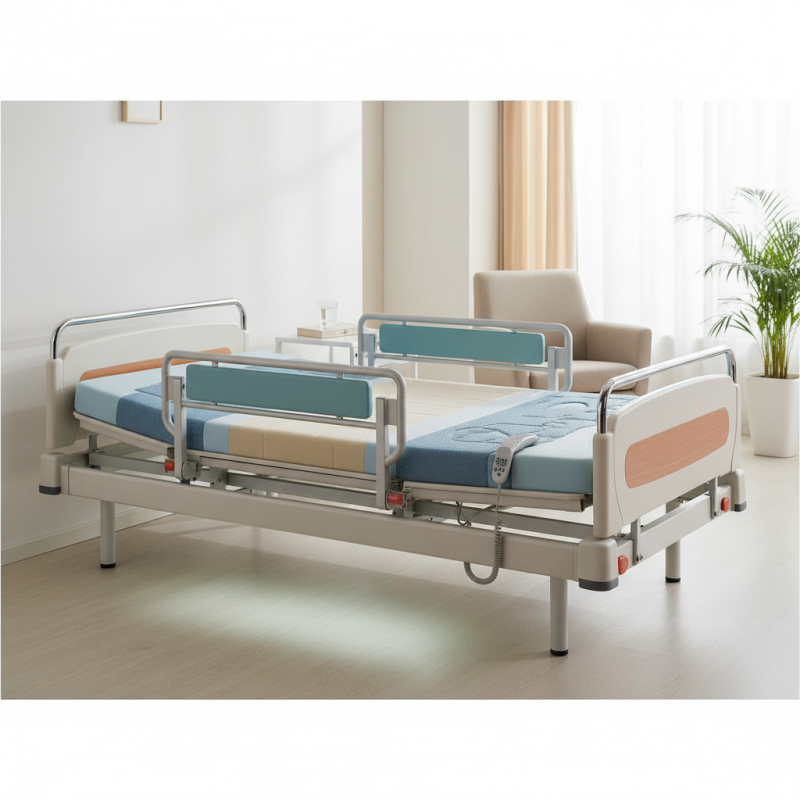
When selecting a medical bed for elderly patients, safety features are paramount. A bed with adjustable height helps caregivers attend to the patient easily. This feature reduces the risk of back injuries for caregivers. Stability is another important aspect. A sturdy frame can prevent falls, offering peace of mind to both patients and their families.
Side rails are essential on medical beds. They not only provide support for getting in and out of bed but also act as protective barriers. These rails should be adjustable and easy to use. A non-slip surface can enhance safety, preventing accidental slips while getting in and out. Moreover, an emergency alert system is crucial. This feature allows patients to call for help when needed.
Lighting is often overlooked. Bedside lights can help patients see clearly when they wake up at night. This reduces the chance of falls. Some beds offer integrated lights, illuminating the area without disturbing others. Easy access to controls is vital as well. Patients should easily adjust their beds without help. All these features work together to create a safe environment for elderly patients, making their experience more comfortable and secure.
| Feature | Description | Importance |
|---|---|---|
| Adjustable Height | Allows caregivers to raise or lower the bed for easier access and comfort. | Enhances patient safety and ease of transfer. |
| Side Rails | Provides support and prevents falls from the bed. | Essential for safety, especially for restless patients. |
| Pressure Relief Mattress | Helps prevent bedsores by distributing weight evenly. | Critical for bed-bound patients. |
| Mobility Features | Wheels or casters to easily move the bed. | Facilitates cleaning and repositioning. |
| Electric Controls | Allows easy adjustment of bed position via remote control. | Improves convenience for both patient and caregiver. |
| Emergency Power Backup | Ensures functionality during power outages. | Enhances safety in emergencies. |
| Adjustable Backrest | Allows patients to sit up comfortably. | Promotes better digestion and comfort. |
| Built-in Safety Lock | Prevents unintended movement of the bed. | Critical for patient safety. |
| Non-Slip Surface | Prevents slipping of sheets and accessories on the bed. | Improves overall safety and comfort. |
| Height Adjustments for Foot Rest | Allows adjustment of foot elevation. | Enhances circulation and comfort. |
: Elderly patients have specific health needs, and a suitable mattress enhances comfort and sleep quality.
Memory foam and gel-infused mattresses are good options due to their pressure relief and adaptability.
Breathable mattresses prevent overheating, helping elderly patients maintain a comfortable sleeping temperature.
A balanced firmness is essential. Too soft or too firm may cause discomfort and affect posture.
It should offer various positions for easier movement, but adequate support is crucial.
Simple buttons and clear labeling help reduce confusion, especially during emergencies for patients and caregivers.
They reduce strain on caregivers' backs and allow safe patient transfers, minimizing the risk of injury.
A locking mechanism to prevent movement and illuminated buttons enhance safety and usability at night.
Considering practical features can lead to better patient care and ease for caregivers.
Caregivers often struggle with height adjustments and patient movement, highlighting the need for user-friendly designs.
When considering what features should a medical bed have for elderly patients, several essential elements come to the forefront. Key safety features are crucial, ensuring stability and minimizing the risk of falls. Additionally, adjustable height mechanisms greatly enhance accessibility, making it easier for patients and caregivers to manage transfers and comfort.
Supportive mattress options tailored to address common health concerns in elderly individuals are also vital for promoting better rest and recovery. Integrated mobility solutions facilitate smooth patient transfers, further supporting independence and safety. Lastly, user-friendly controls are necessary to assist caregivers in providing efficient and compassionate care. Together, these features create a comprehensive medical bed that meets the unique needs of elderly patients.

 Dgem Medical