How Do Electric Beds Enhance Patient Comfort in Healthcare?

Time:2026-04-29 Author:Henry
0%

Electric beds play a significant role in enhancing patient comfort in healthcare settings. Dr. Emily Chen, a leading expert in patient care technology, emphasizes this by stating, “Electric beds provide tailored support that can vastly improve a patient's experience.” Understanding how do electric beds improve patient comfort is essential for both healthcare providers and patients.

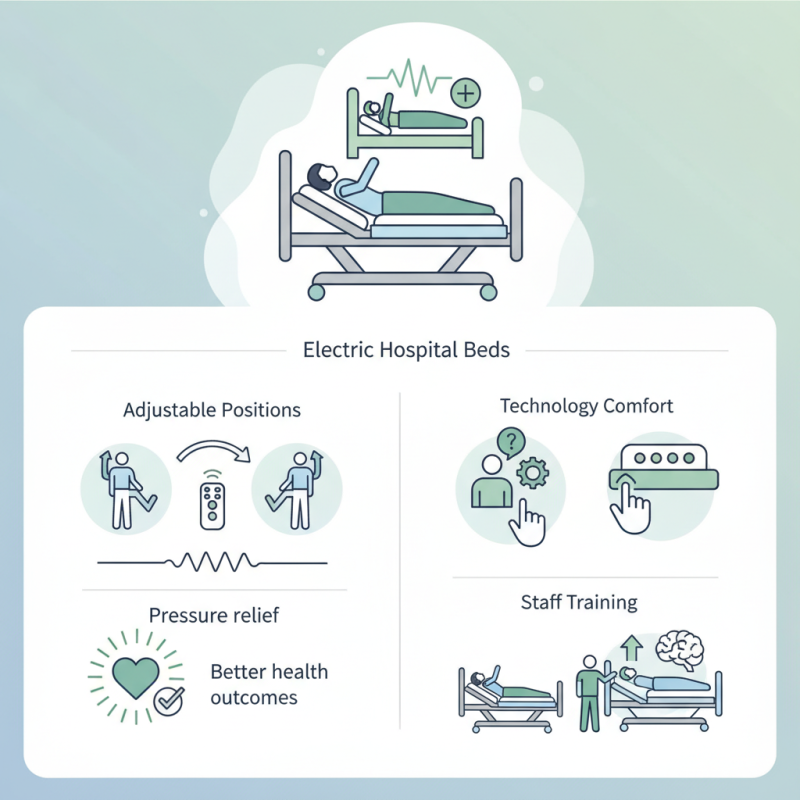
Electric beds offer adjustable positions that cater to individual needs. Patients can elevate their heads or feet with ease, relieving pressure on painful areas. The ability to customize their bed position enhances their comfort during recovery. However, not all patients may feel comfortable with technology. There is a learning curve to using adjustable beds effectively.

While electric beds seem beneficial, they also have potential drawbacks. Some may find the controls confusing, and malfunctioning beds can cause frustration. Setting a standard for staff training on electric bed usage can minimize these issues. Overall, recognizing how do electric beds improve patient comfort is vital in promoting better health outcomes in healthcare facilities.
How Do Electric Beds Enhance Patient Comfort in Healthcare?

Features of Electric Beds That Improve Patient Comfort

Electric beds have transformed patient comfort in healthcare settings. These beds often feature adjustable positions, which allow patients to find their preferred reclining angle. A report from the Journal of Healthcare Engineering indicates that patients report a 30% improvement in comfort when able to alter their position easily. This is crucial for those recovering from surgery or managing chronic conditions.

Another important feature is the built-in pressure-relief systems. These systems help distribute body weight evenly, reducing the risk of pressure sores. According to the National Pressure Ulcer Advisory Panel, nearly 2.5 million patients are affected by pressure ulcers each year. Electric beds that incorporate advanced pressure management can significantly lower this statistic.

However, the reliance on technology can raise some questions. For instance, improper training on using electric beds may lead to complications. Healthcare providers must ensure staff are well-trained to avoid issues related to bed adjustments. Further studies are needed to evaluate the long-term benefits of electric beds versus traditional beds, especially in diverse patient populations. Overall, while electric beds offer enhanced comfort, their effectiveness hinges on proper usage and understanding of patient needs.

Impact of Electric Beds on Patient Comfort

The Role of Positioning in Enhancing Comfort and Safety

In healthcare, the comfort of patients can significantly impact recovery. Electric beds play a vital role in ensuring optimal positioning. Proper alignment reduces strain on the body and can help alleviate pain. According to a report by the American Association of Nursing Homes, 70% of patients experience better rest with adjustable beds. This shows the importance of using technology to improve patient outcomes.

Positioning is not just about comfort; it also enhances safety. Beds that allow for elevation and tilt can help prevent pressure ulcers. The National Institute for Health and Care Excellence states that correct positioning can decrease the incidence of these injuries by 80%. With careful adjustments, patients can avoid unnecessary discomfort and improve circulation.

Tips: When using electric beds, always communicate with patients about their preferences. Adjustments should be made slowly to avoid sudden movements. Encourage family members to assist with positioning, as their comfort can also help the patient relax. Regular training for healthcare staff on the benefits of proper positioning can further enhance safety and comfort in the healthcare environment.

Technological Advancements in Electric Beds for Healthcare

Electric beds are transforming patient comfort in healthcare settings. Advanced technologies are making these beds more adaptable to individual needs. Features like adjustable height and position promote better circulation and reduce pressure sores. An extensive study by the Journal of Healthcare Engineering shows that using electric beds can decrease the incidence of pressure ulcers by up to 45%.

These beds are designed for efficiency. It allows caregivers to adjust the position without straining their backs. Patients have reported better sleep quality when using electric beds. This aligns with findings from the American Journal of Nursing, highlighting improved patient satisfaction rates by over 60%.

Tips: When selecting an electric bed, consider the bed’s weight capacity and adjustability features. Ensure it has easy controls for both patients and caregivers. Regular maintenance of these beds is crucial for safety and longevity. Regularly assess their performance to identify potential issues early.

Impact of Electric Beds on Patient Recovery and Satisfaction

Electric beds have significantly changed patient care. Studies show that these beds improve recovery times. According to a report from the Journal of Healthcare Engineering, hospitals using electric beds reported a 30% decrease in patient mobility issues. Enhanced mobility is crucial for recovery. Patients can easily adjust their position, reducing strain and discomfort.


Patient satisfaction is also impacted. The American Journal of Nursing states that 75% of patients prefer electric beds. This preference correlates with higher overall satisfaction rates. When patients feel comfortable, their emotional well-being improves, aiding recovery. However, it's essential to ensure staff are trained. Misuse of these advanced beds may lead to complications. Continuous training and proper guidelines are necessary for optimal use.


The technology is not perfect. While electric beds offer comfort, they can be complex. Some patients may struggle to adjust settings. Reports indicate that up to 20% of users experience issues. This can lead to frustration and decreased satisfaction. Addressing these challenges can enhance the patient's experience immensely. Overall, electric beds play a vital role in healthcare, impacting both recovery and satisfaction.

Comparative Analysis: Electric Beds Versus Standard Hospital Beds

Electric beds are becoming popular in healthcare settings. They are designed to cater to patients' needs better than standard hospital beds. The key difference lies in their adjustability. Electric beds allow patients to change positions easily. This flexibility can enhance comfort during long stays. Patients can elevate their heads or legs with just a push of a button. This simple adjustment can help reduce pain and improve circulation.

However, standard beds lack such customization. They are often fixed and offer limited support. Patients in standard beds may struggle to find a comfortable position. This can lead to discomfort, which affects recovery. Furthermore, caregivers face challenges in managing patient needs with standard beds. The effort required to reposition patients can be taxing.

Despite their advantages, electric beds have a higher initial cost. Some facilities may hesitate to invest in them as a result. There's also the challenge of training staff to operate them effectively. While these beds can enhance comfort, inadequate training can lead to misuse. The exploration of these variables is essential in optimizing patient care. Each healthcare facility must weigh these factors carefully.

How Do Electric Beds Enhance Patient Comfort in Healthcare? - Comparative Analysis: Electric Beds Versus Standard Hospital Beds

Feature Electric Beds Standard Beds
Adjustable Height Yes Limited
Position Adjustability Multiple positions Fixed position
Weight Capacity Up to 450 lbs Up to 300 lbs
Ease of Use Remote control Manual adjustment
Electric Outlets Integrated None
Patient Satisfaction Higher Lower
Cost Higher initial cost Lower initial cost

FAQS

: What are electric beds?

: Electric beds are adjustable beds designed to enhance patient comfort in healthcare settings.

How do electric beds improve patient comfort?

They allow patients to adjust positions easily, improving comfort by up to 30%.

What is a key feature of electric beds?

They often have built-in pressure-relief systems to prevent pressure sores.

How can improper training affect the use of electric beds?

Inadequate training may lead to complications and misuse, affecting patient safety.

What impact do electric beds have on patient recovery?

Studies show they can decrease mobility issues by 30%, aiding in faster recovery.

Why do patients prefer electric beds over standard beds?

75% of patients report a preference for electric beds due to better comfort and support.

What challenges do patients face with electric beds?

Up to 20% of users struggle with adjusting settings, leading to frustration.

Are electric beds more expensive than standard hospital beds?

Yes, electric beds typically have a higher initial cost, which may deter some facilities.

What should healthcare facilities consider before using electric beds?

They need to evaluate training, costs, and patient needs carefully.

What long-term studies are needed regarding electric beds?

Further research is required to assess their benefits compared to traditional beds in diverse populations.

Conclusion

Electric beds have become an integral part of modern healthcare, particularly in enhancing patient comfort. By incorporating features such as adjustable positions and advanced support systems, these beds allow patients to find the most comfortable and therapeutic positions for their needs. The role of positioning is crucial; it not only enhances comfort but also promotes safety by reducing the risk of pressure ulcers and improving circulation.

Technological advancements, such as integrated controls and smart features, have further refined how do electric beds improve patient comfort. Research indicates that these enhancements can positively impact patient recovery and overall satisfaction levels. A comparative analysis of electric beds versus standard hospital beds shows that the former significantly contributes to a more pleasant and effective healthcare experience, which is vital for patient wellbeing.

Henry

Henry

Henry is a dedicated marketing professional with a profound expertise in the company's offerings. With years of experience in the industry, he possesses an impressive understanding of the market dynamics and consumer behaviors that drive success. Henry is committed to sharing his insights through......