In the evolving landscape of healthcare, selecting the right equipment for Intensive Care Units (ICUs) is crucial. Dr. Emily Carter, a renowned expert in critical care, states, "Choosing beds for ICU environments directly impacts patient recovery and comfort." As we approach 2026, the design and features of ICU beds must address the unique challenges faced in critical care.
When considering how to choose beds for ICU environments, functionality and adaptability are key. Modern ICU beds now incorporate advanced technologies. They offer adjustable settings, built-in monitoring systems, and easy mobility. These features help healthcare providers deliver better care. However, the choices can be overwhelming.
It's important to reflect on specific needs such as patient safety and caregiver efficiency. During the selection process, potential pitfalls may arise. For instance, overlooking bed compatibility with existing medical equipment can hinder functionality. Addressing this requires thorough research and consultation with industry experts. Careful consideration of these details can lead to better outcomes in patient care.
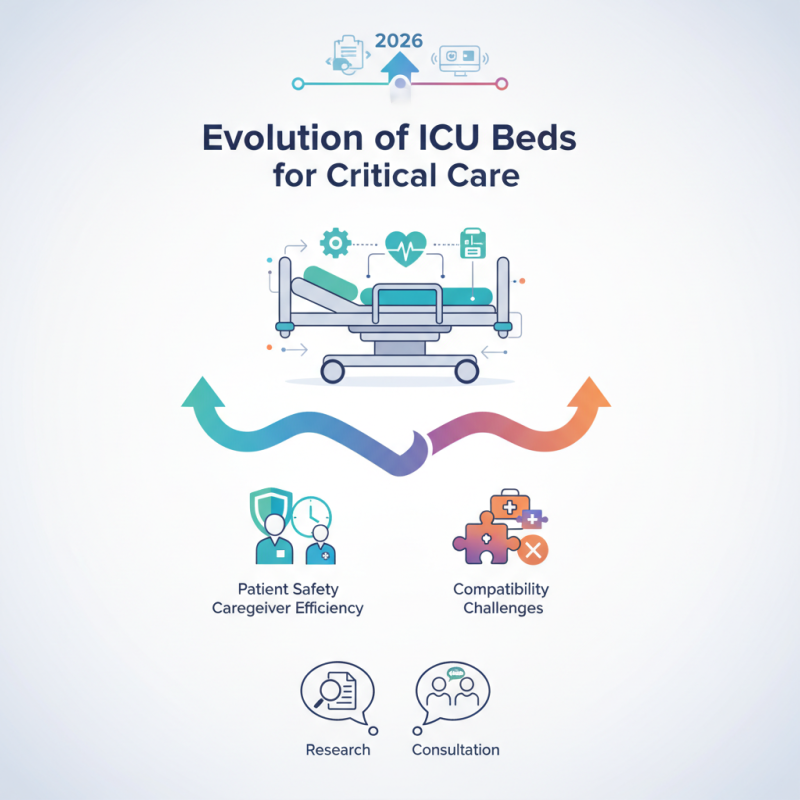
Selecting the right ICU bed is crucial for patient care. Several factors influence the design and selection process. Comfort for patients is paramount. Adjustable features enhance mobility and accessibility for medical staff. Ergonomics play a role too. Beds must accommodate various treatments and interventions seamlessly.
Space efficiency is another critical aspect. ICU rooms can be compact. Beds should allow for easy movement around medical equipment. Safety is non-negotiable. Features like side rails and braking systems enhance patient security. Monitoring systems integrated into beds can improve responsiveness during emergencies.
Technological integration is changing ICU settings. Beds equipped with smart technology can track vital signs. This immediately aids healthcare professionals in decision-making. However, there is a need for reflection on whether technology overshadows human care. The balance between innovation and patient-centered care remains vital in the ICU.
Choosing the right beds for ICU environments in 2026 means understanding patient needs and safety standards. Patients in ICUs often require specialized care. Comfort, mobility, and support are paramount. The design of these beds must facilitate easy access for medical staff. More advanced beds combine technology with ergonomic features. This balance is crucial for patient recovery.
Tips: Consider beds with adjustable height features. These can help caregivers reduce strain during patient transfers. Look for beds with integrated monitoring systems. These can ensure real-time tracking of vital signs, enhancing safety. Materials used in bed construction should be easy to disinfect, promoting health and hygiene.
Reflecting on patient safety, it's essential to evaluate bed stability. Some beds may not perform well on uneven floors. This can pose risks during emergency situations. Additionally, while innovative features are helpful, they can complicate operation. Staff training on these systems is vital to avoid misuse. Balancing innovation with simplicity must be a priority in ICU bed selection.
In 2026, the design of ICU beds is evolving significantly. Emerging technologies aim to improve patient comfort and enhance care. Smart features are being integrated into bed designs. These include pressure sensors and automated height adjustments. Such innovations help prevent bedsores and facilitate easy access for healthcare staff.
Moreover, some designs incorporate modular components. This allows healthcare providers to customize the bed for each patient’s needs. For example, beds with adjustable side rails improve safety for at-risk patients. Technology can also monitor vital signs directly, reducing the need for extra equipment.
However, not all designs work seamlessly in every setting. There may be challenges with technology integration or staff training. Certain features might not be user-friendly for everyone. Reflecting on these factors is essential in choosing the right ICU beds. While advancements are promising, the ultimate goal remains the same: providing quality care.
When evaluating the cost-effectiveness of ICU beds in 2026, several factors need consideration. The initial purchase price is just one aspect. Long-term durability impacts ongoing costs significantly. A study from the Healthcare Equipment Institute found that hospitals could save up to 30% over five years by opting for high-quality, durable beds.
Maintenance plays a key role. Research indicates that ICU beds require regular servicing, which can escalate costs quickly. Facilities must weigh the upfront expense against the potential costs of repairs. Beds with simpler designs may reduce maintenance time but often lack advanced features that enhance patient care.
Also, hospitals should consider patient comfort and safety. Data from the American Journal of Critical Care suggests that comfort directly affects patient recovery rates. Investing in beds that support patient mobility can ultimately lead to better outcomes. However, balancing these needs against budget constraints remains a challenge for many institutions. It’s essential for decision-makers to reflect on trade-offs rather than solely chasing lower prices.
The choice of ICU beds is critical for patient care. In 2026, advancements in ergonomics and flexibility are shaping this vital equipment. New designs prioritize better patient positioning. Beds that can adjust easily enhance comfort and accessibility for both patients and staff.
Ergonomic features foster a healing environment. Adjustable head and foot sections minimize pressure ulcers. Easy-to-use controls make position changes faster. This flexibility can significantly reduce staff fatigue. Such innovations also allow for better monitoring. Nurses can check vital signs without excessive movement.
The push for adaptability raises questions. Should every bed be customizable? Flexibility can lead to complexity. Staff training becomes essential to utilize new features effectively. Feedback loops are necessary to refine these beds continuously. Balancing technology with ease of use remains a challenge. Addressing these concerns will enhance care in critical environments.
: The right ICU bed is crucial for comfort and care during treatment.
Beds should have adjustable features for mobility and accessibility.
ICU rooms are often compact, so beds must allow easy movement around equipment.
Side rails and braking systems enhance patient security and safety.
Smart beds can track vital signs, aiding healthcare professionals in emergencies.
Yes, technology can overshadow human care, making balance essential for effective treatment.
Materials should be easy to disinfect for improved health and hygiene.
Proper training prevents misuse of complex systems, ensuring safety and effectiveness.
Beds must perform well on uneven floors to avoid risks during emergencies.
They help reduce strain when transferring patients, enhancing caregiver well-being.
Choosing the right beds for ICU environments in 2026 involves a comprehensive understanding of various factors that affect bed design and selection. Key considerations include evaluating patient needs, ensuring compliance with safety standards, and incorporating emerging technologies to enhance patient care. It is essential to assess the cost-effectiveness and durability of ICU beds while also focusing on trends in ergonomics and flexibility to accommodate diverse patient requirements.
When determining how to choose beds for ICU environments, healthcare facilities must prioritize features that promote patient comfort and safety. As the landscape of critical care evolves, staying informed on innovative designs and materials will play a crucial role in optimizing patient outcomes and supporting medical staff effectively in their critical responsibilities.

Dgem Medical