How to Choose Between Manual and Electric Care Beds?

Time:2026-05-01 Author:Sophia
0%

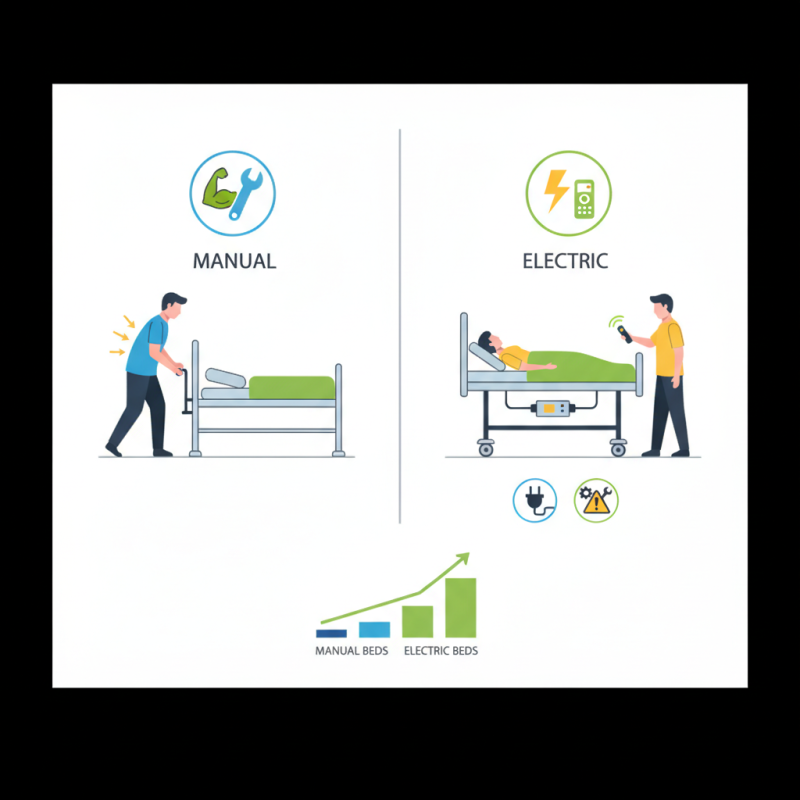
Choosing the right care bed can be a daunting task. For many caregivers and healthcare facilities, a fundamental question arises: what is the difference between manual and electric care beds? According to the Healthcare Technologies Institute, nearly 70% of nursing homes now use electric beds due to their advanced functionality and ease of use. Electric beds can improve patient comfort and reduce caregiver strain, making them a strong choice.

Dr. Emily Harper, a leading expert in geriatric care, states, "The choice between manual and electric beds often comes down to specific patient needs and caregiver capabilities." Manual beds require physical effort to adjust, potentially straining caregivers. In contrast, electric beds offer intuitive adjustments at the push of a button, making them more user-friendly for those with mobility issues.

However, potential drawbacks exist. Electric beds need a reliable power source and maintenance. Patients may feel uneasy with more complex equipment. As Dr. Harper emphasizes, understanding these differences is essential in meeting diverse healthcare needs. Thus, choosing between manual and electric options requires careful consideration of unique circumstances and potential challenges.
How to Choose Between Manual and Electric Care Beds?

Understanding the Difference Between Manual and Electric Care Beds

When considering care beds, understanding the difference between manual and electric options is crucial. Manual beds require physical effort to adjust. Caregivers must raise or lower the bed and change positions manually. This can be tiring, especially for those who assist patients regularly. The physical strain can lead to fatigue over time.

Electric care beds offer motorized adjustments, which can be made easily with a remote. This feature is particularly beneficial for patients with limited mobility. It reduces the physical strain on caregivers, allowing for more efficient care. However, reliance on technology means potential mechanical failure. Regular maintenance is essential to avoid emergencies.

Tips: Assess the needs of the patient carefully. Consider their level of mobility and the caregiver’s physical capacity. Determine the frequency of adjustments required. Weigh the ease of use against potential technical issues. Regularly evaluate if the chosen bed remains appropriate as needs change. Communication with healthcare professionals can offer valuable insights.

Key Factors to Consider When Choosing a Care Bed

Choosing the right care bed is crucial for both caregivers and patients. One significant factor is the bed's adjustability. Enhance comfort and accessibility by selecting a bed that meets specific needs. Manual beds require physical effort from caregivers, which can be tiring. In contrast, electric beds offer effortless adjustments at the touch of a button, promoting ease of use.

Weight capacity is another critical consideration. Ensure the bed supports the patient’s weight adequately. If the bed does not meet these requirements, it might lead to safety hazards. Patients may also have varying mobility levels, making it essential to assess their specific requirements. Shorter individuals might need a different bed compared to taller patients.

Also, consider the bed's material. Some materials are easier to clean and maintain. If hygiene is a concern, certain fabrics can provide more comfort and durability. While electric beds often provide greater convenience, they may come with higher costs and maintenance. Assessing your budget is essential before deciding. Finding the right balance between practicality and cost is a common challenge many face.

Assessing Patient Needs and Comfort Levels

When choosing between manual and electric care beds, patient needs and comfort levels play crucial roles. Assessing these factors ensures better care and enhances the overall experience. Comfort is not just about softness; it also involves proper positioning and adjustability. Some patients benefit from more flexibility, which electric beds offer. These beds allow quick position changes, making it easier for caregivers and patients alike.

Manual beds, on the other hand, can provide a sense of control. Patients who enjoy engaging with their environment might prefer adjusting their beds manually. This choice can empower them during recovery. However, manual beds require significant effort. For patients with limited mobility, this can be exhausting.

Consider the patient's medical conditions, age, and preferences. Do they have specific needs—like pressure relief? Are they active or more dependent? Finding a balance between independence and care is essential. Sometimes, the answer may lie in a combination of both bed types. Reflecting on these details may lead to a better choice that supports both comfort and care.

How to Choose Between Manual and Electric Care Beds? - Assessing Patient Needs and Comfort Levels

Feature Manual Care Beds Electric Care Beds
Adjustability Limited (manual adjustment) Highly adjustable (electronic controls)
Ease of Use Requires physical effort Easy (one-touch operation)
Comfort for Patients Basic comfort features Advanced comfort features (like height adjustments)
Cost Generally lower Generally higher
Maintenance Low maintenance Potential for electrical issues
Weight Capacity Standard weight limit Higher weight limits available

Evaluating Budget Constraints and Cost-effectiveness

When it comes to choosing between manual and electric care beds, budget constraints can heavily influence the decision. Electric beds often carry a higher initial cost but can provide enhanced comfort and features. Users benefit from adjustable positions at the push of a button. However, this convenience may not fit everyone's budget.

Manual care beds are typically more affordable and require no electricity. They can be a practical choice if funding is limited. However, they demand more physical effort to adjust. Caregivers must be mindful of their own physical limitations when selecting this option.

Cost-effectiveness plays a pivotal role in the decision-making process. Evaluating long-term needs is essential. Will the added investment in an electric bed lead to greater comfort and well-being over time? Reflecting on the specific needs and circumstances is crucial. Each option has its pros and cons and may impact both the user’s comfort and caregiver's workload.

Maintenance and Durability: Manual vs. Electric Options

When considering maintenance and durability, understanding the core differences between manual and electric care beds is crucial. Manual beds often require less complex mechanisms, making them generally easier to maintain. Their simple design means there are fewer components that can fail. Users can often handle basic repairs without needing specialized tools. However, this simplicity can lead to wear and tear over time, especially if the bed is adjusted frequently.

Electric care beds provide advanced functionality, offering features like multiple positions and easier adjustments. Yet, this complexity introduces challenges. Electric components can fail, which may require professional repair. Battery life is also a consideration. Without a reliable power source, functionality diminishes. Regular maintenance checks become essential to ensure all mechanisms are working properly. It may be easy to overlook the need for periodic inspections, which can lead to bigger issues down the line.

Both manual and electric options have their advantages and pitfalls. Evaluating the patient’s needs is vital. A manual bed may be perfect for less active users, while active patients might benefit from features present in electric beds. Reflecting on how each option aligns with long-term durability and maintenance requirements is essential in making the right choice.

FAQS

: What is the most important factor to consider when choosing a care bed?

: The bed's adjustability is crucial. It must enhance comfort and accessibility for both patients and caregivers.

How does the weight capacity of a care bed impact safety?

The bed must support the patient’s weight adequately. Inadequate support can lead to safety hazards and injuries.

Why is the material of the bed important?

Certain materials are easier to clean and maintain. Hygiene and durability are key aspects to consider in fabric choice.

What are the maintenance differences between manual and electric beds?

Manual beds are easier to maintain but may wear out over time. Electric beds have more advanced features but require professional repairs.

How does patient mobility affect bed choice?

Patients with varying mobility levels need different types of beds. Shorter individuals often require a different design than taller patients.

Why should regular maintenance be a priority for electric beds?

Electric beds are complex and can fail if not maintained. Regular checks can prevent bigger issues and ensure reliability.

Are electric care beds more expensive?

Yes, electric beds generally come with higher costs. Balancing practicality with budget is a common issue many face.

Can basic repairs be done on manual beds?

Yes, manual beds often allow for simple repairs without specialized tools. This can be a convenient advantage.

What happens if the power source fails for electric beds?

Without a reliable power source, functionality diminishes. This emphasizes the importance of regular maintenance checks.

How can caregivers evaluate the right bed for their patients?

Reflect on the patient's needs. Consider their mobility level and the type of adjustments required for their comfort.

Conclusion

When considering care beds, understanding "what is the difference between manual and electric care beds" is crucial. Manual care beds require users or caregivers to adjust the bed's position manually, offering a straightforward, cost-effective solution, particularly for those on a tight budget. In contrast, electric care beds provide convenient, adjustable positions with the push of a button, enhancing comfort for patients and caregivers alike.

Key factors to consider include assessing patient needs for comfort and mobility, evaluating budget constraints for cost-effectiveness, and maintenance requirements, as both manual and electric options come with their own durability concerns. Ultimately, the right choice will depend on individual circumstances, including the patient's specific health needs and the financial resources available.

Sophia

Sophia

Sophia is a dedicated marketing professional with an exceptional depth of knowledge about her company's products and services. With a keen understanding of market trends and customer needs, she crafts insightful blog posts that not only inform but also engage readers, enriching the company’s online......