How to Choose the Best Hospital Bed for Home Care Needs?

Time:2026-04-13 Author:Ethan
0%

Selecting the best hospital bed for home care needs is crucial. Industry data shows that around 11 million Americans require home care services. A comfortable bed can significantly enhance recovery and quality of life. However, many caregivers struggle with the decision of how to choose the right hospital bed for home care.

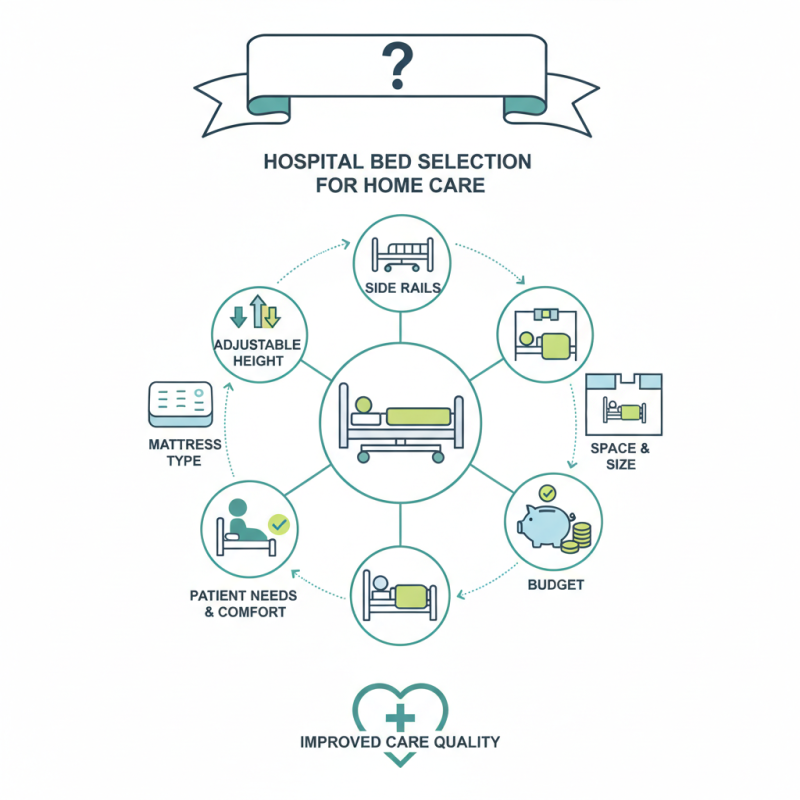
Dr. Emily Carter, a leading expert in home health care, states, "A well-chosen hospital bed can transform patient care in the home environment." Understanding the various features and options available is essential. Adjustable heights, side rails, and mattress types can all impact comfort and safety.

It’s also important to consider space and budget. Not every bed fits every home. Many caregivers find themselves overwhelmed by choices. Reflecting on personal needs and preferences can guide this decision. Investing time in selection pays off in improved care quality.
How to Choose the Best Hospital Bed for Home Care Needs?

Understanding Different Types of Hospital Beds for Home Use

When selecting a hospital bed for home care, it's essential to understand the different types. Manual and electric beds are common choices. Manual beds require physical effort to adjust the position. They might be cost-effective but can lack convenience. Electric beds are easier to use and can often be adjusted with a simple remote. They provide more comfort for both the patient and caregiver.

Tips: Consider your space. Measure the area where the bed will go. Ensure there's enough room for maneuvering. Think about the patient’s needs. Some patients require more adjustable features. This flexibility can enhance their quality of life.

Another option is high-low beds. These beds can be raised or lowered, making transfers easier. They are especially helpful for those with mobility issues. There’s also an option for beds with integrated side rails. These can prevent falls but require careful consideration of safety and comfort.

Tips: Check the weight capacity of the bed. Each bed has a limit, and exceeding it can lead to problems. It's crucial to choose a bed that accommodates the patient comfortably. Always think of the long-term implications of your choice. What might be suitable now may not work in the future.

Comparing Different Types of Hospital Beds for Home Use

This chart compares the features and average costs of different types of hospital beds suitable for home care. The data highlights the most commonly used bed types: Standard, Adjustable, and Specialty beds.

Key Features to Consider When Selecting a Hospital Bed

When selecting a hospital bed for home care, key features play a vital role in ensuring comfort and safety. A versatile bed should offer adjustable height settings. This allows caregivers to easily assist patients without straining their backs. Moreover, look for beds with adjustable head and foot sections. This feature helps improve circulation and allows the user to find their most comfortable position.

Another important aspect is the bed's weight capacity. It is essential to choose a bed that can safely support the individual’s weight. Many models accommodate various weights, but verifying this detail is crucial for safety. Additionally, explore beds with side rails. These can prevent falls and provide stability when getting in and out of bed.

Don't overlook mattress options. A pressure-relieving mattress can improve comfort and prevent bedsores. Remember, not every feature suits everyone. Your specific needs should guide your choices. It's wise to involve healthcare professionals when possible. Taking their advice can lead to more informed decisions. A carefully chosen bed can significantly enhance the quality of home care.

Assessing Your Home Space for an Ideal Hospital Bed Fit

When assessing your home space for a suitable hospital bed, start with the room dimensions. Measure the length and width to ensure the bed will fit. Consider door frames and hallways for access. A good fit allows easy placement and mobility. Remember to account for additional equipment, such as bedside tables or medical devices.

Tips: Clear the area around the bed. Remove obstacles that could hinder movement. Ensure there’s enough space for a caregiver to assist without difficulty.

Evaluate the floor type as well. A smooth, even surface is essential for bed stability. Consider placement near power outlets for electrical beds. Lighting can enhance safety during nighttime needs, so think of adding a lamp within reach.

Tips: Install non-slip rugs if necessary. This measure increases safety for both the patient and caregivers. Reflect on how daily life will change with the new bed. Is there enough privacy and comfort for the user? These aspects greatly influence the bed’s placement.

Evaluating Budget and Insurance Options for Hospital Beds

When selecting a hospital bed for home care, understanding budget and insurance options is crucial. Many insurance plans offer some level of coverage for hospital beds. According to a report from the Centers for Medicare & Medicaid Services (CMS), approximately 90% of patients may qualify for partial reimbursement. This can significantly lessen the financial burden. However, evaluating individual eligibility is essential, as policies vary widely.

The cost of hospital beds ranging from $500 to over $3,000 makes it important to understand hidden expenses. Installation, maintenance, and accessories can add up. Research shows that around 30% of patients overlook these additional costs when planning their budgets. Users often discover that even with insurance, out-of-pocket expenses can be substantial.

Consulting with healthcare providers can clarify what is covered and help manage expectations. Many patients find it challenging to navigate this process. It’s advisable to keep thorough records of all communications and documentation for insurance claims. This proactive approach can streamline the often-frustrating reimbursement process. Assessing both immediate and long-term needs ensures that the chosen bed aligns with lifestyle and health requirements.

Consulting Healthcare Professionals for Personalized Recommendations

Consulting healthcare professionals is crucial when selecting the best hospital bed for home care. They offer insights based on clinical experience. This personalized approach ensures that the bed meets specific needs. A physical therapist may suggest features to enhance comfort for those with mobility issues. A doctor might recommend an adjustable bed for patients with respiratory problems.

During consultations, consider discussing the individual's medical history. This detailed information helps professionals make better recommendations. Ask about special features like side rails or mattress types. Understanding the patient's unique requirements can lead to better outcomes.

It's also beneficial to seek multiple opinions. Different professionals might highlight various aspects to consider. Sometimes, the ideal bed may not align with initial thoughts. Remain open to their suggestions, even if they challenge your preferences. The right choice can significantly impact comfort and care quality at home.

How to Choose the Best Hospital Bed for Home Care Needs?

Feature Description Considerations
Adjustable Height Allows caregivers easy access to patients without strain. Ensure the height can be adjusted to fit both the patient and caregiver's needs.
Weight Capacity Beds come with various weight limits, typically ranging from 300 to 600 lbs. Choose a bed that can accommodate the patient's weight safely.
Side Rails Provides safety and support for patients getting in and out of bed. Consider adjustable or removable rails for flexibility.
Mattress Type Different types include foam, air, and gel for comfort and pressure relief. Select based on individual comfort needs and medical requirements.
Mobility Features Some beds offer mobility options like wheels for easy movement. Assess space and mobility needs based on the patient's condition.
Ease of Operation Electric beds can be controlled easily with a remote or buttons. Look for user-friendly controls for both patients and caregivers.

FAQS

: What is the importance of adjustable height settings in a hospital bed?

: Adjustable height settings help caregivers assist patients without straining their backs.

Why should I consider the weight capacity of a hospital bed?

The bed must safely support the individual’s weight; verifying this is crucial for safety.

How do side rails contribute to patient safety?

Side rails can prevent falls and provide stability when getting in and out of bed.

Why is a pressure-relieving mattress important for home care?

A pressure-relieving mattress improves comfort and helps prevent bedsores, enhancing patient care.

How can I navigate insurance coverage for hospital beds?

Consulting with healthcare providers can clarify coverage options and manage expectations effectively.

What should I keep in mind regarding the cost of hospital beds?

Hidden costs such as installation and maintenance can add up, so budget carefully.

Why is it necessary to consult healthcare professionals when choosing a bed?

They provide insights based on clinical experience that can ensure the bed meets specific needs.

How can I prepare for discussions with healthcare professionals?

Share detailed medical history to help them make better recommendations tailored to the patient.

Why is it good to get multiple opinions when selecting a hospital bed?

Different professionals may highlight various features, leading to a more informed choice.

What if the recommended bed challenges my initial preferences?

Stay open to suggestions; the right choice can significantly impact comfort and care quality at home.

Conclusion

Choosing the right hospital bed for home care is crucial for ensuring comfort and support for individuals with medical needs. Understanding the different types of hospital beds available for home use is the first step in this process. Key features such as adjustable settings, mattress types, and safety railings should be taken into consideration to meet specific care requirements.

Additionally, assessing your home space is essential to ensure a proper fit, while evaluating your budget and exploring insurance options can help in making a financially feasible decision. It is always advisable to consult healthcare professionals for personalized recommendations that best cater to the individual’s health condition and lifestyle. By carefully considering these factors, one can effectively choose the best hospital bed for their home care needs.

Ethan

Ethan

Ethan is a seasoned marketing professional with a deep expertise in our company's innovative product line. With a passion for sharing knowledge and insights, he takes the lead in regularly updating our corporate blog, where he explores industry trends, product features, and effective marketing......