China Best Patient Mobility Aids for Recovery?

Time:2026-09-20 Author:Sienna
0%

Recovery rarely follows a straight line. A patient may walk confidently today, then struggle after surgery, illness, or prolonged bed rest.

This guide examines China’s best patient mobility aids for recovery, including walkers, rollators, transfer chairs, crutches, and adjustable canes. It focuses on practical use, build quality, comfort, and safer daily movement. The right aid should match the patient’s strength, balance, height, home layout, and rehabilitation plan. A walker that feels stable in a clinic may become awkward beside a narrow bathroom door.

Physical therapist and movement expert Gray Cook has said, “Movement is a skill.” That principle matters when considering how to improve patient mobility during recovery. Mobility aids should support controlled practice, not replace professional assessment or patient effort. A therapist can check gait, weight-bearing limits, grip strength, and safe transfer techniques before recommending equipment.

Look for secure hand grips, smooth brakes, suitable wheel sizes, reliable frames, and easy adjustments. For Chinese-made products, buyers should also review manufacturer documentation, quality testing, warranty terms, replacement parts, and after-sales support. Certification alone does not guarantee a perfect fit.

There is no universal winner.

A lightweight cane may suit short indoor walks, while a rollator may offer better support outdoors. Yet extra features can add weight, maintenance, and confusion. This guide compares those trade-offs honestly, including details that are easy to overlook, such as seat height, brake reach, folding space, and surface stability. Product choice should remain individualized, evidence-informed, and reviewed as recovery changes.
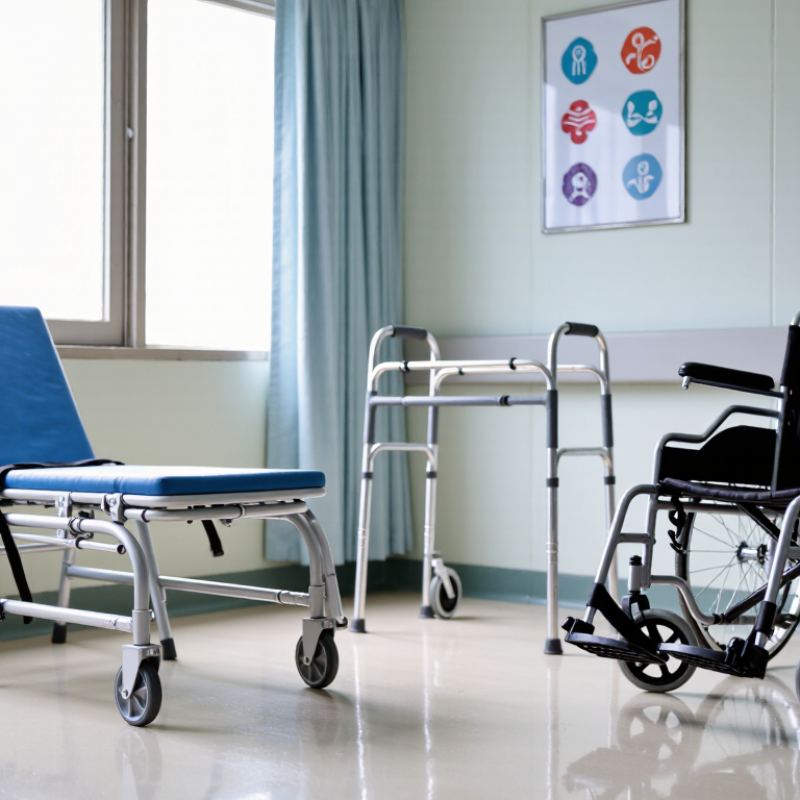
China Best Patient Mobility Aids for Recovery?

What Patient Mobility Aids Are and How They Support Recovery

China Best Patient Mobility Aids for Recovery?

What Patient Mobility Aids Are and How They Support Recovery

Patient mobility aids help people stand, walk, transfer, or move safely after illness, surgery, or injury. Common options include canes, crutches, walkers, wheelchairs, and transfer boards. Each tool supports a different level of strength and balance. A suitable aid can reduce fear, preserve independence, and encourage controlled daily movement.

The World Health Organization and UNICEF reported in 2022 that more than 2.5 billion people need assistive products worldwide. Nearly one billion people lack adequate access. This gap shows why safe, affordable mobility support matters in China and elsewhere. A physiotherapist should assess posture, grip strength, walking pattern, and home hazards before recommending equipment. An aid that is too high may strain the shoulders. One that is too low can worsen balance.

Mobility aids support recovery, but they do not replace rehabilitation. The CDC reports that more than one in four adults aged 65 and older falls each year. Properly fitted walkers and grab supports may lower risk during vulnerable activities, such as bathroom transfers. Yet the evidence is not perfect for every device or patient group. Families sometimes choose equipment by appearance alone. That can be a costly mistake. Regular review is needed as strength improves, pain changes, or confidence returns. Recovery should feel safer, not permanently restricted.

How to Match Mobility Aids to Different Recovery Stages

China’s Best Patient Mobility Aids for Recovery?

How to Match Mobility Aids to Different Recovery Stages

Choosing a mobility aid should follow recovery, not product popularity. The WHO and UNICEF Global Report on Assistive Technology estimates that 2.5 billion people need at least one assistive product worldwide. That number may exceed 3.5 billion by 2050. Proper matching therefore matters for safety, confidence, and daily independence.

Early recovery often requires a walker with stable, adjustable support. It suits patients who struggle with balance, leg weakness, or weight-bearing. A therapist should check height, grip position, and walking pattern. Small errors can increase wrist pressure or encourage poor posture.

A wheelchair may be more suitable for longer distances, while supervised standing remains important.

As strength improves, patients may move to crutches or a walking frame. Later, a cane can support short, controlled walks. It should be used on the stronger side, unless a clinician advises otherwise. The WHO Global Report on Falls Prevention notes that adults over 60 face the highest risk of serious falls. This makes rushed progression unsafe. A device that feels convenient may still be wrong.

Recovery is rarely linear. Pain, fatigue, and fear can return after a good week. Reassessment is essential. Families sometimes remove aids too early, believing independence means walking unaided. That assumption needs reflection. The best choice is the least restrictive aid that still provides safe, repeatable movement.

Which Patient Mobility Aids Are Commonly Made in China

China is a major manufacturing base for patient mobility aids, including walkers, rollators, crutches, wheelchairs, transfer chairs, and bathroom safety supports. The country’s 2023 population data recorded 296.97 million people aged 60 or above, creating sustained demand for practical mobility equipment. Production commonly combines aluminum tubing, molded plastics, steel frames, rubber feet, and washable upholstery.

The World Health Organization’s Global Report on Assistive Technology estimates that more than 2.5 billion people need at least one assistive product worldwide. This figure may reach 3.5 billion by 2050.

Chinese manufacturers therefore serve both domestic and international healthcare markets. Better factories usually provide load testing, brake checks, weld inspection, dimensional controls, and traceable material records. ISO 7176 standards are widely referenced for wheelchair performance and safety testing.

Small details matter.

A walker should stand evenly on a tiled floor. A wheelchair brake should hold without excessive hand force. Handle height must suit the user, not just the product drawing. However, compliance claims are not always enough. Testing may represent a new product, while daily use involves loose screws, wet floors, and caregiver mistakes. Buyers should review independent test reports, user-weight limits, replacement-part access, and instructions translated clearly. Chinese production offers scale and customization, but quality can vary between factories and even between batches. That uncertainty deserves honest checking.

How to Compare Safety, Quality, Comfort, and Practicality

China Best Patient Mobility Aids for Recovery?

Comparing patient mobility aids requires more than checking price or appearance. Safety starts with a stable frame, secure brakes, non-slip grips, and clear weight limits. Adjustable handles should match the user’s height without forcing the shoulders upward. A physical therapist can assess balance, strength, and transfer risks before selection. Small fitting errors can cause falls.

Quality is visible in consistent welds, smooth joints, durable wheels, and accurate instructions. Ask for inspection records, material details, warranty terms, and replacement-part availability. Reliable suppliers should explain testing procedures without making vague promises. A low-cost aid may become expensive when a wheel fails or parts cannot be found. That happens.

Comfort affects daily use. Padded supports, breathable surfaces, and gentle hand grips may reduce fatigue during short walks. However, soft padding cannot fix poor posture or unstable design. Users should test the aid indoors, over thresholds, and beside a chair. The home environment matters. Measure doorways and storage space before ordering. A folding frame seems practical, but a heavy frame may remain unused. I would also check cleaning access, caregiver handling, and transport weight. The best choice is not always the most advanced one. It is the aid that fits the person, home, recovery plan, and available support.

How to Use and Maintain Mobility Aids During Recovery

Choosing the best patient mobility aid depends on strength, balance, pain, and recovery goals. A physiotherapist or occupational therapist should assess these needs before use. Options may include canes, walkers, crutches, or wheelchairs. The correct height matters. Handles should usually align with the wrist crease when standing upright. Poor adjustment can increase shoulder strain or make falls more likely.

Use the aid on firm, dry surfaces. Move slowly, especially when turning, sitting, or crossing thresholds. Keep both hands available when possible, and avoid carrying hot drinks while walking. Check rubber tips, wheels, brakes, and fasteners each day. Worn parts can reduce stability without obvious warning. Clean grips with a suitable mild cleaner, then dry them completely. Follow the care instructions and ask a clinician before changing the device.

Tips: Wear supportive shoes. Remove loose rugs and clutter. Practice on stairs only with professional guidance. Do not lean heavily on a walker unless it is designed for that purpose. Even careful users may rush after feeling stronger. That small mistake can interrupt recovery. Report new pain, numbness, dizziness, or repeated instability promptly. A mobility aid should support movement, not hide a worsening problem.

FAQS

What are patient mobility aids?

Patient mobility aids help people stand, walk, transfer, or move more safely. Common examples include canes, crutches, walkers, wheelchairs, and transfer boards.

How do mobility aids support recovery?

They can reduce fear and support controlled daily movement. They also help preserve independence after illness, surgery, or injury.

Which mobility aid suits early recovery?

A stable, adjustable walker often suits people with weak legs, poor balance, or limited weight-bearing. A wheelchair may help with longer distances.

When might someone progress to crutches or a cane?

Progression depends on strength, balance, pain, and walking quality. Some people move from a walker to crutches, then a cane.

How should a cane be used?

A cane is commonly held on the stronger side. A clinician may recommend another position for specific conditions.

Why is proper fitting important?

The wrong height can strain the shoulders, increase wrist pressure, or worsen balance. Grip position and posture also need checking.

Can mobility aids replace rehabilitation?

No. Mobility aids support rehabilitation but do not replace exercises, supervision, or professional assessment.

Should a person stop using an aid after feeling stronger?

Not always. Pain, fatigue, and fear can return, so reassessment should guide each change.

What should families consider before choosing equipment?

Consider balance, leg strength, walking distance, home hazards, and transfer needs. Choosing by appearance alone can be a costly mistake.

What does safe independence really mean?

It means moving safely and repeatedly, with the least restrictive suitable aid. Walking unaided is not always the best measure of recovery.

Conclusion

Patient mobility aids play an important role in helping people regain strength, balance, and confidence during recovery. Products such as walkers, canes, crutches, wheelchairs, transfer chairs, and bedside support rails can reduce fall risks and make daily movement more manageable. Choosing the right aid depends on the patient’s recovery stage, physical ability, home environment, and professional guidance. Early recovery may require stable, supportive equipment, while later stages may focus on lighter aids that encourage greater independence. Understanding how to improve patient mobility during recovery involves combining suitable equipment with gradual activity, correct positioning, and safe movement habits.

Many patient mobility aids are manufactured in China, offering a wide range of designs and practical functions. When comparing products, users should consider frame strength, weight capacity, stability, adjustability, comfort, ease of cleaning, portability, and maintenance requirements. Regularly checking wheels, brakes, handles, tips, joints, and fasteners can help keep equipment safe and reliable. With proper fitting, patient instruction, and ongoing monitoring, mobility aids can support a safer and more comfortable recovery process.

Sienna

Sienna

Sienna is a skilled marketing professional with a deep expertise in our company’s core products and services. With a passion for innovation and detail, she plays a pivotal role in crafting insightful blog posts that not only highlight the unique features of our offerings but also provide valuable......