What Certifications Do You Need for Medical Beds?

Time:2026-05-28 Author:Oliver
0%

When considering the purchase of medical beds, understanding what certifications are needed for medical beds is crucial. Dr. Susan Hartman, a leading expert in healthcare equipment regulation, emphasizes, "Certifications ensure safety and efficacy in patient care." This highlights the importance of adhering to recognized standards in medical bed manufacturing.

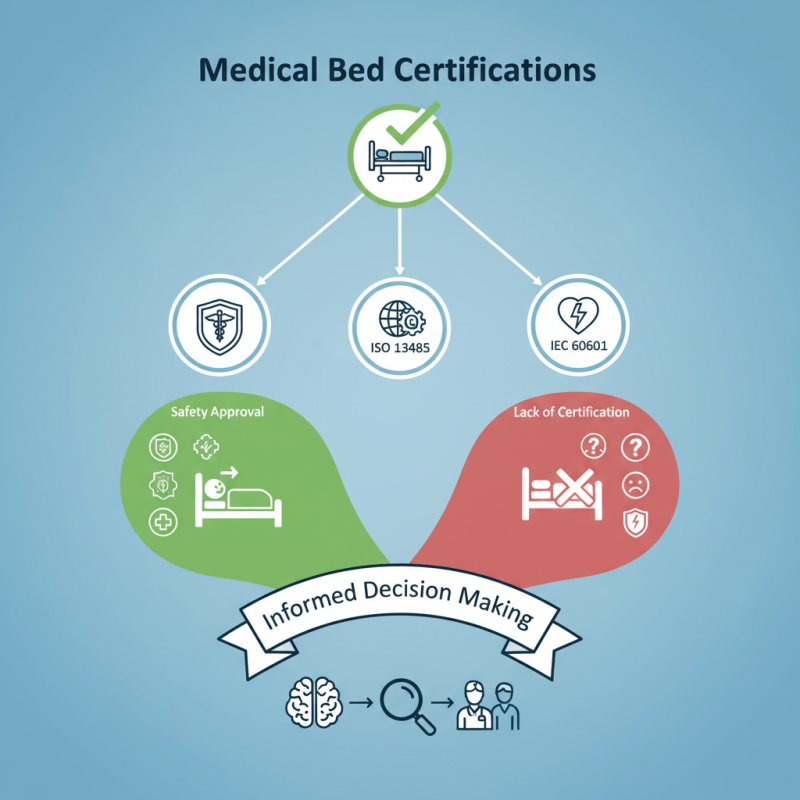
Certifications like the FDA approval, ISO 13485, and IEC 60601 are essential. These designations signal that the product has been rigorously tested. They relate directly to the safety and effectiveness required for patient use. Without these certifications, a medical bed may not meet the necessary healthcare standards. It raises questions about patient safety and comfort.

In the intricate landscape of medical equipment, navigating certifications can feel overwhelming. Some beds may have the required certifications, while others may not. This inconsistency can create confusion for healthcare providers and patients alike. Ensuring that the chosen medical bed is certified is an important step in safeguarding health outcomes. As Dr. Hartman suggests, familiarizing oneself with these essential details can lead to better decisions in medical care environments.
What Certifications Do You Need for Medical Beds?

Types of Certifications Required for Medical Beds in Healthcare Settings

In healthcare settings, medical beds must meet specific certification standards to ensure safety and quality. The most common certifications include ISO 13485 and IEC 60601. ISO 13485 pertains to medical device quality management systems. It confirms that the manufacturing process complies with international standards. Compliance with this certification is crucial for reducing errors in patient care.

IEC 60601, on the other hand, focuses on the electrical safety and performance of medical equipment. It sets standards for ensuring that devices can operate safely in various environments. According to a report by MarketsandMarkets, the medical bed market is projected to reach $4.4 billion by 2027, reflecting the growing need for certified medical beds.

Yet, securing these certifications isn't straightforward. Manufacturers must frequently update their processes to meet evolving regulations. This leads to potential misalignments between production capabilities and legislative requirements. Continuous education and training are also essential. Healthcare providers must keep abreast of certifications. However, many staff members lack adequate training on these standards, highlighting an area for improvement in the industry's commitment to quality and safety.

Certifications Required for Medical Beds in Healthcare Settings

Understanding the Importance of FDA Approval for Medical Bed Safety

Medical beds are essential in healthcare settings. Their safety is crucial for patients and caregivers alike. FDA approval plays a vital role in ensuring the safety and efficacy of these devices. Beds undergo rigorous testing before they can be marketed. This process evaluates not only the product’s design but its materials and functionality as well.

Understanding FDA approval helps stakeholders recognize its importance. Without this certification, a bed may pose risks. Devices lacking approval could lead to injuries or worsened conditions. Patients deserve the highest standards of care, and FDA oversight offers that assurance. This process is not flawless. Occasionally, products slip through the cracks. However, the FDA continually updates its criteria to enhance safety.

Compliance with regulations is more than a formality; it is a commitment to care. Healthcare facilities must prioritize sourcing FDA-approved beds. This protects patients and provides peace of mind to families. As technology evolves, so do the standards. Regularly reviewing these regulations is essential. Awareness of the certification landscape can drive better choices in medical care.

Key Standards from ISO for the Manufacturing of Medical Beds

When it comes to the manufacturing of medical beds, adherence to ISO standards is crucial. ISO 13485 focuses on quality management systems for medical devices. This ensures that manufacturers meet the necessary regulatory requirements. Compliance with these standards indicates a commitment to safety and effectiveness.

Manufacturers should also be aware of ISO 14971, which deals with risk management. This standard guides producers in identifying risks related to medical beds and their usage. The outcome should be safer beds for patients and reduced liability for healthcare providers. Ignoring these standards can lead to challenges.

Furthermore, ISO 10993 covers biocompatibility. Medical beds often contact sensitive skin, so ensuring materials are safe is essential. Awareness of these standards creates transparency in production. However, balancing cost and compliance can be a struggle for many manufacturers. Finding this equilibrium requires continuous evaluation and improvement.

What Certifications Do You Need for Medical Beds? - Key Standards from ISO for the Manufacturing of Medical Beds

Certification Name Issuing Organization Key Focus Areas Applicable Standards
ISO 13485 International Organization for Standardization Quality Management Systems for Medical Devices ISO 13485:2016
ISO 14971 International Organization for Standardization Risk Management for Medical Devices ISO 14971:2019
IEC 60601-1 International Electrotechnical Commission Safety and Essential Performance of Medical Electrical Equipment IEC 60601-1:2012
ISO 11135 International Organization for Standardization Sterilization of Healthcare Products ISO 11135:2014
EN 60601-2-52 European Committee for Standardization Particular Requirements for the Basic Safety and Essential Performance of Medical Beds EN 60601-2-52:2010

Essential CE Marking for Medical Beds in European Markets

In the European market, medical beds must comply with stringent regulations. CE marking is a crucial certification that indicates a product meets necessary safety and health standards. This marking ensures that medical beds are safe for patients and healthcare providers alike. It applies to various types of medical beds, including those used in hospitals and home care settings.

Manufacturers must go through a rigorous assessment process to obtain CE marking. This process often involves testing the beds for durability, safety, and functionality. Proper documentation must be maintained to demonstrate compliance. However, some manufacturers may find navigating these regulations challenging. It can be overwhelming to keep up with the changes in standards and to ensure all testing is performed correctly.

Additionally, achieving CE marking does not guarantee that all aspects of the medical bed will meet user needs perfectly. Feedback from healthcare professionals and patients is vital for continuous improvement. It’s essential to reflect on this feedback to enhance the design and usability of medical beds in real-world scenarios. Implementing changes based on user experience can often lead to better outcomes and higher satisfaction rates.

Impact of Joint Commission Accreditation on Medical Bed Quality Standards

The Joint Commission plays a crucial role in establishing quality standards for medical beds. Their accreditation ensures that institutions meet essential safety and performance criteria. According to a recent report by the National Institute of Health, accredited facilities show a 30% improvement in patient safety metrics, which directly correlates to the quality of medical beds.

Accreditation involves rigorous assessments that focus on patient care. Medical beds must comply with specific guidelines to reduce the risk of bed sores and injuries. Evidence suggests that beds incorporating adjustable features see a 40% reduction in complications for immobile patients. This highlights the importance of innovation in bed design, which can lead to more favorable patient outcomes.

Despite these standards, some facilities struggle to maintain compliance. Issues such as outdated equipment and inadequate training can impact patient safety. Reflecting on this, facilities need to invest in both technology and education. Continuous improvements in medical bed technology are vital, yet are not universally adopted. The gap in quality may affect patient recovery and comfort, making this an area of ongoing concern.

FAQS

: Why is FD

approval important for medical beds?

What happens if a medical bed lacks FDA approval?

A bed without approval may pose injury risks or worsen patient conditions. This is a serious concern.

What standards guide medical bed manufacturing?

ISO standards like 13485, 14971, and 10993 are crucial for quality, risk management, and biocompatibility.

How does ISO 13485 contribute to safety?

It emphasizes quality management systems. This ensures manufacturers meet regulatory requirements for safety.

What challenges do manufacturers face with compliance?

Balancing cost and compliance can be complex. Regular evaluation and improvement are necessary to achieve this.

What is CE marking, and why is it important?

CE marking indicates compliance with safety standards. It ensures medical beds are safe for users in Europe.

What does the CE marking assessment process include?

It involves testing for safety, durability, and functionality. Proper documentation is essential for compliance.

Are there limitations to CE marking?

Yes, CE marking doesn’t guarantee that all user needs are met. Continuous feedback is needed for improvements.

How can feedback from users influence medical beds?

User feedback helps enhance design and usability. Implementing changes based on this can lead to better satisfaction.

Why is it essential to stay updated on regulations?

Regulations change, and staying informed helps manufacturers ensure compliance and improve patient care effectively.

Conclusion

When considering what certifications are needed for medical beds, it's essential to understand the various requirements to ensure safety and quality in healthcare settings. Medical beds must comply with strict certifications, including FDA approval, which signifies adherence to safety standards necessary for patient care. Additionally, adherence to ISO standards is crucial in the manufacturing process to guarantee reliability and performance.

In European markets, obtaining the CE marking is mandatory, indicating compliance with health, safety, and environmental protection standards. Furthermore, being accredited by the Joint Commission enhances the quality standards of medical beds, ensuring they meet rigorous evaluation criteria. Understanding these certifications is vital for healthcare providers to ensure they are using safe and effective medical equipment.

Oliver

Oliver

Oliver is a seasoned marketing professional with a wealth of expertise in driving brand awareness and engagement. With a deep understanding of our company's product offerings, he consistently delivers high-quality content that enriches our professional blog. His insights not only shed light on......