Choosing the right hospital bed for home care is essential for comfort and health. It impacts daily life for patients and caregivers. When evaluating options, understanding specific needs is crucial. A bed must cater to the patient's medical condition, mobility, and comfort preferences.
Consider the quality and features of different hospital beds. Think about adjustable heights, side rails, and mattress types. These factors can significantly enhance safety and comfort. Also, review the weight capacity to ensure it meets individual needs. Accessibility is key. Ensure there is enough space around the bed for mobility aids.
Learning how to choose the right hospital bed for home care involves careful thought. You might feel overwhelmed by options. Take your time to research and consult professionals. Getting opinions from healthcare providers can guide your decision. Ultimately, the right bed can improve the patient's well-being. Reflect on these considerations to find the ideal solution.
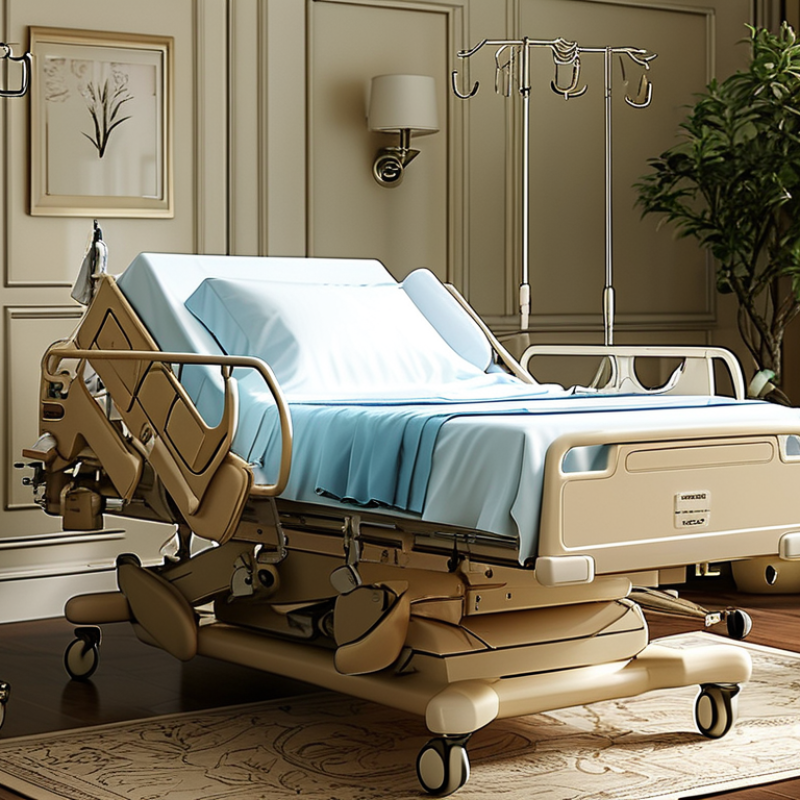
When selecting a hospital bed for home care, understanding the different types available is crucial. The market offers several options, each designed to cater to specific needs. According to a study by the National Institutes of Health, hospital beds can improve patient comfort and support healing. Adjustable beds, for instance, allow caregivers to raise or lower the head and foot sections, facilitating easier access for tasks like feeding or changing linens.
Consider your space and usage. A full-electric hospital bed provides seamless adjustments, but it requires ample space and nearby outlets. Manual beds are less expensive and good for limited mobility, yet may be challenging for caregivers. A report from the American Hospital Association emphasizes the benefits of choosing beds that minimize strain on caregivers, which ultimately affects patient care.
When deciding, reflect on weight capacity and safety features. A bed that supports up to 500 pounds may suit individuals with larger body types. Ensure the bed includes side rails for safety, but remember they can pose risks if not used wisely. Always assess the specific needs of the patient. This will help ensure comfort and safety while avoiding underestimating space requirements.
| Feature | Description | Considerations |
|---|---|---|
| Bed Type | Manual, Semi-electric, Full-electric | Ease of use and patient needs |
| Weight Capacity | Commonly ranges from 300 to 600 lbs | Ensure it supports the patient's weight |
| Adjustability | Head, foot, and height adjustments | Accessibility for caregivers |
| Mobility Features | Wheels and frame design | Indoor movement |
| Safety Features | Side rails, brakes, etc. | Prevent falls and accidents |
| Mattress Type | Foam, air, gel | Pressure relief and comfort |
| Easy to Clean | Waterproof materials and removable covers | Hygiene maintenance |
| Warranty | Length and coverage of warranty | Long-term investment protection |
| Cost | Price range and financing options | Budget planning |
: There are several types, including adjustable, full-electric, and manual beds. Each suits different needs.
Adjustable beds help caregivers with tasks like feeding. They improve patient comfort and facilitate care.
Ensure there is enough room for the bed and nearby outlets. Full-electric beds need more space.
Choose a bed that supports the patient's weight, especially for larger body types. Safety is key.
Check for side rails. They help prevent falls but can also pose risks if misused.
Involving patients allows better understanding of their comfort needs. It enhances their satisfaction and wellbeing.
Comfort is subjective. Some prefer firm mattresses, while others need softer support.
Adjustable beds allow patients to change positions easily, which helps reduce the risk of bedsores.
The bed height should allow safe transfers to and from a wheelchair, preventing accidents during movement.
They offer guidance tailored to the patient’s medical needs, ensuring a better fit for comfort and health.
Choosing the right hospital bed for home care is crucial for patient comfort and well-being. Understanding the different types of hospital beds available is the first step, as each type offers unique features and benefits. It's important to assess the specific needs of the patient, including comfort levels and mobility requirements, to determine the best fit.
Evaluating key bed features such as adjustability, size, and weight capacity will further aid in making an informed decision. Financial considerations are also essential; finding a balance between cost and quality is important to ensure durability and functionality. Lastly, consulting healthcare professionals can provide valuable insights and assist in selecting the optimal bed for individual needs, ensuring that you effectively navigate how to choose the right hospital bed for home care.

 Dgem Medical