2026 Best Tips for Maintaining and Cleaning Hospital Beds

Time:2026-05-11 Author:Ethan
0%

Maintaining and cleaning hospital beds properly is essential for ensuring patient safety and comfort. Dr. Emily Carter, a healthcare hygiene expert, emphasizes, "A clean bed is the cornerstone of patient care." This principle underlines the importance of implementing effective cleaning protocols.

In the fast-paced environment of hospitals, bed maintenance often gets overlooked. Staff may rush through cleaning, missing critical areas that harbor germs. Proper training is crucial to equip healthcare workers with the knowledge required. Regular inspections can reveal hidden dirt and wear that need attention.

Furthermore, standardizing procedures can enhance efficiency. It's vital to establish a routine for both disinfection and maintenance. This prevents the buildup of contaminants and extends bed longevity. Reflecting on these practices, healthcare facilities can enhance their hygiene standards significantly.
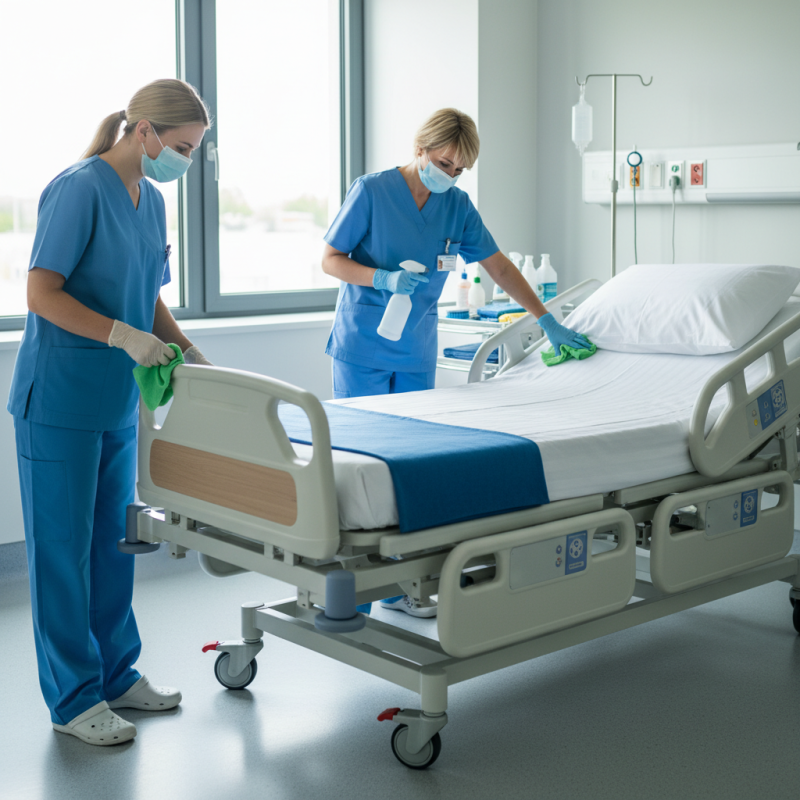
2026 Best Tips for Maintaining and Cleaning Hospital Beds

Importance of Regular Maintenance for Hospital Beds

Regular maintenance of hospital beds is crucial for ensuring patient safety and comfort. Well-maintained beds enhance the overall efficiency of healthcare services. Inadequate maintenance can lead to breakdowns, which can cause delays in patient care.

Routine checks should include inspecting the mechanical components. Hydraulic systems must work smoothly, and bed surfaces should be clean and free of wear. A simple visual inspection can uncover early signs of wear. Addressing these issues promptly helps prevent complications, reducing both downtime and costs.

Cleaning practices must be diligent yet efficient. Disinfecting surfaces and managing linens are key routines. However, it's easy to overlook less visible areas, which can harbor bacteria. Staff training plays an important role here. Engaging in training ensures everyone knows proper protocols, minimizing risks associated with negligence. Regular audits can help spot gaps in maintenance and cleaning practices, fostering a culture of continuous improvement.

Essential Cleaning Supplies for Hospital Bed Maintenance

Maintaining and cleaning hospital beds is crucial for patient safety. Essential cleaning supplies play a vital role in this process. According to the Centers for Disease Control and Prevention (CDC), hospital-acquired infections are a significant concern, contributing to approximately 1 in 31 hospital patients being infected at any given time. Proper cleaning supplies can help reduce these risks.

Disinfectants are the backbone of maintaining hospital beds. A solution containing 70% isopropyl alcohol is effective against a range of pathogens. Additionally, microfiber cloths are preferred due to their ability to trap dirt and microbes better than traditional cloths. It’s reported that using these cloths can increase cleaning efficiency by up to 25%. Yet, despite these benefits, many facilities neglect to stock sufficient supplies, which raises questions about consistency in practice.

Protective coverings for mattresses are another key element. Waterproof and antimicrobial covers can shield beds from spills and contamination. However, these covers need regular replacement, often leading to overlooked wear and tear. Studies show that around 30% of hospital beds have some level of contamination, stressing the importance of routine checks. Maintaining a supply of appropriate cleaning items is not just recommended; it’s essential for upholding hygiene standards in healthcare environments.

2026 Best Tips for Maintaining and Cleaning Hospital Beds - Essential Cleaning Supplies for Hospital Bed Maintenance

Item Purpose Frequency of Use Recommended Quantity
Disinfectant Spray Surface cleaning and disinfection Daily 2-3 cans
Disposable Bed Pads Incontinence management As needed 100 pads
Bedding Linens Patient comfort and hygiene Every shift 5 sets
Scrubbing Brushes Deep cleaning of bed frames Weekly 2 brushes
Steam Cleaner Sanitizing mattresses Monthly 1 unit
Protective Mattress Covers Mattress protection against spills and stains Every 3 months 10 covers

Step-by-Step Guide to Disinfecting Hospital Beds

Disinfecting hospital beds is critical for patient safety. A clean environment significantly reduces infection risks. Start by gathering necessary supplies: disinfectant wipes, gloves, and a cleaner designed for healthcare settings. Make sure to wear gloves to protect yourself during the process.

Begin by removing all bedding and linens. This step eliminates organic material that may harbor germs. Next, carefully clean the bed frame, paying close attention to frequently touched areas like rails and control buttons. Use a cloth dampened with the disinfectant solution. Allow the disinfectant to remain on surfaces for the recommended dwell time as indicated on the product label.

Consider areas that are often overlooked. The wheels and under-bed spaces tend to accumulate dust and grime. Regularly cleaning these spots can prevent bigger issues in the future. Occasionally reassess your cleaning regimen. Are there areas you miss? Adjustments may be necessary as new equipment is introduced or as procedures change.

Prioritize a consistent habit of thorough cleaning to enhance overall hygiene in the hospital environment.

Best Practices for Inspecting Hospital Beds for Damage

Maintaining the quality of hospital beds is essential. Regular inspections are crucial to ensure they remain safe and comfortable. Look for common signs of wear and tear, such as frayed fabrics or malfunctioning mechanisms. Document any issues promptly, as delays can lead to further damage or safety risks.

When inspecting hospital beds, pay special attention to the frame and wheels. A broken wheel can hinder mobility, creating challenges in emergency situations. Check for rust or corrosion, as these can compromise structural integrity. In some cases, it may be necessary to involve maintenance professionals for complex issues.

Make it a habit to assess beds regularly. Frequent inspections can catch issues early. Encourage staff to report any anomalies during their shifts. Keeping a checklist can simplify the process and enhance accountability. Over time, you’ll build a reliable system that helps maintain high safety standards in your facility.

Hospital Bed Maintenance and Cleaning Best Practices

Tips for Staff Training on Bed Maintenance and Cleaning

Proper training for hospital staff on bed maintenance and cleaning is crucial for patient safety and comfort. A report from the American Journal of Infection Control highlights that nearly 60% of healthcare-associated infections can be traced back to contaminated surfaces. Thus, staff must be equipped with the right knowledge and skills to ensure beds are thoroughly cleaned.

To facilitate effective training, hospitals should conduct regular workshops. These workshops can use hands-on demonstrations to emphasize correct cleaning techniques. Encourage staff to use appropriate personal protective equipment (PPE) during cleaning to minimize exposure to harmful pathogens. Include role-playing scenarios to reinforce learning and address potential challenges in maintaining cleanliness.

Communication is essential. Staff should be encouraged to share experiences and discuss what works or what doesn’t. This ongoing dialogue fosters a culture of improvement. An open environment allows staff to reflect on their practices constantly. Incorporating peer feedback can highlight areas needing attention and inspire new cleaning methods. Adapting training based on staff input can lead to better compliance and overall patient care.

FAQS

: Why is regular maintenance of hospital beds important?

: Regular maintenance ensures patient safety and comfort. It also enhances the efficiency of healthcare services.

What should routine checks for hospital beds include?

Routine checks should inspect mechanical components, surfaces, and cleanliness. Early signs of wear should be addressed immediately.

How can inadequate maintenance affect patient care?

Inadequate maintenance can lead to breakdowns, causing delays in patient care. This can compromise patient safety.

What cleaning supplies are essential for hospital bed maintenance?

Disinfectants, microfiber cloths, and protective mattress coverings are essential. They help reduce infection risks and maintain hygiene.

How often should protective coverings for mattresses be replaced?

Protective coverings should be replaced regularly to avoid wear and contamination. They play a key role in hygiene.

What are common signs of damage to inspect for?

Look for frayed fabrics, broken wheels, and rust. Document any issues to prevent safety risks and further damage.

Why is staff training important in bed maintenance?

Staff training ensures proper protocols are followed. This minimizes risks and fosters a culture of continuous improvement.

What can be done to improve cleaning practices?

Regular audits and staff training can spot gaps and inconsistencies in cleaning. This leads to better hygiene standards.

How can inspections be made more effective?

Create a checklist for inspections. Encourage staff to report issues immediately to enhance accountability and safety.

What challenges can arise from overlooking hospital bed maintenance?

Overlooking maintenance can lead to increased infection rates and costly repairs. It's crucial to stay vigilant and proactive.

Conclusion

Maintaining and cleaning hospital beds properly is crucial for ensuring patient safety and comfort. Regular maintenance helps to preserve the functionality and lifespan of the beds, preventing potential malfunctions that could jeopardize patient care. Essential cleaning supplies, such as disinfectants and protective gear, should be readily available, and staff must be trained to use them effectively.

A step-by-step guide for disinfecting beds involves thorough cleaning of all surfaces, ensuring that hard-to-reach areas are addressed. Regular inspections for damage are vital to catch any wear and tear early. Moreover, training staff on best practices for maintenance and cleaning will enhance adherence to infection control protocols, thus fostering a safe healing environment for patients.

Ethan

Ethan

Ethan is a seasoned marketing professional with a deep expertise in our company's innovative product line. With a passion for sharing knowledge and insights, he takes the lead in regularly updating our corporate blog, where he explores industry trends, product features, and effective marketing......