Maintaining and cleaning hospital beds is crucial for patient safety and comfort. As healthcare environments evolve, best practices must be updated regularly. According to Dr. Emily Thompson, an expert in hospital sanitation, “Proper bed maintenance protects patients and supports health outcomes.”
Understanding how to maintain and clean hospital beds properly can seem daunting. It combines various techniques and industry insights that may change based on materials and technology. Failing to adhere to guidelines may lead to increased risks of infection or discomfort for patients. Regular training sessions for staff can significantly boost their confidence and effectiveness in these tasks.
Details matter in this process. For example, using specialized cleaning agents and techniques can make a big difference. If maintenance schedules are neglected, the cleaning practices may become inconsistent. This highlights the importance of accountability in health settings. Thoughtful procedures are not just beneficial—they are essential for patient care and overall hospital efficiency.
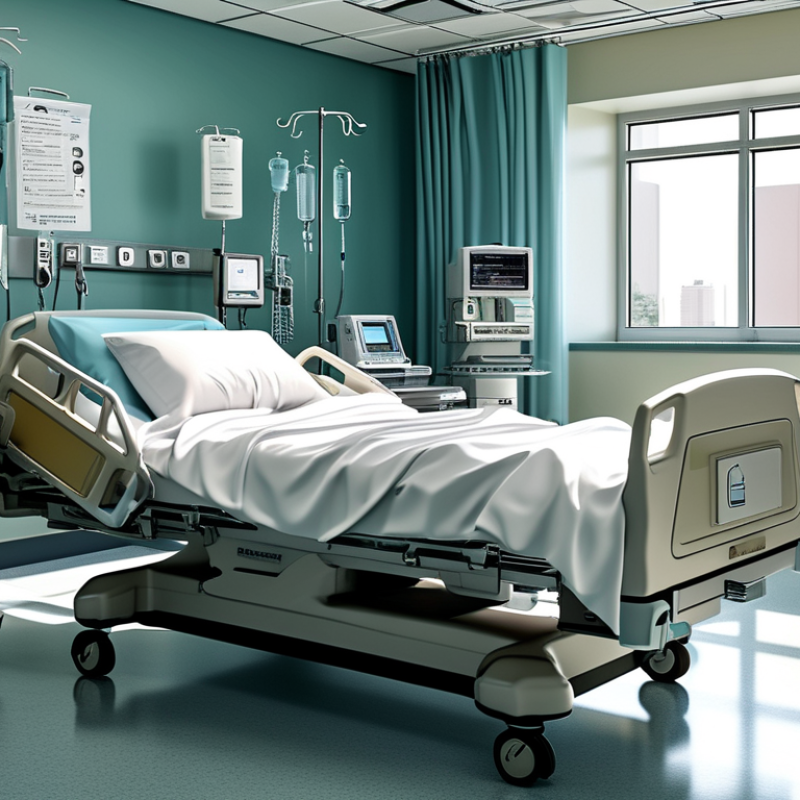
Hospital bed maintenance and cleaning are critical to infection control and patient safety. According to a report from the World Health Organization, nearly 40% of healthcare-associated infections can be linked to contaminated surfaces, including beds. Regular cleaning protocols must be established, ensuring beds are sanitized after every patient discharge. This includes using EPA-approved disinfectants that effectively kill pathogens.
Implementing a routine inspection schedule is also vital. Research indicates that over 15% of hospital beds have issues with mechanical components, leading to potential patient harm. Staff should be trained to report any malfunctions immediately. The beds should be monitored for wear and tear, focusing on patient comfort and safety.
While compliance is essential, there are areas that often need improvement. Many hospitals struggle with following through on cleaning protocols due to staff shortages or time constraints. Monitoring adherence and establishing accountability are necessary for continuous improvement in maintenance practices. Ultimately, ensuring beds meet safety standards can significantly enhance patient outcomes.
Regular maintenance of hospital beds is critical for ensuring patient safety and comfort. According to a study by the American Journal of Infection Control, approximately 75% of hospital-acquired infections are linked to contaminated surfaces. This highlights the need for rigorous cleaning protocols. High-touch areas on beds, such as side rails and control panels, must undergo frequent disinfection. Daily inspections can prevent the accumulation of dirt and bacteria.
Moreover, comfort significantly impacts patient recovery. Research published by the Journal of Healthcare Management indicates that comfortable beds can shorten hospital stays by an average of 1.5 days. Regularly maintaining beds not only enhances comfort but also contributes to better healing outcomes. Maintenance checks should focus on the mechanical systems that adjust bed positions, which are essential for meeting patient needs. Delayed repairs can lead to patient dissatisfaction and increased risks of pressure ulcers.
While hospitals strive to adhere to cleaning protocols, challenges remain. Staff shortages and budget constraints can hinder consistent maintenance. Hospitals must continually reflect on these issues and seek solutions. Investing in training and resources could lead to a safer, more comfortable environment for patients. The cost of neglecting bed maintenance, both financially and in terms of patient health, can be significant.
Maintaining and cleaning hospital beds is crucial for infection control and patient safety. Studies show that up to 80% of healthcare-associated infections may stem from contaminated surfaces. Cleaning agents play a vital role in this process. Commonly recommended agents are hydrogen peroxide and quaternary ammonium compounds. These agents effectively eliminate bacteria while being safe for patients and equipment.
Techniques for cleaning hospital beds include a thorough disinfection protocol. Start by removing all linens and disposable items. Use a damp cloth soaked in the chosen cleaning solution. Wipe down all surfaces, focusing on high-touch areas like bed rails and control panels. Research indicates that frequently touched surfaces should be cleaned at least four times daily. However, many facilities fall short of this standard, showing a gap in practice that needs addressing.
It's easy to overlook the small details in cleaning routines. Staff training is essential to ensure consistent adherence to cleaning protocols. Frequent audits can identify areas of improvement. Reports suggest that implementing a checklist can enhance compliance. While the process may seem straightforward, it requires diligence and a commitment to excellence in patient care.
Scheduling routine inspections and cleaning procedures for hospital beds is essential to patient safety. According to the Centers for Disease Control and Prevention, around 1 in 31 hospital patients has at least one healthcare-associated infection on any given day. Regular cleaning can significantly reduce this risk. Ensuring beds are cleaned and inspected multiple times a day can help maintain a sterile environment.
Using a structured cleaning schedule can help prevent contamination. A study published in the American Journal of Infection Control indicates that nearly 70% of hospital beds can harbor pathogens. Regular inspections should include checking mechanical components. Any bed malfunction can compromise both functionality and patient care. Additionally, healthcare facilities often overlook the need for cleaning under mattresses and within bedframes.
Implementing a cleaning checklist can enhance accountability among staff. This checklist should specify who is responsible for each task. Unfortunately, many hospitals do not prioritize routine inspections due to staffing constraints. Reflections on these practices are crucial. By better understanding the cleaning processes, hospitals can work towards a safer environment for all.
| Inspection Schedule | Cleaning Procedure | Frequency | Special Considerations |
|---|---|---|---|
| Monthly Safety Inspection | High-level disinfectant wipes for patient contact surfaces | Every 30 days | No moisture left on surfaces to prevent mold |
| Weekly Functionality Check | Dusting and cleaning mechanical parts | Weekly | Check for wear and tear on moving parts |
| Daily Visual Inspection | Surface cleaning with mild detergent | Daily | Report any visible damages immediately |
| Biannual Deep Clean | Steam cleaning and detailed disassembly | Every 6 months | Use specialized equipment for thorough cleaning |
Proper training for hospital staff on bed maintenance and cleaning protocols plays a crucial role in patient safety. Research shows that hospital-acquired infections (HAIs) affect one in 31 hospital patients on any given day, underscoring the importance of rigorous cleaning practices. Staff should receive hands-on training to ensure they understand the proper techniques for disinfecting beds. Visual aids, such as step-by-step guides, can enhance understanding and compliance.
Effective cleaning requires a consistent approach. Staff should learn about the different materials used in bed construction and how they react to various cleaning agents. According to the Centers for Disease Control and Prevention (CDC), routine cleaning of bed surfaces can significantly reduce pathogen presence. However, many staff members report a lack of confidence in their cleaning abilities. Addressing this gap through regular training sessions can bridge the knowledge divide and foster a culture of cleanliness.
Moreover, periodic assessments can help identify areas for improvement. Feedback from staff can inform training modifications, ensuring ongoing effectiveness. Continuous education is essential, as cleaning protocols must adapt to evolving health guidelines. As hospitals strive to maintain optimal environments, investing time in staff training becomes a critical aspect of patient care.
This chart illustrates the effectiveness of different cleaning protocols used in hospitals for maintaining bed hygiene. The data represents the average compliance rates of staff in executing these protocols over a year.
: Cleaning is crucial for infection control and patient safety, as contaminated surfaces can lead to healthcare-associated infections.
Hydrogen peroxide and quaternary ammonium compounds are effective at eliminating bacteria and safe for use.
High-touch surfaces need cleaning at least four times daily, although many facilities do not meet this standard.
The checklist should specify tasks, responsible staff, and details like cleaning under mattresses and within bedframes.
Staff should receive hands-on training and visual aids to understand proper cleaning techniques for various bed materials.
Regular training sessions and feedback can address gaps in knowledge and foster a culture of cleanliness.
Staffing constraints often lead to overlooked inspections and cleaning, highlighting a need for improvement.
Frequent audits can identify weaknesses in hygiene practices and encourage adherence to cleaning protocols.
Regular inspections help ensure that mechanical components work properly and reduce contamination risks.
Many facilities neglect to clean beneath mattresses and within bedframes, which can harbor pathogens.
Maintaining and cleaning hospital beds properly is crucial for ensuring patient safety and comfort. Regular maintenance helps identify potential issues early, preventing malfunctions that could affect patient care. Key practices include using recommended cleaning agents and techniques specifically designed for hospital environments to ensure effective sanitation. Additionally, scheduling routine inspections allows healthcare facilities to adhere to safety standards and maintain a hygienic environment.
Training staff on proper bed maintenance and cleaning protocols is vital for consistency and effectiveness. Equipping staff with the necessary skills ensures that hospital beds are not only clean but also well-maintained, contributing to a higher standard of patient care. By implementing these best practices, healthcare facilities can provide a safe and comfortable space for patients, ultimately enhancing their overall experience and recovery.

Dgem Medical