In the realm of rehabilitation, selecting the appropriate bed significantly impacts patient recovery. According to a report by the American Physical Therapy Association (APTA), patients using specialized rehabilitation beds show a 30% faster healing rate. Thus, addressing the question of "what type of bed is best for rehabilitation patients" is essential for healthcare providers.
Dr. Emily Harper, a leading expert in rehabilitative care, emphasizes, "A well-chosen bed can enhance comfort and promote mobility." Her insights shed light on why rehabilitation facilities must prioritize bed selection. Choices often come down to adjustable beds, low beds, or specialized therapeutic models. Each option offers unique benefits tailored to various needs and recovery stages.
However, not all facilities invest adequately in proper bed types. This gap raises a significant issue in patient care quality. Substandard beds may hinder recovery, resulting in prolonged rehabilitation. Providers must reflect on their choices and ensure they invest in the best solutions for their patients. The impact of bed selection extends beyond comfort; it shapes the overall recovery journey.
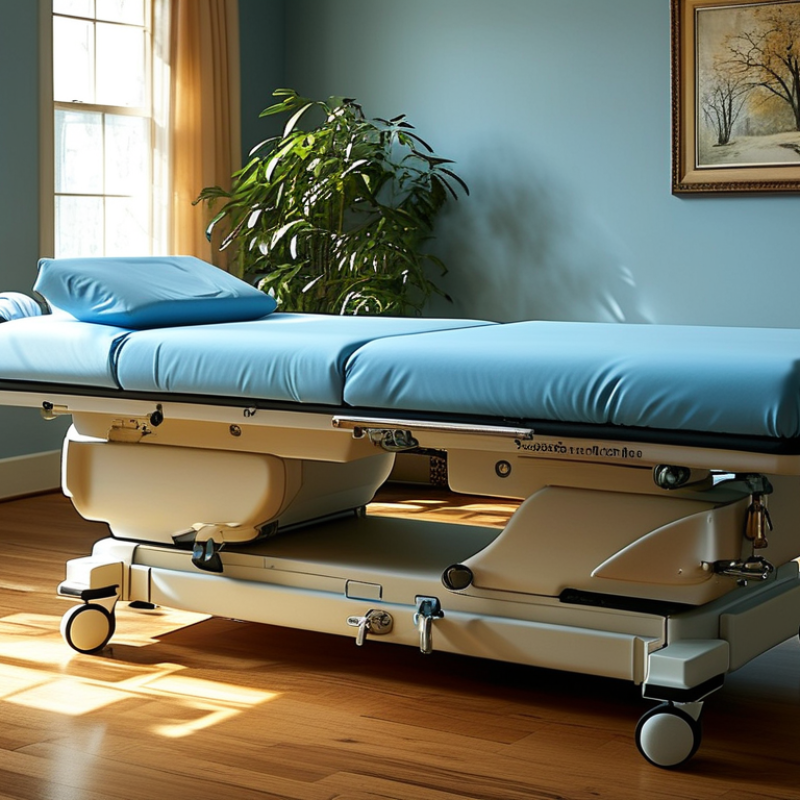
When considering beds for rehabilitation patients, several types stand out based on their unique features. Adjustable beds are popular choices. They enable patients to change positions easily, providing comfort and facilitating care. This flexibility is crucial for individuals recovering from surgery or managing chronic conditions. Many find it easier to sit up or lie back down with just the push of a button.
Another common option is hospital beds. These beds usually have side rails and wheels. The height can be adjusted to aid caregivers during transfers. Some may feel uneasy about using hospital beds, associating them with illness. However, the benefits of safety and accessibility often outweigh these concerns.
Specialized therapeutic mattresses also play a significant role in rehabilitation. These mattresses help in pressure relief, which is essential for patients who are bedridden. Yet, some may question the effectiveness of these mattresses. Real experiences show that comfort varies based on personal needs. Rehabilitation involves more than just the right bed; it requires a holistic approach to care. Each patient's need is different. Choosing the right type of bed can significantly impact their recovery journey.
When selecting rehabilitation beds, key features play a crucial role in enhancing patient recovery. One important aspect is adjustability. Beds that can be raised or lowered help patients maintain comfort and safety. This is particularly important for those with limited mobility. Height adjustments allow caregivers easier access, reducing strain during transfers.
Another significant feature is mattress quality. Opt for beds with pressure-relieving mattresses. These reduce the risk of pressure sores, which are common in individuals who spend extended periods lying down. Additionally, look for beds with supportive side rails. They provide stability when patients attempt to sit or stand, thus preventing falls.
Room for monitoring features is also vital. Integrated electronic systems can track patient movements. Smart beds can alert caregivers if a patient shows signs of distress. This enhances safety and promotes timely interventions. Ultimately, the right bed can substantially influence a patient's rehabilitation experience, making it a worthy investment for any healthcare facility.
| Bed Type | Adjustability | Weight Capacity | Features | Average Price |
|---|---|---|---|---|
| Manual Adjustable Bed | Yes | 350 lbs | Simple manual controls | $400 |
| Electric Hospital Bed | Yes | 600 lbs | Remote-controlled, adjustable height | $1,200 |
| Semi-Electric Bed | Partially | 500 lbs | Combination of manual and electric features | $800 |
| Bariatric Bed | Yes | 1,000 lbs | Reinforced structure for larger patients | $1,800 |
| Low Bed | Yes | 350 lbs | Lower height to prevent fall risk | $900 |
When considering rehabilitation beds, manual and electric options each come with unique advantages. Manual beds require caregivers to adjust the height and position, allowing for hands-on interaction. This process can foster a more personal connection between patients and staff. Some patients appreciate the simplicity of manual beds. They are often more affordable and easier to maintain. However, they can be physically demanding for caregivers over time.
On the other hand, electric rehabilitation beds offer more flexibility. They can be adjusted with the push of a button. This feature is especially beneficial for patients with limited mobility. It allows them to reposition themselves more easily, which can enhance comfort during recovery. Electric beds often come with additional features, like built-in scales and positioning aids. Yet, they can be heavier and more challenging to move.
Choosing the right bed involves weighing these factors. Some facilities may find electric beds more efficient, while others might prefer the traditional manual beds for their simplicity. It’s vital to evaluate the specific needs of both patients and caregivers before making a final decision. Each type has its merits and challenges, and the right choice varies from case to case.
Adjustable beds offer significant benefits for rehabilitation patients. They allow for various positions, which can enhance comfort and facilitate easier movement. Adjusting the head and foot positions can reduce pressure on certain body parts, aiding in recovery.
For patients recovering from surgery or injury, these beds can make a substantial difference. They support better circulation and can help prevent pressure sores. Additionally, ease of use is crucial. Patients can independently control their bed settings, promoting a sense of autonomy that is often missed during recovery.
One important consideration is to personalize the settings. What feels comfortable to one patient may not suit another. Encourage rehabilitation patients to experiment with positions to find what works best for them. Regular feedback is valuable. Engaging healthcare providers in this process helps tailor the experience.
Incorporating adjustable beds into rehabilitation plans appears straightforward, yet not every patient adapts the same way. Some may need time to adjust. It's essential to monitor their responses closely and remain flexible to their changing needs throughout their recovery journey.
Choosing the right bed for rehabilitation patients is crucial. Each patient's needs can significantly differ. Some may require extra support, while others prioritize comfort. Adjustable beds are often beneficial. They allow easy positioning to enhance mobility and minimize pain during recovery.
Patients with limited mobility may need beds that facilitate easier transfers. Low-height beds are ideal for this purpose. They reduce the risk of falls. Also, consider beds with side rails. These can provide safety and reassurance while patients regain strength.
Focus on materials too. Breathable fabrics can improve comfort, especially for patients who are confined to bed for long periods. Additionally, pressure-relieving mattresses can help prevent sores. Ultimately, it’s about finding a balance between functionality and comfort tailored to individual needs. A well-chosen bed can make a significant difference in a patient’s rehabilitation experience, ensuring their safety and comfort throughout recovery.
This chart displays the comfort ratings of various types of beds commonly used for rehabilitation patients. Adjustable beds lead with the highest rating, indicating their superior comfort and adaptability for patient needs.
: Adjustability, mattress quality, and supportive side rails are crucial features to enhance patient recovery.
Adjustability helps patients maintain comfort and safety, especially those with limited mobility. It also aids caregivers.
They reduce the risk of pressure sores for individuals who spend long periods lying down, promoting better health.
Manual beds foster personal connections but can be labor-intensive. Electric beds offer convenience but may be harder to move.
They improve comfort, enhance mobility, and can help prevent pressure sores by allowing various sleeping positions.
Patients should experiment with different positions to find the most comfortable settings for their recovery. Regular feedback is key.
Yes, some patients may take time to adjust. Monitoring their responses is essential to meet their changing needs.
Look for integrated systems that track movements and alert caregivers of distress, enhancing safety and response times.
They provide stability for patients when sitting or standing, which can help prevent falls and enhance overall safety.
Yes, electric beds allow patients to reposition themselves easily with a button, improving comfort during recovery.
When considering what type of bed is best for rehabilitation patients, it's essential to explore the various types of beds commonly used in this context. Rehabilitation beds come in different forms, including manual and electric options, each offering unique features that cater to patient needs. Key considerations include adjustability, comfort, and support, which are critical for those undergoing recovery.
Adjustable beds are particularly beneficial for rehabilitation patients, as they allow for easier positioning and increased comfort, aiding in the overall healing process. When choosing the right bed, it's important to assess the specific requirements of the patient, ensuring that the bed promotes safety and ease of use. By understanding the essential features and differences between manual and electric options, caregivers can make informed decisions that enhance the rehabilitation experience.
Dgem Medical