Choosing the right bed can significantly impact rehabilitation efforts. Research indicates that optimal bed types can enhance patient comfort and recovery speed. According to a report by the American Rehabilitation Association, "the right sleep environment can accelerate healing by up to 30%." This statistic reflects the importance of addressing what type of bed is best for rehabilitation patients.
Dr. Emily Carter, an expert in physical rehabilitation, emphasizes, "In rehabilitation, the choice of bed is critical for patient outcomes." Her insights highlight the vital role that bed design plays. Specialized beds such as adjustable models provide essential support and promote mobility. Patients recovering from surgeries, strokes, or severe injuries benefit greatly from these features.
Recent studies show that traditional hospital beds may not cater to all rehabilitation needs. There are concerns about comfort, safety, and functionality. Many patients report that standard designs lead to restlessness and discomfort. Hence, finding what type of bed is best for rehabilitation patients is more than a mere preference; it is a requirement for effective recovery.
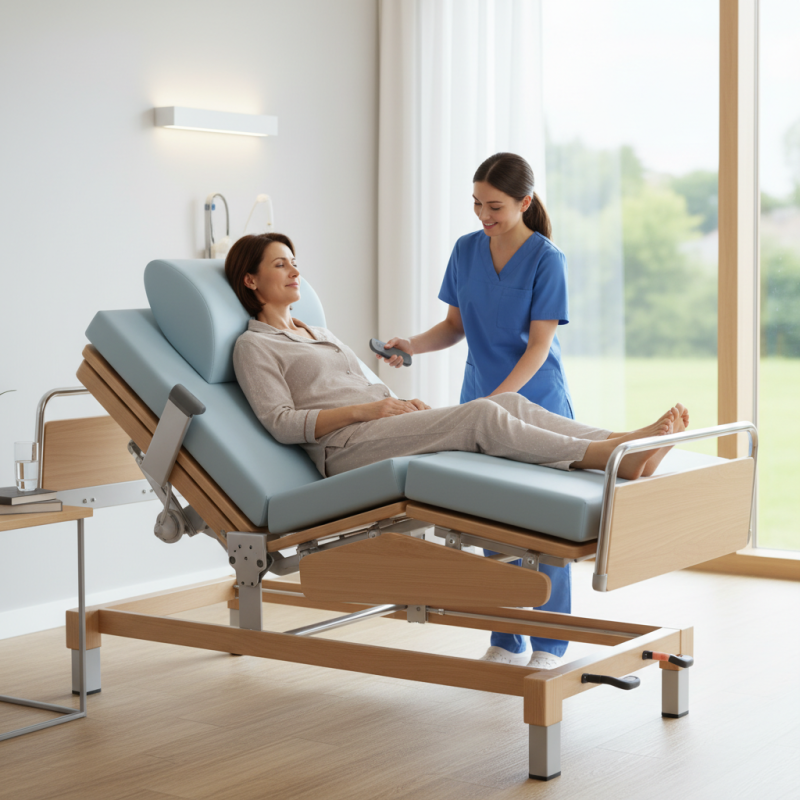
Types of Beds Commonly Used in Rehabilitation Facilities
In rehabilitation facilities, the type of bed can significantly impact a patient’s recovery. One common type is the
adjustable hospital bed. These beds allow patients to change their position easily. This can enhance comfort and facilitate easier access for caregivers.
Adjustable beds help in reducing muscle strain. They are especially beneficial for patients with mobility limitations.
Another popular option is the pressure-relieving mattress. These mattresses are designed to prevent bedsores. They are often used for patients who are bedridden for extended periods.
The materials used in these mattresses can help distribute weight evenly. This feature ensures that patients remain comfortable during long recovery times.
Specialized beds, like zero-gravity beds, are also gaining traction. These beds allow patients to lay in a position that reduces pressure on their spine.
This can alleviate discomfort and promote better sleep. However, not all patients respond favorably to these beds.
Individual preferences and comfort levels can vary significantly. Ensuring the right fit is essential for effective rehabilitation.
Features of Hospital Beds That Aid in Patient Recovery
Hospital beds play a crucial role in patient rehabilitation. Features of these beds directly impact recovery times. Adjustable beds allow for various positions to enhance circulation and reduce pressure sores. A study from the Journal of Rehabilitation Research noted that proper positioning can decrease recovery time by 30%.
Moreover, beds equipped with integrated monitoring systems provide real-time data on vital signs. This technology enhances patient safety and enables quicker responses to any changes in condition. The report by the American Association of Critical-Care Nurses highlights that such features can reduce hospitalization days by an average of two to three days.
Accessibility also matters. Beds should be easy to reach for both patients and caregivers. Well-designed beds minimize the risk of falls or mishaps. Yet, challenges remain. Some facilities might still use older bed models, limiting their patients' recovery potential. Continued investment in modern equipment could yield significant long-term benefits.
Adjustable Beds and Their Benefits for Rehabilitation Patients
Adjustable beds offer significant advantages for rehabilitation patients. Research indicates that comfortable positioning can enhance healing and recovery. A study published by the Journal of Rehabilitation Medicine found that patients using adjustable beds reported a 30% increase in comfort during their recovery process.
These beds allow for customized positions, supporting various needs. Patients can elevate their legs to reduce swelling, or raise their upper body to ease breathing. This adaptability is crucial for enabling patients to engage in therapy more effectively. According to the American Physical Therapy Association, proper positioning promotes better circulation, a key factor in recovery.
Adjustable beds can also mitigate pressure sores. The National Pressure Injury Advisory Panel states that 2.5 million patients develop these injuries annually. Using beds that can be tailored to the patient’s body significantly reduces this risk. However, not all patients adjust to these beds immediately; some may struggle with transitions. Addressing these challenges is essential for ensuring an optimal recovery experience.
Importance of Mattress Quality for Pressure Relief in Recovery
When it comes to rehabilitation, the quality of the mattress plays a crucial role in patient recovery. A well-designed mattress provides essential pressure relief. This is particularly important for patients who are bed-bound or have limited mobility. An unsuitable mattress can lead to discomfort and complications, such as pressure sores.
Selecting the right mattress involves considering materials that promote airflow and support. Memory foam and latex are popular for their ability to contour to the body. They can distribute weight evenly, reducing stress on critical pressure points. However, not all memory foam options are created equal; some retain heat or lack support. Patients may require individualized assessments to determine the best type.
Investing in the correct mattress can seem daunting, and that’s okay. Many patients might feel overwhelmed by the choices. The goal is to achieve comfort and healing. Taking the time to find the right mattress, while an imperfect process, is a vital step in improving recovery outcomes.
Specialized Bed Systems for Specific Rehabilitation Needs
Rehabilitation patients often face unique challenges during their recovery.
Specialized bed systems play a crucial role in addressing these needs.
Adjustable beds are one option that allows patients to modify their positions easily.
This can help reduce pain and prevent pressure ulcers. Additionally, these beds enhance circulation, aiding in faster recovery.
Another essential type is the therapeutic mattress, designed to redistribute pressure.
These mattresses offer better support for patients who are immobilized for long periods.
They can significantly lower the risk of developing pressure sores.
It's vital to choose mattresses that align with specific patient needs,
as not all patients will benefit equally from the same type.
Moreover, some beds come equipped with features like built-in scales or monitoring systems.
These tools can track patient weight and vital signs, providing real-time data to caregivers.
That said, relying too much on technology can sometimes overlook the human aspect of care.
There’s a balance to find between tech and personal touch in rehabilitation.
The key is to tailor the bed system to promote comfort and aid healing.
FAQS
: An adjustable hospital bed allows patients to change their position easily. This enhances comfort and accessibility for caregivers.
These mattresses prevent bedsores by distributing weight evenly. They are crucial for bedridden patients during long recovery times.
A zero-gravity bed reduces pressure on the spine. It can improve sleep, though comfort levels vary by individual.
Features like adjustable positioning can enhance circulation and reduce pressure sores. Proper positioning can decrease recovery time significantly.
Yes, these systems provide real-time data on vital signs. They enable quicker responses to changes in patient conditions.
Accessible beds reduce the risk of falls and mishaps. They also facilitate care from caregivers, which is essential for recovery.
They enhance healing by allowing customized positions. Patients can elevate their legs or upper body to meet specific needs.
These beds can be tailored to fit a patient's body. This customization significantly reduces the risk of pressure injuries.
Some patients may struggle during the transition to these beds. Addressing these difficulties is key for a good recovery experience.
Beds should allow easy accessibility and offer adjustable positioning. Investing in new equipment can greatly benefit patient recovery.
Conclusion
When considering what type of bed is best for rehabilitation patients, various options and features play crucial roles in supporting their recovery. Commonly used beds in rehabilitation facilities include adjustable hospital beds, which allow for optimal positioning that enhances comfort and accessibility for patients. These beds are equipped with features such as height adjustment, head and foot elevation, and side rails to ensure safety and ease of movement.
Moreover, the quality of the mattress is vital for providing pressure relief, which helps prevent bedsores and promotes healing. Specialized bed systems may also be necessary to address specific rehabilitation needs, such as for patients with mobility issues or those requiring advanced therapeutic support. By understanding these bed types and their benefits, caregivers can significantly aid in the recovery process for rehabilitation patients.

 Dgem Medical