Top 5 Benefits of Smart Hospital Furniture for Healthcare Facilities?

Time:2026-05-19 Author:Oliver
0%

In the evolving landscape of healthcare, innovations in hospital furniture play a crucial role. Experts are increasingly focusing on "what are the benefits of smart hospital furniture." One notable voice is Dr. Emily Larson, a healthcare design specialist. She stated, "Smart furniture enhances not just comfort but also efficiency in patient care."

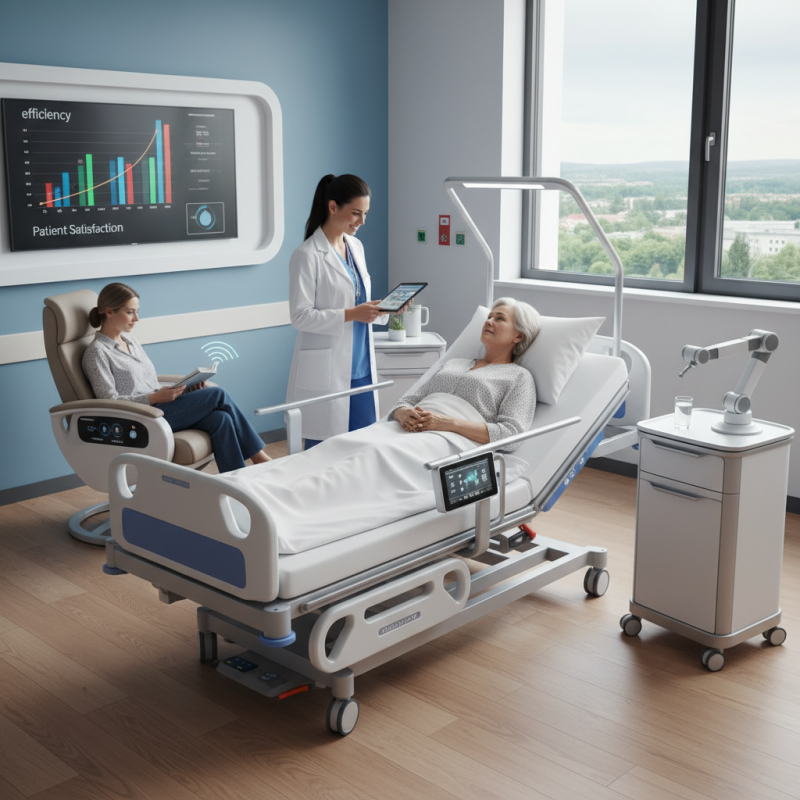
Smart hospital furniture integrates technology to improve patient experiences and streamline operations. It responds dynamically to various needs, making the healthcare environment more adaptable. Features like adjustable beds and intelligent seating not only enhance patient comfort but also empower healthcare staff. Efficiency and patient satisfaction go hand in hand in modern healthcare settings.

Yet, with all these advancements, challenges persist. Implementation costs can be high, and training staff to use new technology takes time. The transition requires thoughtful consideration of existing workflows. It’s essential for facilities to weigh the benefits against these hurdles meticulously. Balancing innovation with practicality is key to successful integration.
Top 5 Benefits of Smart Hospital Furniture for Healthcare Facilities?

Advantages of Smart Hospital Furniture in Enhancing Patient Comfort

Smart hospital furniture plays a vital role in enhancing patient comfort within healthcare facilities. These innovative designs include adjustable beds, ergonomic chairs, and integrated technology. Patients benefit from personalized settings that cater to their specific needs. For instance, adjustable beds allow patients to find the most comfortable sleeping position. Such features significantly reduce discomfort during recovery.

Additionally, smart furniture incorporates technology that can track vital signs. This real-time monitoring provides healthcare providers with crucial data, leading to quicker interventions. Patients feel more at ease knowing they're being actively monitored. Moreover, some pieces offer built-in entertainment options, which can distract and entertain patients, enhancing their overall experience.

However, not all facilities use smart furniture effectively. Some may overlook staff training on these technologies. This can create gaps in utility and diminish potential benefits. It's essential to address these challenges to maximize comfort and care delivery. Even in the most advanced setups, reflection on use and training is crucial for ongoing improvement in patient experience.

Integration of Technology in Smart Hospital Furniture for Efficiency

Smart hospital furniture integrates advanced technology to enhance patient care and streamline hospital operations. This innovative approach transforms traditional healthcare environments into more efficient spaces. For example, beds equipped with sensors can monitor patient vitals in real-time. This data can help staff respond promptly to any changes in condition.

Implementing smart furniture leads to improved workflow. Nurses can see patient status updates on their mobile devices, allowing them to prioritize care. Additionally, automated medication dispensers reduce the risk of errors. This not only strengthens patient safety but also increases staff confidence in their tools.

Tips: Consider the layout of your facility when incorporating smart furniture. Ensure it doesn't create obstacles. Regularly train staff on new technology for maximum effectiveness. Finally, reflect on user feedback from both patients and staff to continually adapt and improve the integration process for optimal outcomes.

Impact of Smart Furniture on Healthcare Staff Workflow and Productivity

The integration of smart hospital furniture significantly enhances the workflow and productivity of healthcare staff. With features like adjustable heights and integrated technology, staff members can tailor their workspace to fit their needs. This adaptability reduces strain and fatigue during long shifts. Improved ergonomics not only boosts comfort but also allows staff to focus better on patient care tasks.

Tips: Use furniture that allows customization. This helps in creating an efficient workspace. Make sure the furniture supports easy access to medical supplies as well.

Smart furniture also enables better communication. For example, integrated screens can display real-time patient data. Staff can monitor vital information without moving around. This instant access to data minimizes interruptions and enhances cooperative efforts among teams. However, adapting to new technology can come with learning curves. Some staff may initially struggle with transitions.

Tips: Provide training sessions for the team on using smart furniture. Continuous education ensures everyone adapts well. Solicit feedback frequently to address any user issues swiftly.

Reducing Hospital Costs Through Smart Furniture Solutions

Smart hospital furniture is more than a trend; it is a pivotal element in reducing operational costs for healthcare facilities. A report by the Healthcare Information and Management Systems Society (HIMSS) highlights that efficient furniture can cut costs by up to 30%. This optimization comes from enhanced space utilization and improved workflow. Hospitals can maximize the functionality of each room by incorporating innovative furniture designs.

Moreover, smart solutions enable better patient monitoring and management. For example, adjustable beds and multifunctional chairs contribute to increased efficiency. A study from the Journal of Healthcare Management indicates that streamlined processes lead to a reduction in patient turnover time by 25%. These factors directly impact overall hospital expenses, as they allow for more optimal staffing and resource allocation.

However, it is essential to recognize that not all furniture systems achieve these efficiencies equally. Some hospitals may struggle to implement smart solutions due to budget constraints or lack of proper training. As a result, facilities can miss out on potential cost savings. Balancing initial investment with long-term gains requires careful consideration. Moreover, not every healthcare provider has adapted to this evolution yet, resulting in uneven implementation across the sector.

Promoting Hygiene and Safety with Smart Hospital Furniture Designs

Smart hospital furniture plays a crucial role in promoting hygiene and safety. Ergonomically designed furniture minimizes physical strain on healthcare workers. These designs often include smooth surfaces that are easy to clean. This reduces the risk of cross-contamination in sensitive environments. Staff can perform their duties more efficiently when their workspace is conducive to hygiene.

Utilizing non-porous materials in furniture construction helps maintain sanitary conditions. Bacteria and viruses cannot easily thrive on these surfaces. Many designs also feature antibacterial coatings, adding an extra layer of protection. Visual appeal combines with functionality, creating an atmosphere of comfort. However, challenges can arise when integrating technology into these designs. Balancing aesthetics and practicality is essential but requires ongoing adjustments. The ideal design is not always achievable.

Regular feedback from healthcare professionals is vital to optimize furniture use. Their insights can lead to better designs that meet safety and hygiene standards. Investing in smart hospital furniture is a step towards enhanced care. Yet, it demands continual reflection and improvement to address evolving healthcare needs.

Top 5 Benefits of Smart Hospital Furniture for Healthcare Facilities

Benefit Description Impact on Patient Care
Enhanced Hygiene Smart materials that are easy to clean and resistant to pathogens. Reduces infection rates and promotes a healthier environment.
Increased Safety Ergonomically designed furniture that minimizes the risk of injuries. Improves overall patient safety and comfort during procedures.
Patient Monitoring Integration of technology that allows for real-time health monitoring. Facilitates timely interventions and promotes better health outcomes.
Space Optimization Flexible designs that maximize space utilization in limited areas. Enhances functionality within healthcare settings.
Patient Engagement Interactive furniture that encourages patient participation in their care. Improves satisfaction and compliance with treatment plans.

FAQS

: What are the benefits of smart hospital furniture?

: Smart hospital furniture enhances patient comfort with adjustable beds and ergonomic chairs. It also includes integrated technology for monitoring.

How does smart furniture improve patient monitoring?

Smart furniture tracks vital signs in real-time, aiding quick interventions and providing patients peace of mind.

What challenges do facilities face with smart furniture?

Some facilities overlook staff training, leading to gaps in utility. This diminishes the potential benefits of smart furniture.

How can smart furniture impact healthcare staff productivity?

Smart furniture reduces strain by allowing customization. Ergonomic designs help staff focus better on patient care.

What tips can improve workspace efficiency with smart furniture?

Use customizable furniture and ensure easy access to medical supplies. This can create a more efficient workspace.

Can smart furniture help reduce hospital costs?

Yes, it can cut costs by improving space utilization and workflow. Some studies suggest up to 30% savings.

Why might some hospitals struggle with implementing smart furniture?

Budget constraints and lack of training can limit effective implementation and reduce potential cost savings.

How can healthcare staff adapt to new smart furniture technology?

Providing training sessions and soliciting feedback can help staff adapt better to the new technology.

What is a common drawback of smart hospital furniture?

Not all furniture systems are equally efficient, resulting in varied implementations across different facilities.

How can facilities maximize the benefits of smart furniture?

Continuous reflection on usage and ongoing education for staff can maximize patient comfort and care delivery.

Conclusion

Smart hospital furniture offers a range of benefits that significantly enhance the functionality and environment of healthcare facilities. One of the key advantages is its ability to improve patient comfort, which can lead to better recovery outcomes. Additionally, the integration of technology within smart furniture enhances operational efficiency, allowing for seamless data access and interaction. This technological infusion also positively influences healthcare staff workflows, increasing productivity and reducing the time spent on routine tasks.

Furthermore, smart hospital furniture contributes to cost reduction through its durability and adaptability to various healthcare needs, minimizing waste and the need for frequent replacements. Lastly, these innovative designs prioritize hygiene and safety, utilizing materials and features that meet infection control standards. Overall, understanding what are the benefits of smart hospital furniture reveals its transformative potential in creating a more effective and safe healthcare environment.

Oliver

Oliver

Oliver is a seasoned marketing professional with a wealth of expertise in driving brand awareness and engagement. With a deep understanding of our company's product offerings, he consistently delivers high-quality content that enriches our professional blog. His insights not only shed light on......