A hospital bed is more than a place to rest. Its brakes, side rails, mattress, and height controls affect patients and staff throughout each shift. When wheels resist turning or mattress seams split, small problems can disrupt care. So, why do healthcare facilities upgrade their beds regularly? The answer involves safety, comfort, infection prevention, and daily workflow.
Florence Nightingale, a pioneer of modern nursing and hospital design, wrote, “The very first requirement in a hospital is that it should do the sick no harm.” That principle remains relevant. Beds with suitable adjustment features can help staff reposition patients and support safer transfers. Cleanable surfaces and well-maintained mattresses also make routine care easier. But equipment alone cannot prevent every fall or pressure injury; training and consistent care matter, too.
Upgrades may also address practical details: quieter motors, reliable brakes, easier-to-clean frames, and controls patients can reach. These changes can reduce avoidable strain on caregivers and improve the experience of people spending long hours in bed. Not every facility needs the newest model. Still, keeping worn equipment indefinitely can carry its own costs. The right choice depends on patient needs, maintenance records, staff feedback, and a realistic budget. The following seven reasons explain why regular bed upgrades can support safer, more dependable care.
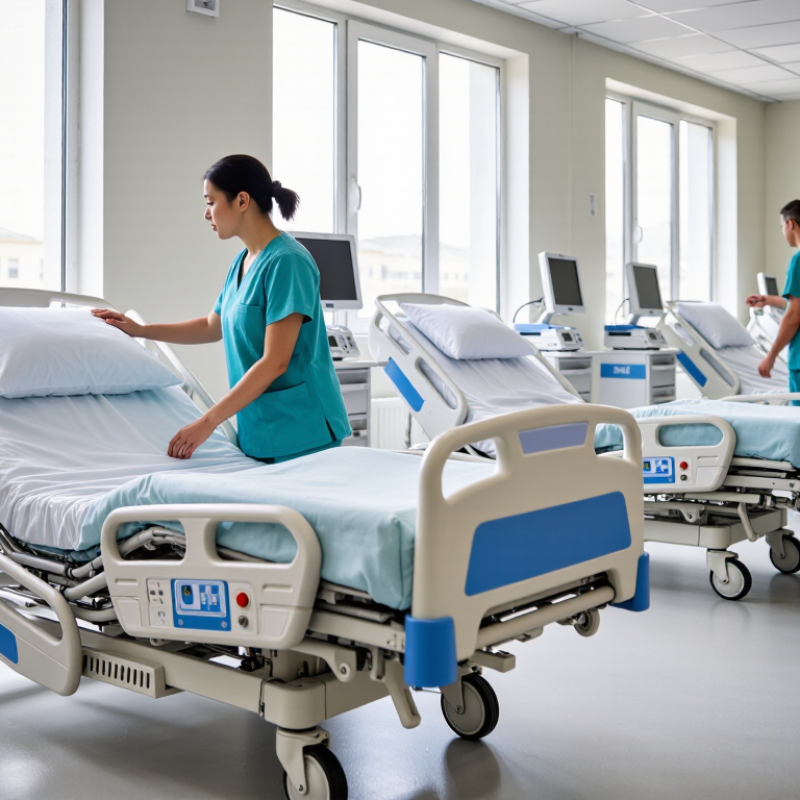
Patient Safety and Clinical Care Requirements
A hospital bed is part of the care environment, not just a place to rest. AHRQ’s Preventing Pressure Ulcers in Hospitals guide estimates that about 2.5 million people develop pressure injuries in U.S. acute-care settings each year. Upgraded beds can support repositioning with adjustable sections and compatible pressure-redistribution surfaces. They can also lower close to the floor, making transfers easier for some patients. But equipment alone does not prevent injury. Staff assessment and regular repositioning still matter.
Clinical needs vary across a shift. A nurse may need to raise the bed for wound care, lower it before a patient stands, or quickly position someone for urgent treatment. Clear controls, stable brakes, accessible rails, and usable exit alarms can help staff respond safely. AHRQ also cautions that prevention requires a coordinated approach, rather than reliance on a single device. Alarms can become background noise. That deserves attention.
Tips: Before selecting beds, observe real workflows: a transfer, a linen change, and an emergency response. Check mattress compatibility, control visibility, cleaning access, and alarm settings with frontline staff. Track falls, pressure injuries, and maintenance issues after installation; early feedback may reveal problems the procurement checklist missed.
| Reason | Patient safety or clinical need | Useful upgrade features | Practical verification |
|---|---|---|---|
| 1. Reduce fall-related hazards | Falls can cause injury, and bed height, transfers, and patient mobility all affect fall risk. Bed alarms may support monitoring but do not prevent falls on their own. | Low-height positioning, easy-to-use controls, stable brakes, and bed-exit alerts when appropriate to the patient’s care plan. | Test brake function and alarm settings; assess bed height and transfer needs for the individual patient. Use alarms alongside a broader fall-prevention plan. |
| 2. Support pressure-injury prevention | Limited mobility and prolonged pressure can contribute to pressure injuries. A bed surface is one part of prevention, alongside repositioning and skin assessment. | Pressure-redistributing mattress options, compatible positioning accessories, and controls that help staff adjust the bed for care. | Match the surface to the patient’s assessed risk and clinical needs. Check mattress condition and follow the facility’s inspection and replacement procedures. |
| 3. Improve safe patient handling | Repositioning and transfers can place physical demands on staff and patients. Appropriate bed adjustment can support safer handling practices. | Powered height adjustment, accessible controls, and compatible transfer or lateral-movement equipment. | Confirm that the bed works with the facility’s handling equipment and staff procedures; inspect controls and movement functions routinely. |
| 4. Enable timely repositioning and care | Clinical care may require changes in patient position. Adjustable positioning can help staff provide care and accommodate an individual treatment plan. | Adjustable head and foot sections, clear position controls, and reliable movement through the intended range. | Verify that functions operate correctly and that positioning is used according to the patient’s care plan and clinical precautions. |
| 5. Address side-rail and entrapment risks | Bed rails can create entrapment or injury hazards for some patients. They should not be treated as a substitute for individualized assessment or used automatically. | Bed and mattress components designed to fit together, secure rail mechanisms, and configurations that support an individualized safety assessment. | Check for gaps, loose parts, and incompatible mattress or rail combinations. Follow current FDA guidance and facility policy when assessing rail use. |
| 6. Support infection prevention and cleaning | High-touch bed surfaces require effective cleaning and disinfection. Damaged surfaces or hard-to-clean areas can make routine cleaning more difficult. | Durable, smooth surfaces; accessible components; and materials compatible with the facility’s approved cleaning and disinfection products. | Follow product instructions and facility infection-prevention protocols. Inspect surfaces for cracks, tears, or damage that may hinder cleaning. |
| 7. Improve fit, reliability, and equipment readiness | Patients have different mobility and body-size needs, while unavailable or malfunctioning beds can disrupt care and transfers. | Appropriate bed-size and weight-capacity options, clear capacity labeling, dependable controls, and serviceable components. | Confirm the bed’s rated capacity and compatibility with the intended patient and accessories. Maintain inspection, preventive-maintenance, and repair records. |
| Note: Bed selection and use should be based on patient assessment, manufacturer instructions, applicable regulations, and facility policies. Bed features complement—not replace—clinical judgment and established safety practices. | |||
Adjustable sections and compatible pressure-redistribution surfaces can support repositioning. Staff assessment and regular repositioning still matter.
No. Equipment is only one part of prevention. Care routines matter.
A bed that lowers near the floor may make transfers easier for some patients. Stable brakes and accessible rails also help.
Observe transfers, linen changes, and emergency responses. Check mattress fit, control visibility, cleaning access, and alarm settings.
Raising the work surface can reduce repeated bending during dressing changes or repositioning. Even a few inches matter.
Clear space around the bed supports access. Reliable wheel locks and easy-to-find controls help, too.
Not always. Alarms can blend into background noise, so settings and staff response need attention.
Track falls, pressure injuries, and maintenance issues. Ask frontline staff for feedback; a checklist may still miss problems.
No. Patient needs, room layouts, and cleaning routines differ. We may still overlook something.
Healthcare facilities upgrade beds to support safer, more effective care and meet changing patient needs. Features such as adjustable positions, secure side rails, and accessible controls can help reduce falls and make clinical tasks easier. Improved comfort and positioning can also protect patient dignity, support rest, and aid recovery. These benefits help explain why do healthcare facilities upgrade their beds regularly: reliable beds are central to both the patient experience and the daily delivery of care.
Modern beds can also reduce physical strain on caregivers by making transfers and bedside procedures easier. Updated controls and connectivity may streamline routine tasks and help staff respond efficiently. When older equipment becomes difficult to maintain or costly to repair, replacement can improve reliability and manage long-term operating costs. Together, these practical gains make bed upgrades an important investment in patient safety, caregiver well-being, and efficient facility operations.

 Dgem Medical